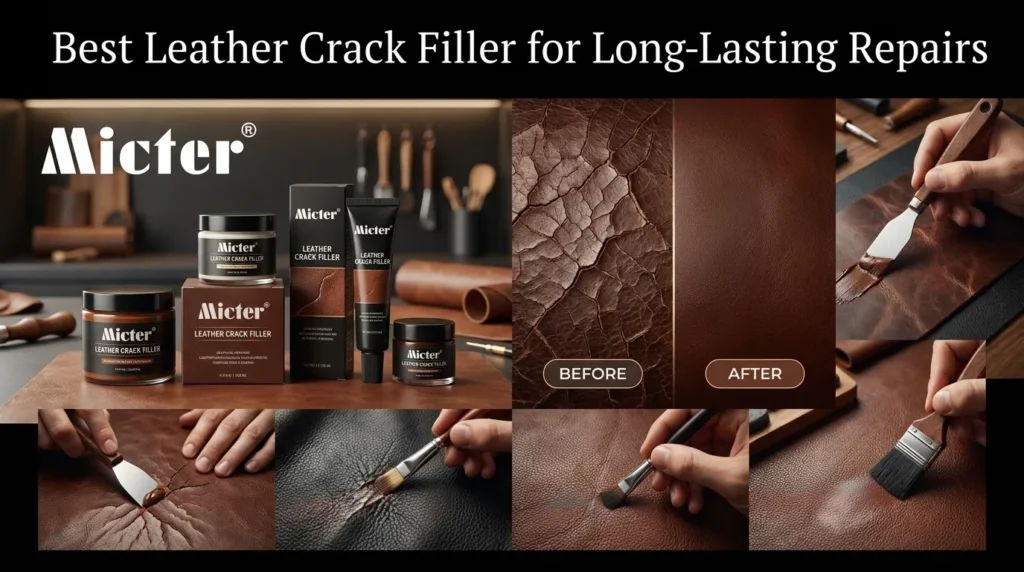
Are you tired of watching your premium leather furniture lose its luster to unsightly cracks? Selecting the Best Leather Crack Filler for Long-Lasting Repairs is the single most important step in restoring your leather to its former glory.
I’ve spent years testing leather repair products, and I know that a seamless repair requires more than just a quick fix—it requires durability and flexibility. In this guide, I’m sharing the professional secrets and leather restoration supplies that actually work. Whether you\’re a DIY enthusiast or a professional restorer, you’re about to learn how to achieve a permanent leather repair that stands the test of time.
Let’s get to work.
Why Does Leather Crack?
We’ve all seen it happen: that favorite leather sofa or car seat starts showing fine lines that eventually turn into deep, ugly gaps. Understanding why leather fails is the first step toward choosing the best leather crack filler for long-lasting repairs. Leather is a biological material; it needs moisture and flexibility to stay intact. When it loses those properties, the structure begins to fail.
Main Causes of Leather Cracks
Leather doesn\’t just break overnight. It’s usually a combination of environmental factors and neglect:
- Loss of Natural Oils: As leather ages, the internal lubricants evaporate, causing fibers to become brittle and snap under pressure.
- Temperature Extremes: Constant shifting between heat and cold causes the hide to expand and contract, leading to surface fatigue.
- Low Humidity: Dry air sucks the moisture out of the leather, making it \”stiff\” and prone to spider-webbing.
- Mechanical Wear: Repeated friction from sitting or moving creates localized stress points where cracks form first.
Common Types of Leather Damage
Identifying the damage early helps you apply the right fix before the hide is beyond saving:
- Hairline Surface Cracks: Light, web-like fractures in the finish.
- Deep Fissures: Cracks that have penetrated through the grain layer.
- Peeling and Flaking: Where the top coating separates from the underlying fibers.
Why You Must Act Fast
Ignoring a small crack is a recipe for a total tear. Once the surface integrity is compromised, dirt and body oils seep into the inner fibers, causing them to rot from the inside out. By using a high-quality leather crack filler at the first sign of trouble, you seal the \”wound,\” prevent the crack from spreading, and maintain the structural value of your investment. Early intervention is the difference between a simple 10-minute touch-up and an expensive professional upholstery job.
Key Features of the Best Leather Crack Filler for Long-Lasting Repairs
When selecting the best leather crack filler for long-lasting repairs, I focus on how the product handles movement. Leather is a dynamic material; it breathes, stretches, and compresses. If a filler is too rigid, it will inevitably fail. To achieve a professional-grade restoration, the filler must possess specific physical properties that allow it to become part of the leather itself.
Essential Performance Criteria
| Feature | Importance for Longevity |
|---|---|
| Flexibility | Prevents the repair from popping out when the leather flexes. |
| Sandability | Ensures a flush, invisible transition between the filler and the hide. |
| Adhesion | Provides a permanent bond to the internal fibers of the leather. |
| Color Compatibility | Allows dyes and paints to adhere without peeling or flaking. |
High Flexibility and Elasticity
A long-lasting leather filler must act like a durable leather repair resin. It needs high elasticity to withstand the constant pressure of someone sitting on a sofa or the temperature fluctuations inside a vehicle. Without this \”memory\” in the formula, the filler will crack or delaminate under stress.
Sanding and Smoothing Capabilities
For a seamless finish, a sandable leather crack filler is mandatory. Once the product cures, you must be able to level it with fine-grit sandpaper without the filler gumming up or tearing. Using a high-quality leather repair gel ensures that the surface remains smooth and ready for the graining and coloring stages.
Durability Against Environmental Factors
- Heat Resistance: The filler should not soften or become tacky in direct sunlight or high-traffic areas.
- Non-Toxic Formulation: I prioritize safe, water-based formulas that are odorless and skin-safe for home use.
- Wear Resistance: The repair must hold up against daily friction and the application of standard leather conditioners.
Choosing a flexible leather filler for furniture that meets these standards ensures that you only have to do the job once. Compatibility with various leather types—from top-grain to synthetic—makes the repair process predictable and reliable.
Types of Leather Crack Fillers and Their Benefits
Choosing the right product is the difference between a repair that lasts years and one that peels off in weeks. I categorize fillers based on their chemical composition and how they react to movement. For most high-traffic items, a flexible resin is the best leather crack filler because it bonds to the fibers while remaining elastic.
Flexible Resin Fillers: The Professional Standard
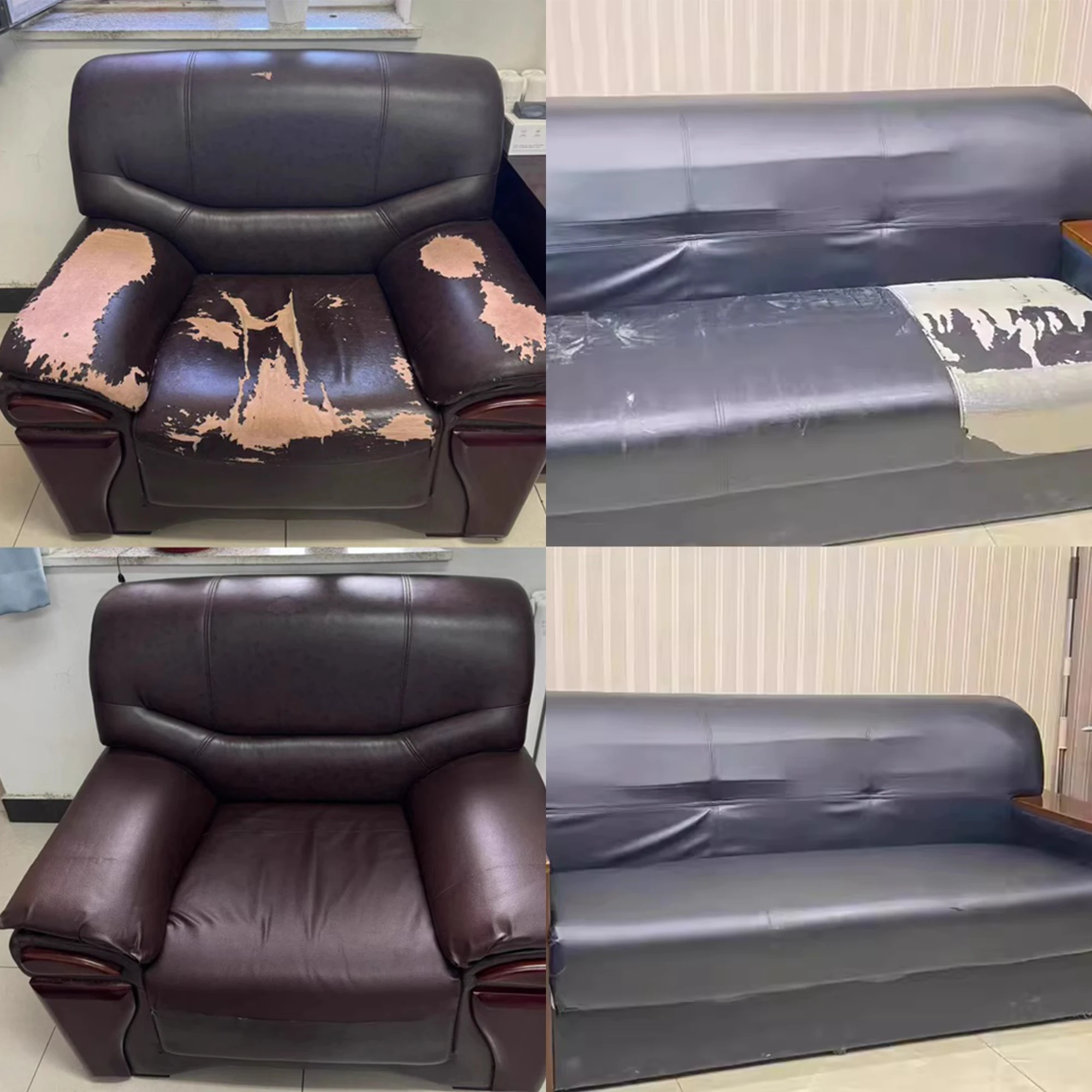
I highly recommend flexible resin fillers for any surface that needs to bend. These are specifically engineered to move with the hide, making them the top choice for furniture restoration and automotive interiors. When you repair cracked leather car seats, using a resin-based product ensures the filler won\’t pop out under the pressure of someone sitting down.
- Seamless Appearance: Dries clear or matte to mimic the natural leather texture.
- High Elasticity: Prevents new cracks from forming around the repair site.
- Versatility: Works equally well on soft garment leather and heavy-duty upholstery.
Comparing Filler Types for Long-Lasting Repairs
| Filler Type | Best Use Case | Key Benefits |
|---|---|---|
| Flexible Resin | Car seats, sofas, and jackets | Maximum elasticity and durability |
| Cement-Based | Stiff leather goods or deep gouges | High build-up and structural support |
| Sandable Filler | Fine surface cracks and scuffs | Can be leveled for a perfectly flat finish |
Cement-Based and Sandable Fillers
While resin is my go-to for flexibility, cement-based fillers are useful for deep holes that need a \”plug.\” However, they lack the stretch of resins and can be prone to cracking if used on soft cushions.
For a truly professional look, sandable leather crack fillers are essential. These allow you to level the surface after the product has cured. Once you repair leather furniture using a sandable filler, you can apply colorants directly over the patch. This sanding leather process creates a flush surface that makes the original damage completely invisible to the naked eye. These color-adaptable fillers are designed to absorb dyes and pigments, ensuring the repair blends naturally with the surrounding area.
Picking the Best Leather Crack Filler for Your Project
Choosing the right product is the difference between a repair that lasts years and one that peels off in weeks. I’ve found that the best leather crack filler for long-lasting repairs must balance bond strength with extreme flexibility. If the filler is too stiff, it will simply pop out the moment someone sits on the furniture.
Key Factors to Consider
When selecting a long-lasting leather filler, focus on these specific criteria to ensure a professional-grade result:
| Factor | Why It Matters |
|---|---|
| Leather Type | Different leathers (aniline, pigmented, or faux) react differently to chemicals. |
| Crack Severity | Deep gouges require high-build resins, while surface \”crazing\” needs a thin, flowable filler. |
| Flexibility | For seating and automotive bolsters, the filler must move with the hide. |
| Sandability | A sandable filler allows you to level the surface for a seamless, invisible repair. |
Assessing the Damage and Compatibility
Before you start, look at the size and depth of the damage. If the crack has turned into a full-blown puncture, you may need to repair a hole in leather using a sub-patch before applying your filler.
- Color Matching: I always recommend using a filler that is either neutral or slightly lighter than the leather, as it\’s easier to tint over.
- Application Process: Look for products that don\’t require complex heat tools unless you are a seasoned pro. Air-dry flexible resins are generally more user-friendly for DIYers and professionals alike.
- Durability: Ensure the product is resistant to heat and moisture, especially for automotive leather crack repair where temperatures fluctuate wildly.
Pro Tip: Always perform a \”patch test\” on a hidden area. Apply a small amount of the leather crack filler, let it dry completely, and check if it maintains its bond when the leather is flexed. This prevents any unexpected reactions with the leather\’s original finish.
Step-by-Step Guide to Repairing Leather Cracks
I have found that achieving a professional result depends entirely on the preparation and the technique used during application. Using the best leather crack filler for long-lasting repairs requires a disciplined approach to ensure the bond is permanent and the finish is invisible.
Preparing the Leather Surface
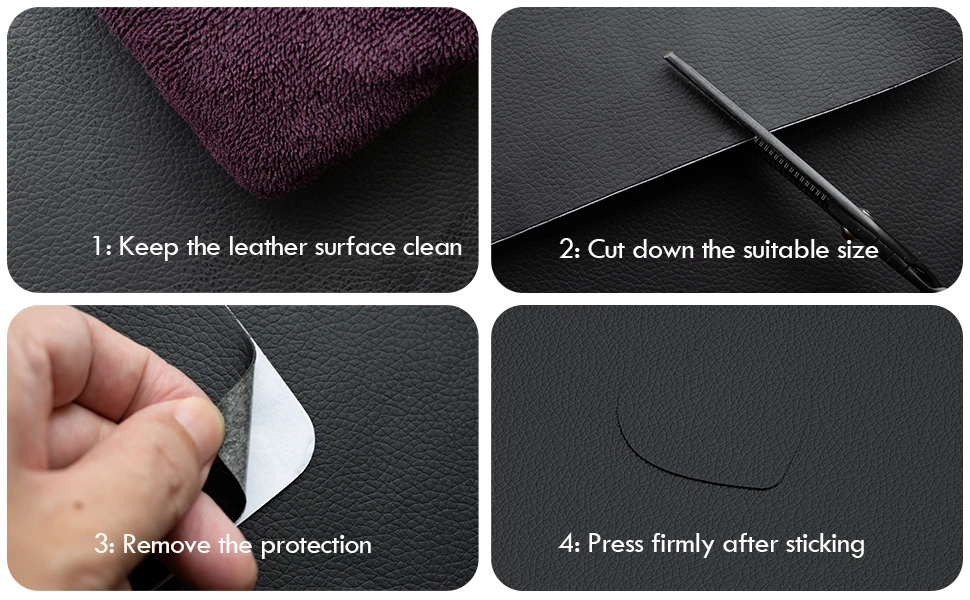
Before opening your leather crack repair kit, the surface must be spotless. I always start by cleaning the area with a high-quality leather cleaner to remove body oils, dust, and old conditioners.
- Cleaning: Use a lint-free cloth; any residue left behind will cause the filler to peel.
- Sanding: I recommend a light sanding leather session with 600-grit sandpaper. This creates a slightly textured surface that helps the filler \”grip\” the fibers.
- Drying: Ensure the leather is completely dry before proceeding.
Applying the Crack Filler
The application process varies depending on the severity of the damage. If you are working on a vehicle interior, understanding the nuances of car leather seat repair can help you decide how much product to use.
- Tools: Use a flexible palette knife or a plastic spreader for a smooth application.
- Shallow Cracks: Apply a thin layer of long-lasting leather filler and level it off immediately.
- Deep Cracks: Do not fill them in one go. Apply thin layers, allowing each to dry, to prevent the product from shrinking or bubbling.
Sanding and Smoothing the Repair
Once the filler has cured, it usually sits slightly higher than the leather surface. I use fine-grit sandpaper to gently level the repair until it is flush. This step is vital for a \”flat\” finish that doesn\’t feel like a patch. If you are dealing with more than just cracks, such as punctures, you may need to repair a tear in a leather car seat using a sub-patch before applying the final filler layers.
Coloring and Final Curing
The final stage of leather crack filler application tips involves blending.
- Color Matching: Apply a leather colorant in thin coats using a sponge or airbrush.
- Finishing: Apply a leather sealer or topcoat to match the original sheen (matte, satin, or gloss).
- Curing Time: I advise letting the repair cure for at least 24 hours. Avoid sitting on the furniture or driving the vehicle during this window to ensure the filler reaches its maximum flexibility and strength.
Top Leather Crack Fillers in the Market
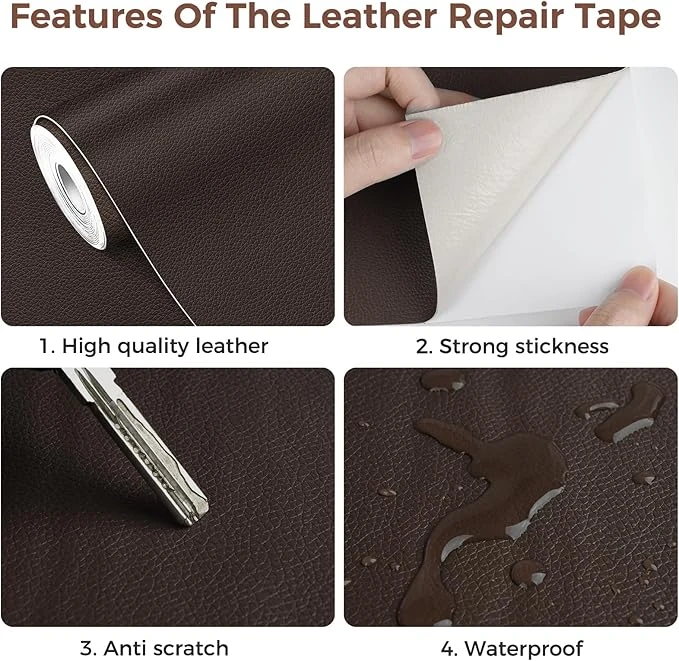
When searching for the best leather crack filler for long-lasting repairs, I focus on products that balance structural integrity with natural movement. Not all fillers are created equal; some are designed for rigid surfaces, while others are engineered specifically for the high-flex environment of leather furniture and automotive seating.
Selection Criteria for High-Quality Fillers
To identify a professional-grade filler, I evaluate products based on four critical performance pillars:
- Bonding Strength: The filler must penetrate the leather fibers rather than just sitting on top.
- Elasticity: It must withstand thousands of compressions without cracking or delaminating.
- Sandability: A top-tier sandable leather crack filler allows for a perfectly flush finish that mimics the original leather texture.
- Chemical Stability: The formula should not react poorly with leather dyes or topcoats during the refinishing stage.
Mitcer Flexible Leather Crack Filler Overview
Our Mitcer Flexible Leather Crack Filler is the cornerstone of our leather restoration supplies. We developed this durable leather repair resin to address the common failure points of standard hardware store putties. It features a high-solid content that minimizes shrinkage while maintaining a \”memory\” for its shape, making it ideal for deep cracks in high-traffic areas like sofa armrests and driver-side bolsters. For comprehensive restoration projects, integrating this filler with a leather couch patch kit ensures that even structural damage is reinforced before the aesthetic filling begins.
Comparative Features and Best Use Cases
| Filler Type | Best Use Case | Key Benefit |
|---|---|---|
| Mitcer Flexible Resin | Cracks, surface scuffs, and creases | Superior flexibility and seamless blending |
| Heavy-Duty Mastic | Deep gouges and holes | High build-up and structural filling |
| Air-Dry Putty | Minor cosmetic scratches | Quick drying time for fast turnarounds |
| Heat-Cure Fillers | Vinyl and specific automotive plastics | Extremely tough finish once cured |
Customer Reviews and Expert Testimonials
Professional upholstery technicians consistently rate our flexible leather filler for furniture as a top choice because of its ease of use. Feedback from our bulk buyers highlights that the sandability of our resin significantly reduces the time spent on surface preparation. One expert testimonial noted that \”the Mitcer filler remains supple even after six months of heavy use on a commercial lounge chair,\” which speaks to the long-term durability we prioritize. While other products might offer a quick fix, our focus remains on providing a long-lasting leather filler that prevents the recurrence of damage, ensuring your furniture restoration stands the test of time.
Maintenance Tips for Long-Lasting Leather Repairs
Once you have applied a filler, the work isn\’t quite over. Proper maintenance is the secret to ensuring your leather stays smooth and the repair remains invisible. I have found that a repair is only as good as the care it receives afterward; neglecting the surface will eventually lead to the leather drying out around the patch.
Regular Cleaning and Conditioning
Leather is a natural material that needs to stay hydrated. If the leather surrounding the repair dries out, it will shrink and pull away from the filler, causing new cracks to form.
- Condition Monthly: Use a pH-balanced leather conditioner to keep the fibers supple and prevent the edges of the repair from becoming brittle.
- Gentle Cleaning: Avoid harsh chemicals or alcohol-based cleaners that can dissolve the finish of your best leather crack filler for long-lasting repairs.
- Consistency: A quick wipe-down with a damp microfiber cloth once a week prevents dust from abrading the repaired surface.
Environmental Protection
The environment is the biggest enemy of leather longevity. Heat and moisture can compromise the bond of even the most durable resins.
- Avoid Direct Sunlight: UV rays fade color and dry out the leather. Keep furniture away from windows or use UV-protective blinds.
- Control Heat Sources: Never place leather items directly next to radiators or heaters, as this makes the leather brittle and prone to shrinking.
- Manage Humidity: Excessive moisture can lead to mold, while too little causes cracking. Using a high-quality vinyl and leather repair kit helps seal the damage, but maintaining stable room humidity is essential for the long haul.
Proper Handling of Repaired Areas
While modern fillers are incredibly flexible, they still have limits. Treat the repaired area with extra care, especially in high-traffic spots like sofa cushions or automotive seats.
- Avoid Sharp Objects: Keep keys, studs, and pet claws away from the repaired surface to prevent punctures.
- Distribute Weight: Try not to put concentrated, heavy pressure on the exact spot of the repair for extended periods immediately after the curing process.
- Routine Inspections: Inspect the repair every few months. If you notice any slight lifting or wear, applying a small amount of leather repair gel can fix the issue before it becomes a major problem again.
Why Choose Mitcer for Leather Repair Products
We take leather restoration seriously. At Mitcer, we don\’t just sell fillers; we provide professional-grade solutions designed to withstand real-world wear and tear. Whether you are a DIY enthusiast fixing a family heirloom or a business owner looking for leather repair products wholesale, our catalog is built on a foundation of quality and innovation.
Our Core Advantages
| Feature | Benefit to You |
|---|---|
| Innovative Formulas | High-performance flexible resin that moves with the leather to prevent re-cracking. |
| Versatile Range | Solutions tailored for furniture restoration, automotive interiors, and luxury accessories. |
| Flexible Ordering | Seamless options for individual retail kits or large-scale bulk wholesale orders. |
| Expert Support | Direct access to technical advice and professional guidance for complex repairs. |
Commitment to Longevity
Our focus is always on the long-term health of your leather goods. We develop products like our comprehensive leather sofa repair kit to ensure that once a crack is filled, it stays filled regardless of daily use. By combining high-grade chemistry with user-friendly application methods, we help you achieve a factory-finish look at home.
For those who require a complete setup for professional results, we offer a specialized leather working tools kit to ensure every step—from cleaning to sanding—is handled with precision. We are committed to being your reliable partner in leather care, offering the best leather crack filler and technical support in the global market.
Frequently Asked Questions About Leather Crack Repair
How long does a leather crack repair last?
When you use the best leather crack filler for long-lasting repairs, the fix can last for several years. Our flexible resin formulas are engineered to move and stretch with the material, preventing the filler from popping out or cracking under daily use. Maintaining the area with a quality conditioner after the repair will further extend its lifespan.
Can crack fillers be used on all types of leather?
Most fillers are designed for finished, pigmented, and bicast leathers. They are highly effective for repairing leather couch holes or automotive seats. However, I do not recommend using them on suede or nubuck, as the filler will change the natural nap and texture of those specific materials.
Is sanding necessary after applying crack filler?
Yes, it is a vital step. Sanding leather after the filler has fully cured ensures the surface is perfectly flush with the surrounding area. I suggest using fine-grit sandpaper (400 to 600 grit) to smooth out any high spots, creating a seamless foundation for the final color application.
How do I color match the repaired area?
To get a perfect blend, use a dedicated leather colorant that matches your original shade. Apply the color in thin, dabbing layers rather than one thick coat. If you have a unique shade, you can mix primary-colored tints to reach the exact tone. Always test your mix on a hidden spot before applying it to the center of the repair.
When is professional repair recommended?
If the leather is physically crumbling or the internal structure of the furniture is compromised, a professional might be needed. However, for the vast majority of surface issues, including leather couch cat scratch repair, our high-quality fillers provide a professional-grade finish that you can easily achieve at home.