
The Health Factor: Breathing Easier at Home
When you think about home safety, you likely focus on fire alarms or secure locks, but the air you breathe is just as critical. I’ve found that many homeowners overlook the impact of traditional cleaners on indoor air quality. Standard leather products often rely on Volatile Organic Compounds (VOCs)—gases that linger in your living room long after the scent of \”new leather\” fades. Transitioning to VOC-free formulas isn\’t just a preference; it’s a necessity for maintaining a healthy household.
The Hidden Danger of Chemical Residues
Traditional solvents don’t just disappear; they leave behind invisible residues that can compromise your family’s well-being.
- Respiratory Triggers: Harsh fumes can irritate the lungs, posing a risk to those with asthma or allergies.
- Skin Sensitivities: Because leather is a porous material, it holds onto chemicals that transfer to your skin upon contact.
- Hypoallergenic Care: By choosing non-toxic leather care, you eliminate the synthetic triggers that cause unexplained rashes or discomfort.
Creating Safe \”Crawl-Zones\”
Your sofa isn\’t just furniture; for toddlers and pets, it’s a playground. They spend the most time in direct contact with upholstery, often pressing their faces or paws against the grain. Why non-toxic leather care is essential for your home becomes clear when you consider these \”crawl-zones.\”
- Pet-Safe Upholstery Care: Dogs and cats lick their fur after resting on furniture, making chemical-free surfaces vital to prevent ingestion of toxins.
- Child-Friendly Environments: Eliminating petroleum distillates ensures that the smallest members of your family aren\’t exposed to endocrine disruptors during playtime.
Prioritizing skin-safe ingredients ensures your home remains a sanctuary, not a source of environmental stress. Moving toward a cleaner standard of maintenance is the most direct way to protect your loved ones while preserving your investment.
Harsh Chemicals: The Real \”Leather Killers\”
I’ve seen countless high-quality sofas and chairs ruined by the very products marketed to \”protect\” them. Most traditional cleaners rely on alcohol-based formulas and high-pH solvents. While they remove surface grime quickly, they also strip away the natural oils required for proper leather fiber hydration. This leaves the material vulnerable and shortens its lifespan significantly.
Breaking the Clean-Dry-Crack Cycle
Traditional maintenance often traps homeowners in a destructive loop. When you use harsh detergents, the leather undergoes a predictable decline:
- The Strip: The cleaner removes dirt but aggressively dissolves the leather’s internal lubricants.
- The Dry: Without those oils, the organic fibers become brittle, stiff, and lose their elasticity.
- The Crack: Daily use creates physical stress, leading to unsightly surface splits and peeling.
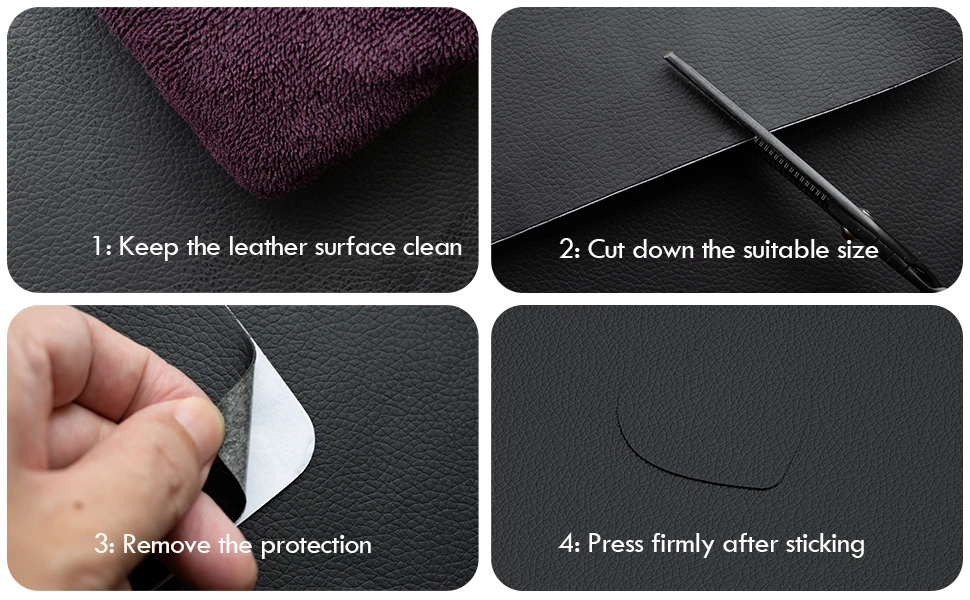
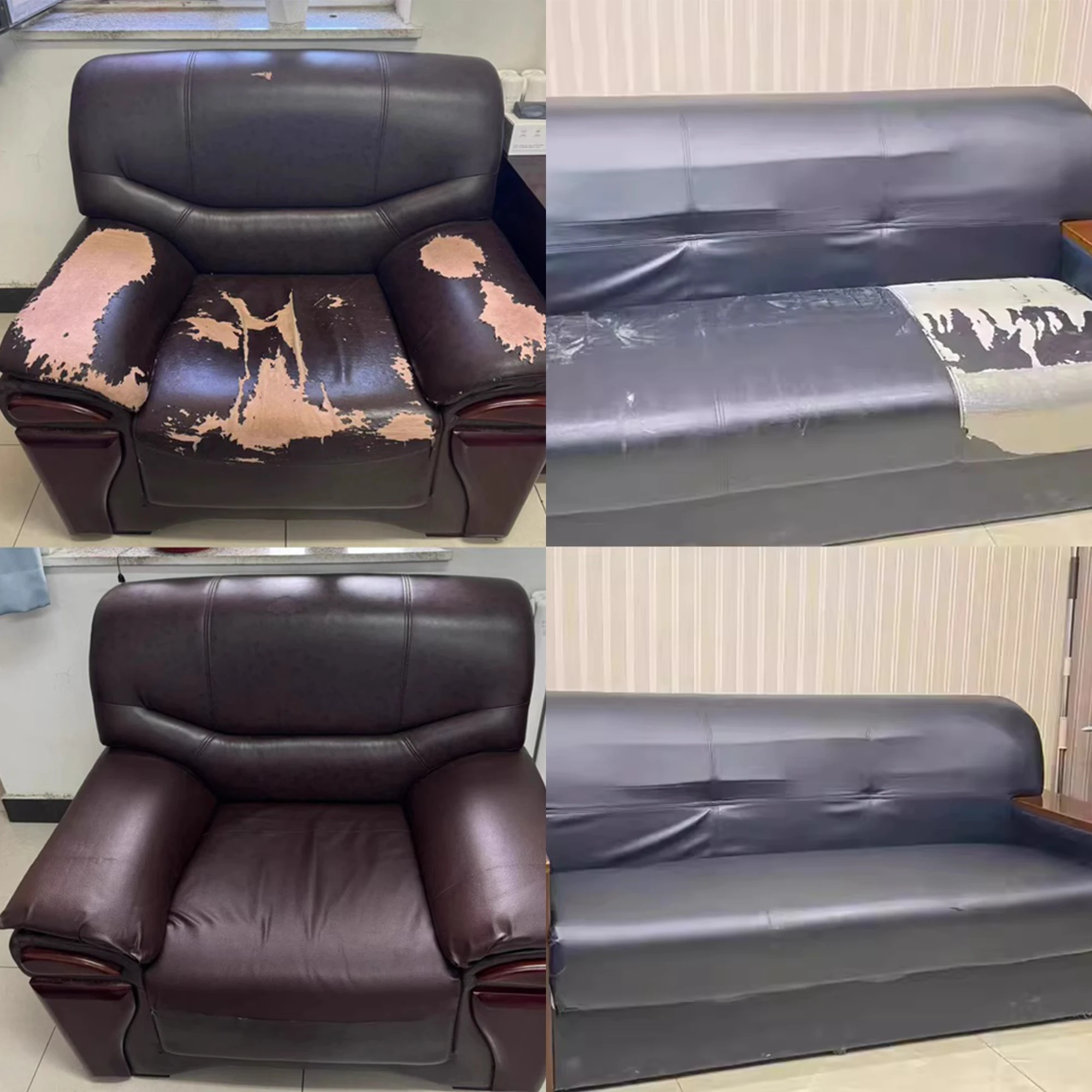
If your upholstery has already suffered from this chemical exhaustion, a leather couch patch kit can help stabilize the damage and restore the look of your furniture.
The Advantage of Plant-Derived Surfactants
We advocate for non-toxic leather care because it works with the material, not against it. By utilizing plant-derived surfactants, we can lift oils and salt from the surface while maintaining a pH-balanced leather cleaner environment. This method ensures chemical-free preservation, keeping the leather supple and preventing the structural breakdown caused by synthetic solvents. It’s the difference between merely \”washing\” a surface and truly nourishing it.
Sustainable Leather Longevity and Your Environmental Footprint
Every choice I make for my home has an echo in the natural world. Traditional leather cleaners often rely on synthetic phosphates and harsh solvents. When these chemicals are wiped away or disposed of, they eventually enter our local waterways, contributing to water pollution and harming aquatic life. Transitioning to non-toxic leather care is a direct way to mitigate this hidden environmental cost.
The Power of Biodegradable Ingredients
I prioritize products formulated with biodegradable ingredients because they break down naturally without leaving a permanent chemical footprint. Choosing eco-conscious formulas means:
- Plant-based surfactants: Cleaning effectively without toxic runoff.
- Natural emollients: Replacing petroleum-based ingredients with sustainable oils.
- Solvent-free formulas: Protecting both the indoor air quality and the water table.
Maintenance as an Eco-Friendly Act
The greenest piece of furniture is the one you already own. Promoting sustainable leather longevity is at the heart of a responsible lifestyle. By choosing to repair a leather couch hole or fix minor wear instead of tossing the entire piece, you significantly reduce landfill waste. This approach turns routine maintenance into a deliberate act of environmental stewardship.
Properly managing leather colorfastness during these repairs ensures your furniture stays in peak condition for decades. High-quality, non-toxic care ensures your leather remains a lifelong investment rather than a disposable commodity, keeping your living room footprint as small as possible.
Identifying Non-Toxic Leather Care: A Label Reading Guide
Knowing what’s in your cleaning bottle is the first step toward a healthier home. Many generic products hide harsh chemicals under the guise of \”industrial strength,\” but these often do more harm than good to both your furniture and your indoor air quality.
Red Flags: Ingredients to Avoid
When shopping for supplies, I always recommend checking the back of the bottle for these \”deal-breakers\” that often signal low-quality formulas:
- Phthalates: Often hidden in synthetic fragrances; these are known endocrine disruptors.
- Formaldehyde: A preservative that can trigger respiratory sensitivities and skin irritation.
- Petroleum Distillates: These harsh solvents can strip the leather\’s natural finish and emit harmful VOCs.
The Green Checklist: What to Look For
A high-quality, pH-balanced leather cleaner should rely on natural ingredients to do the heavy lifting. Look for skin-safe ingredients that mimic the natural oils originally found in the hide.
- Beeswax: Creates a natural, breathable protective barrier against moisture.
- Coconut Oil: Offers deep leather fiber hydration to keep the surface supple.
- Natural Emollient Conditioners: These plant-derived ingredients ensure chemical-free preservation without the greasy residue.
The Mitcer Standard
At Mitcer, we prioritize a solvent-free restoration approach. Choosing branded vs generic professional leather repair products is essential because generic options often rely on cheaper, toxic fillers. We focus on eco-friendly formulas that deliver professional-grade results while maintaining a safe environment for your family. By using natural emollient conditioners, we help you achieve sustainable leather longevity without compromising on safety.
The Mitcer Method: Simple Non-Toxic Leather Care Routine
I believe maintaining your investment shouldn\’t compromise your indoor air quality. My routine focuses on non-toxic leather care that is as safe for your kids and pets as it is effective on the material.
4 Steps to Professional-Grade Results
- Gentle Microfiber Dusting: Always start with a dry, soft cloth. This removes abrasive particles that can cause micro-scratches before you apply any moisture.
- pH-Balanced Cleaning: For spills and dirt, I use a specialized pH-balanced leather cleaner. It lifts grime without disturbing the delicate chemical balance of the hide.
- Natural Fiber Hydration: I avoid synthetic silicones. Instead, I use natural oils to ensure deep leather fiber hydration, keeping the material flexible and preventing the \”dry-crack\” cycle common with cheap products.
- Skin-Safe Surface Repair: When scratches appear, I skip the toxic glues. Applying a skin-safe leather repair gel allows you to fix damage while maintaining a safe environment for your family. If you\’re tackling deeper issues, knowing how to repair a leather couch with the right solvent-free tools ensures your furniture lasts for decades.
At-A-Glance Maintenance Guide
| Step | Action | Tool/Product |
|---|---|---|
| Prep | Surface Clearing | Dry Microfiber Cloth |
| Clean | Spot Treatment | pH-Balanced Cleaner |
| Hydrate | Deep Conditioning | Natural Emollient Oils |
| Restore | Scuff Repair | Solvent-free repair gel |
By following this method, I ensure that every piece of furniture remains a healthy part of the home. This eco-conscious home maintenance approach preserves the buttery feel of the leather without leaving behind any sticky, chemical residues.
Common Questions: Why Non-Toxic Leather Care is Essential for Your Home
Understanding how to maintain your furniture without harsh chemicals is a game-changer for your indoor air quality. Here are the most common questions we get about switching to a cleaner routine.
Is non-toxic care effective against heavy stains?
Absolutely. Many people assume they need harsh solvents for tough grime, but solvent-free restoration has come a long way. Plant-derived surfactants in a pH-balanced leather cleaner effectively lift oils and dirt without stripping the material\’s structural integrity. These VOC-free formulas provide a deep clean that’s powerful enough for high-traffic family rooms while remaining a pet-safe upholstery care choice.
How often should I apply hypoallergenic care products?
For consistent leather fiber hydration, follow this schedule:
- Light Dusting: Weekly with a dry microfiber cloth.
- Spot Cleaning: As needed using synthetic fragrance-free wipes.
- Deep Conditioning: Every 3–6 months to ensure sustainable leather longevity.
- Heavy Traffic Areas: If you have kids or pets, a monthly wipe-down ensures skin-safe surface contact and prevents dirt buildup.
Are natural conditioners safe for all leather finishes?
Most natural emollient conditioners (like those featuring beeswax or coconut oil) are safe for finished, top-grain, and bonded leathers. However, always spot-test on a hidden area first. If you find that your leather is already significantly damaged or peeling, a topical conditioner won’t fix the structure. In those cases, applying a self-adhesive leather patch is a more effective part of an eco-conscious home maintenance plan than trying to \”save\” a failing finish with chemicals.
| Feature | Traditional Cleaners | Non-Toxic Alternatives |
|---|---|---|
| Active Base | Petroleum Distillates | Biodegradable Ingredients |
| Health Impact | High VOCs/Irritants | Hypoallergenic Care |
| Long-term Effect | Can cause drying/cracking | Chemical-free preservation |
| Safety | Requires ventilation | Safe for \”crawl-zones\” |