
Understanding Leather Car Seat Damage
Common causes of rips and tears
Wear and tear on vehicle interiors is inevitable. Small punctures from sharp objects or general friction can quickly escalate into larger problems. If left unattended, a minor snag can expand significantly, ruining the aesthetic appeal of your interior and lowering the vehicle\’s resale value. Addressing damage immediately is the most effective way to maintain the car\’s condition.
Assessing the severity of the damage
Before you begin to repair a ripped leather car seat, evaluate the extent of the injury to the upholstery. The approach changes based on the size of the tear:
- Surface Scratches: Often require only cleaning and light filling.
- Small Cuts: Can be sealed with adhesive and filler.
- Large Holes: Require a backing fabric (sub-patch) inserted behind the leather to provide structural integrity.
Always check for frayed edges. Loose threads or jagged leather pieces must be trimmed with scissors to ensure a smooth, professional-looking repair.
Difference between leather, vinyl, and cloth repairs
Identifying your seat material is critical because the repair tools differ significantly. While leather and vinyl often use similar chemical bonding methods, cloth seats rely on mechanical fixation like stitching.
| Feature | Leather & Vinyl Repair | Cloth Upholstery Repair |
|---|---|---|
| Primary Method | Chemical filling and bonding | Stitching or patching |
| Key Tools | Repair kit (filler, colorant), hairdryer | Needle, thread, iron-on patch |
| Structural Support | Backing fabric for holes | Darning or fabric patches |
| Finish | Color matching and texturing | Seam blending |
For leather and vinyl, a specialized repair kit containing colorants and fillers is essential to restore the smooth surface, whereas cloth repairs focus on closing the gap physically.
Essential Tools and Materials for DIY Repair
To successfully repair a ripped leather car seat, having the correct supplies is just as important as the technique itself. You do not need industrial machinery, but you do need a specific set of tools designed to bond, fill, and color leather surfaces. Gathering these items beforehand ensures the process is smooth and prevents the damage from spreading further during the repair.
Choosing the right leather repair kit
Most DIY jobs rely on a comprehensive leather and vinyl repair kit. When selecting a kit for **ripped car leather seat repair**, ensure it contains the core essentials: a colorant compound, a backing fabric, adhesive, and a filler material. These kits are designed to handle everything from small punctures to larger tears. The goal is to find a kit that offers versatility, allowing you to mix colors and adjust the filler consistency to match your specific vehicle interior.
Necessary supplies: Sub-patches, fillers, and adhesives
Beyond the basic kit, you need specific items to ensure structural integrity. If the tear is deep or wide, the filler alone will not hold; you need a foundation.
* **Backing Fabric:** This goes inside the tear to support the filler.
* **Leather Adhesive and Filler:** These are applied in thin layers to bond the edges and smooth out the surface.
* **Cleaning Supplies:** Mild soap and warm water are required to remove grease before starting.
* **Prep Tools:** You need sharp scissors or blades to trim away fraying edges for a clean work area. A [16 set professional leather craft tools](https://micterleather.com/product/sew-repair-kit/16-set-professional-leather-craft-tools/) kit can provide the precision instruments needed to prepare the damaged area properly.
* **Hairdryer:** A standard hairdryer is crucial for speeding up the drying process between layers of filler and colorant.
Color matching and finishing products
The final challenge in **repairing a rip in a leather car seat** is making it invisible. Your repair kit should include a set of base colors that can be mixed. You will likely need to blend these on a palette to replicate the exact shade of your upholstery. A proper finish relies on patience; applying the colorant in thin coats and drying them with heat ensures the texture blends seamlessly with the surrounding leather.
Step-by-Step Guide to Repairing a Ripped Leather Car Seat
Step 1: Cleaning and preparing the damaged area
Before I start any actual fixing, I always make sure the area is spotless. Dirt, grease, and oils prevent adhesives from bonding correctly. I use mild soap and warm water to gently clean the area surrounding the damage. It is crucial to let the seat dry completely before moving on to the next stage. If you rush this part, the materials won\’t stick, and the **repair ripped leather car seat** process will fail. For those tackling a comprehensive [car leather seat repair](https://micterleather.com/car-leather-seat-repair/), proper surface preparation is the absolute foundation of a lasting result.
Step 2: Trimming edges and inserting a sub-patch
Once the area is dry, I grab a pair of sharp scissors. I trim away any loose threads or frayed edges around the tear to create a clean workspace. If the edges are curled or messy, the final finish will look uneven. For larger holes, the repair kit usually includes a backing fabric. I cut a piece of this fabric slightly larger than the hole itself and carefully slide it inside the tear, underneath the leather. This step provides essential structural support for the **ripped car leather seat repair**, preventing the hole from opening up again later.
Step 3: Applying leather glue and heavy filler
With the backing fabric in place, I glue the edges of the original leather down onto the fabric to secure them. After the adhesive sets, I start applying the filler. The trick here is to apply the filler in thin layers rather than one thick glob. I use a hairdryer to speed up the drying process between these layers. This ensures the filler cures properly and bonds securely. This technique is vital when you [repair a tear in a leather car seat](https://micterleather.com/repair-tear-in-leather-car-seat/), as it builds a flexible yet durable surface over the damage.
Step 4: Sanding, coloring, and applying the finish
The final step focuses on aesthetics. Once the filler is dry and solid, I apply the colorant provided in the kit. I make sure to select a shade that matches the vehicle\’s interior. I apply the colorant over the filled area, blending it outward to merge with the surrounding material. This camouflages the **ripped car seat leather repair**, making the damage nearly invisible. Taking time to blend the color ensures the seat looks maintained and preserves the car\’s resale value.
Advanced Techniques for a Professional Finish
Achieving a seamless look when you repair ripped leather car seat upholstery requires patience and the right technique. A rushed job often results in a bumpy, obvious patch. To get that factory-fresh look, you need to focus on how the filler bonds and how the color blends with the existing material.
How to blend the repair with the original texture
The secret to an invisible repair lies in the application of the filler. Do not try to fill a deep hole in one go. Instead, apply the filler or leather repair gel in thin, even layers.
- Layering: Build up the surface gradually. Allow each layer to dry before adding the next.
- Feathering: Smooth the edges of the filler so they overlap slightly with the surrounding undamaged leather. This prevents a hard ridge from forming.
- Smoothing: Ensure the final layer is perfectly level with the rest of the seat surface.
If you apply thick globs of filler, the repair will look lumpy and artificial. Thin layers ensure the ripped car leather seat repair remains flexible and sits flush with the original upholstery.
Tips for perfect color matching
Colorant is the final step that hides the structural work. Most repair kits come with a set of base colors that you must mix to match your specific interior.
- Test First: Never apply the color directly to the repair without testing. Mix a small amount and dab it on a hidden spot or adjacent to the tear.
- Check Dry Color: Remember that wet colorant often looks different than dry colorant. Use a hairdryer to dry your test spot to see the true finish.
- Blend Outward: When applying the color, don\’t just paint the patch. Feather the color outward into the surrounding leather to create a gradient effect. This makes the repair leather rip car seat job much harder to spot.
Heat-cured vs. air-dry repair methods
While some adhesives and fillers can air dry, using heat is a superior method for speed and durability. As noted in standard DIY procedures, a hairdryer is an essential tool for this process.
- Speed: Heat curing significantly reduces the waiting time between layers. You can apply filler, dry it with a hairdryer, and immediately apply the next layer.
- Setting: Heat helps the filler and colorant set firmly, ensuring a stronger bond with the backing fabric and the leather edges.
Air drying leaves the repair vulnerable to dust and accidental smudges while it cures. For a repair rip leather car seat project that lasts, use a hairdryer to lock in each step of the process efficiently.
Alternative Methods: Stitching vs. Patching
When you need to repair ripped leather car seat damage, the standard filler-and-dye method isn\’t the only route. Depending on the location of the tear and the material type, you might consider stitching or applying a simple patch. Understanding the mechanics of these methods helps you choose the right approach for your vehicle\’s interior.
When to use a needle and thread for leather repair
According to general maintenance guidelines, stitching is primarily recommended for cloth upholstery rather than leather surfaces. A curved upholstery needle and thread are essential tools when dealing with fabric tears or split seams. For leather, using a needle can be risky; punching new holes into the material to close a rip often weakens the surrounding area and can lead to further tearing.
However, if the damage is strictly along a seam where the original thread has given way, restitching through the existing holes is a viable option. For a typical ripped car leather seat repair in the center of a panel, sticking to adhesive methods is usually safer and cleaner than attempting to sew the leather back together.
Using adhesive patches for quick fixes
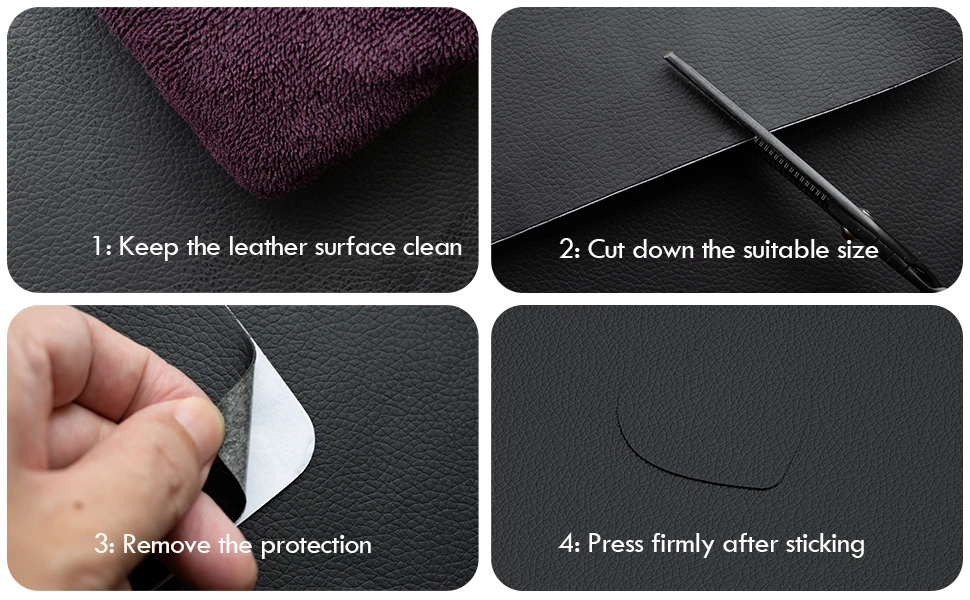
If you lack the time for the layering and drying process required by liquid repair kits, a pre-made patch is a practical alternative. These are often peel-and-stick solutions that cover the hole instantly. While a liquid filler kit aims to make the damage invisible, self-adhesive leather patches prioritize structural containment and speed.
This method is effective for preventing a tear from expanding, especially in high-traffic areas. It acts similarly to the \”backing fabric\” step in a full repair but sits on top of the damage. It is a functional solution for a repair leather rip car seat project where aesthetics are secondary to stopping the rip from growing.
Pros and cons of different repair techniques
Choosing between a full liquid repair, a quick patch, or stitching depends on your specific goals. Here is a breakdown of how these methods compare for a ripped car seat leather repair:
- Liquid Repair Kit (Filler & Dye):
- Pros: Offers the most seamless look; blends texture and color; preserves resale value.
- Cons: Requires patience for drying layers; involves multiple steps (cleaning, trimming, filling, coloring).
- Adhesive Patching:
- Pros: Extremely fast application; requires no heat or drying time; stops tears immediately.
- Cons: The patch edges remain visible; color matching is harder than with paintable fillers.
- Stitching:
- Pros: Strongest solution for split seams; ideal for cloth seats.
- Cons: Can damage leather surfaces; difficult to execute cleanly on flat panels without creating puckers.
For most leather surface damage, the repair rip leather car seat process is best handled with a kit or a patch, leaving the needle and thread for cloth interiors.
Professional vs. DIY: Which is Right for You?
Deciding whether to tackle a repair ripped leather car seat project yourself or hire a professional often comes down to budget and the extent of the damage. While professionals offer guaranteed results, modern DIY solutions have become incredibly effective for standard maintenance.
Cost comparison of repair methods
The financial difference between DIY and professional services is substantial. Professional upholsterers charge for skilled labor, overhead, and materials, which can cost hundreds of dollars per seat. In contrast, a DIY approach only requires a small investment in supplies. By using a comprehensive leather sofa repair kit that contains the necessary colorants, fillers, and backing fabrics, you can achieve a near-factory finish for a fraction of the price. This makes DIY the clear winner for cost-efficiency.
Signs you should visit an upholstery shop
While most surface damage is manageable, some situations require an expert. You should consider a professional if:
- The foam is destroyed: If the cushioning underneath the leather is missing or severely degraded, cosmetic fillers won\’t work.
- Safety seams are compromised: Never attempt a ripped car leather seat repair on stitching designed to split for airbag deployment.
- Extensive disintegration: If the leather is dry-rotting or crumbling across a large area, patching is only a temporary band-aid.
Expected lifespan of a DIY leather repair
A correctly executed repair leather rip car seat job can last for years if you follow the proper steps. The longevity depends heavily on preparation. Cleaning the area with mild soap, trimming frayed edges, and inserting a backing fabric for structural support are critical. When you layer the filler thinly and cure it properly with heat, the repair bonds permanently with the surrounding material. This prevents the tear from expanding and preserves the vehicle’s resale value.
How to Prevent Future Rips in Leather Seats
Once you have successfully managed to repair ripped leather car seat damage, the goal is to maintain that condition. Prevention is always more cost-effective than constant repairs or a full seat replacement. By adopting a few simple habits, you can preserve the integrity of the material and maintain your vehicle\’s resale value.
Regular cleaning and conditioning routines
Dirt, sweat, and body oils can degrade the finish of your seats over time. I always recommend a simple cleaning routine using mild soap and warm water. This removes surface grime without stripping away essential oils that keep the material flexible.
- Clean Regularly: Wipe down seats to prevent abrasive dirt from wearing down the surface.
- Condition: Use a leather conditioner after cleaning to keep the material soft. Dry leather is prone to cracking, which eventually leads to the need for another ripped car leather seat repair.
Protecting leather from UV damage and sharp objects
Sunlight and physical abrasion are the two biggest enemies of car interiors. Prolonged exposure to UV rays dries out the leather, making it brittle and susceptible to tearing. Parking in the shade or using a windshield sunshade can significantly extend the life of your upholstery.
Be mindful of sharp objects like keys, tools, or heavy boxes with rough edges. These can easily puncture the surface. If you do notice a small snag or abrasion caused by a sharp object, applying a self-adhesive leather patch immediately can reinforce the area and stop the damage from spreading into a larger hole.
Best products for long-term leather maintenance
You do not always need expensive, specialized chemicals for maintenance. As mentioned, a solution of mild soap and water is often sufficient for routine care. The key is consistency. By keeping the leather clean and hydrated, you prevent the fibers from weakening. This proactive approach ensures you won\’t have to face a major ripped car seat leather repair project again anytime soon.