Assess the Damage: How to Repair Leather Couch Scratches
Seeing a fresh mark on your favorite sofa is frustrating, but I’ve found that the first step to a successful leather couch scratch repair is knowing exactly what you’re dealing with. Before grabbing any tools, you need to identify the material and the depth of the damage.
Identify Your Leather Type
Different leathers react differently to repair products. I always recommend checking your furniture tag first:
- Protected (Pigmented) Leather: The most common type. It has a durable topcoat that makes it easier to remove scuffs from leather upholstery.
- Aniline Leather: Highly prized and natural, but it lacks a protective layer, making an aniline leather scratch fix a bit more delicate.
- Nubuck or Suede: These have a \”fuzzy\” nap and require specialized care to avoid ruining the texture.
Categorize the Scratch Severity
Not all damage is created equal. I categorize scratches into three main levels to determine the best DIY approach:
- Light Surface Scuffs: These only affect the color or the clear finish. They usually look like pale streaks but don\’t feel deep to the touch.
- Medium Scratches: These have actually broken the surface of the leather. You can feel a slight ridge or \”catch\” when you run your hand over them.
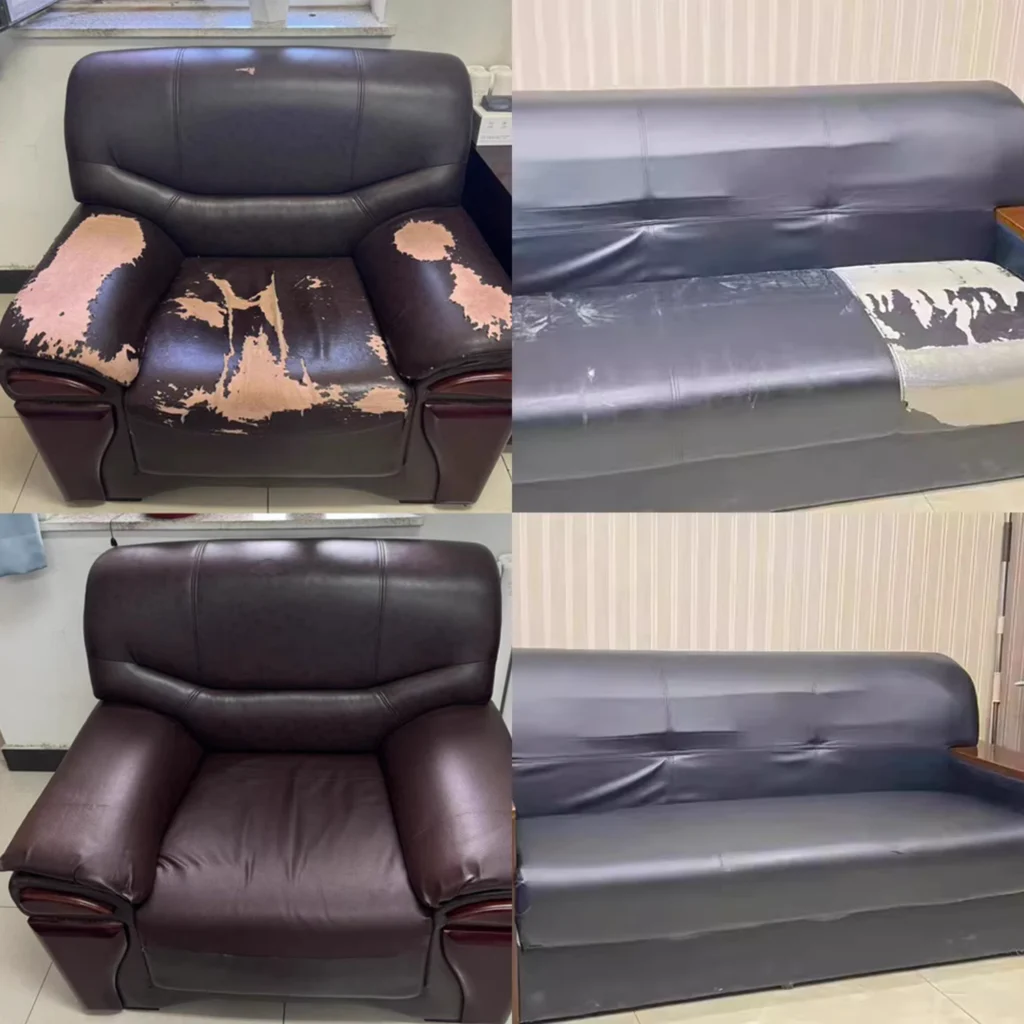
- Deep Gouges and Pet Damage: This is common with dog scratches on leather furniture or cat claws. You’ll see shredded fibers, holes, or missing chunks of material.
The Quick Diagnostic Fingernail Test
To accurately repair scratch on leather couch surfaces, I use the \”fingernail test.\” Gently run your fingernail across the scratch. If your nail glides over it without catching, it’s a surface scuff. If your nail \”clicks\” or drops into a groove, you’re dealing with a medium or deep scratch. Visual inspection for pet damage is also vital—look for punctures or frayed edges that indicate the leather\’s structural integrity has been compromised. Identifying these details now ensures you choose the right filler or conditioner later.
Essential Tools and Materials for Leather Couch Scratch Repair
To get a professional result when learning how to repair leather couch scratch damage, you need the right gear. I always recommend having a mix of everyday basics and specialized products ready before you start the job.
Basic Household Supplies
You don\’t always need a heavy-duty leather repair kit for couches for minor issues. Start with these:
- Soft Microfiber Cloths: Essential for cleaning and buffing without adding new marks.
- Distilled Water: Prevents mineral buildup or staining that tap water can cause.
- Mild, pH-Neutral Soap: A gentle way to clear away oils and dirt from the scratch site.
Professional Repair Products
For deeper damage or to remove scuffs from leather upholstery permanently, these items are non-negotiable:
- Leather Cleaner & Conditioner: Preps the surface and keeps the hide supple.
- Fine-Grit Sandpaper: Use 1000 to 2000 grit to gently smooth out raised edges.
- Matching Leather Dye or Tint: Crucial for hiding the \”white\” or \”grey\” look of a deep scratch.
- Specialized Gear: For those who want to do the job right, I recommend using a high-quality 23-set Micter leather tools kit to ensure you have the precision instruments needed for professional-grade finishing.
The Micter Repair Patch
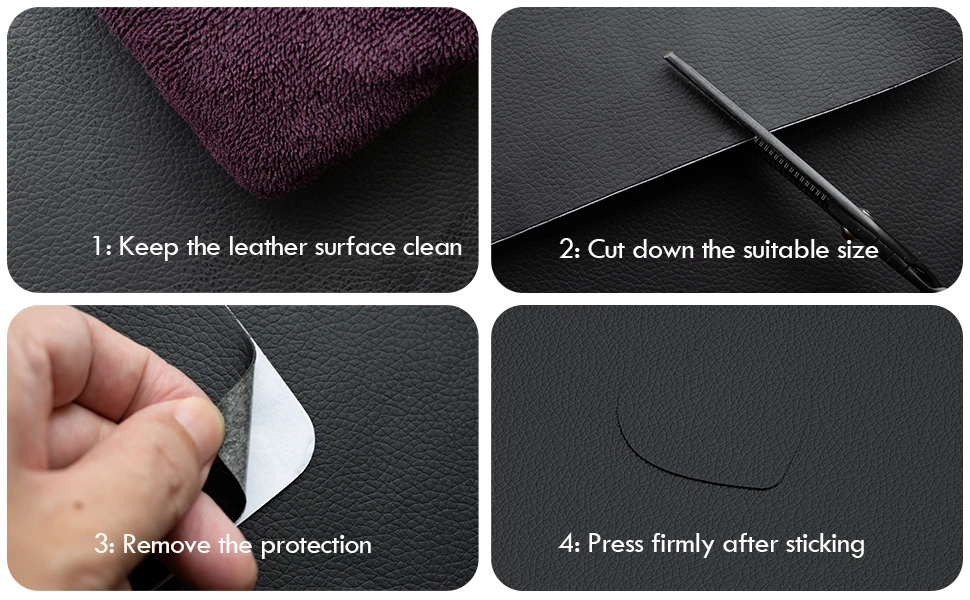
If you aren\’t interested in the technical side of sanding and dyeing, I\’ve developed a faster way. Micter leather repair patches are the ultimate shortcut. These are self-adhesive, high-quality patches designed to cover deep gouges or pet damage instantly. It’s a \”peel and stick\” solution that makes the leather look as good as new without the mess of traditional fillers.
Step-by-Step Guide: How to Repair Leather Couch Scratch by Severity
I have seen countless sofas lose their shine due to daily wear, but most damage is reversible if you use the right technique. Here is exactly how I tackle everything from minor scuffs to heavy pet damage to ensure a professional finish every time.
Buff Out Light Surface Scuffs
For minor marks that haven\’t broken the surface, you don\’t need heavy chemicals or complex tools.
- Natural Oils: Apply a tiny amount of high-quality leather conditioner for scratches and rub in a circular motion with your fingertip.
- Gentle Heat: Use a hair dryer on a low setting over the area. The heat reactivates the natural waxes and oils in the leather, often making the scuff disappear instantly.
- Buffing: Use a clean microfiber cloth to buff out leather scuffs until the texture blends perfectly with the surrounding area.
Restoring Medium Scratches and Scuffs
When a scratch is clearly visible but hasn\’t gone all the way through the hide, I recommend a more structured restoration:
- Leather Binder: Apply a binder to the area to strengthen the fibers and prevent any further peeling.
- Recoloring Balm: Use a balm that matches your sofa\’s shade to fill in the color gap.
- Finish: Once dry, buff the area to restore the original sheen.
Repairing Deep Gouges and Pet Damage
If you need to fix cat scratches on leather sofa cushions or repair deep gouges in leather, the process requires a bit more patience. You must first trim away any loose, frayed fibers with small scissors. Afterward, apply a professional leather filler for scratches in thin layers, sanding lightly between applications until the surface is level.
For many, the most effective and no-mess solution for deep furniture damage is using self-adhesive leather patches. It is a seamless way to cover large areas where traditional fillers might look messy or fail to hold over time.
Repair Methods Table
| Scratch Severity | Recommended Fix | Tools Needed |
|---|---|---|
| Light Scuff | Heat & Conditioning | Hair dryer, soft cloth |
| Medium Scratch | Binder & Recoloring | Leather binder, color balm |
| Deep Gouge | Filler or Micter Patch | Leather filler, sandpaper, or patch |
| Pet Damage | Fiber Trimming & Patching | Micro-scissors, adhesive patch |
Common Mistakes When Fixing Leather Scratches
When you are learning how to repair a leather couch scratch, knowing what not to do is just as important as the repair itself. I have seen many DIY projects go wrong because of a few avoidable errors that turn a small scuff into permanent damage.
Dangers of Harsh Chemicals and Poor Prep
The biggest mistake is reaching for household cleaners. Products containing ammonia, bleach, or vinegar strip the natural oils from the leather, causing it to become brittle and crack.
- Skip the Dish Soap: It’s designed to cut grease, which means it will remove the essential moisture your leather needs.
- Don\’t Skip the Cleaning: Applying a leather repair kit for couches over dirt or body oils prevents the bond from holding. Always use a dedicated leather cleaner first.
- Check Your Color: Never apply a recoloring balm or dye to the center of the cushion without a spot test on a hidden area.
Avoiding Permanent Surface Damage
Physical damage often comes from being too aggressive with tools. Over-sanding is a common issue; once you sand through the grain, you cannot put it back. Similarly, using a hair dryer on a high setting to dry leather filler can cause the surrounding leather to shrink or harden.
| Mistake | Consequence | Better Approach |
|---|---|---|
| Excessive Heat | Leather shrinkage & hardening | Use a \”cool\” setting or air dry |
| Coarse Sandpaper | Deep scratches & grain loss | Use 2000+ fine-grit sandpaper |
| Mismatched Dye | Visible, patchy repair spots | Use a self-adhesive leather patch for an instant match |
If you are dealing with dog scratches on leather furniture or deep gouges, don\’t try to force a liquid repair to look perfect if you aren\’t experienced with color blending. Using a high-quality leather repair patch is often the smartest move to avoid the mess of dyes and the risk of permanent chemical stains on your upholstery. Hitting the mark on how to repair leather couch scratch issues requires patience and the right materials, not shortcuts.
How to Prevent a Leather Couch Scratch Before It Happens
I’ve learned that the best way to handle pet damage leather couch problems is to stop them before they start. Staying ahead of the game keeps your furniture looking sharp without the constant stress of major repairs.
Essential Protection Tips
- Conditioning is Key: Apply a high-quality leather conditioner for scratches and dryness every 3 to 6 months. Supple leather is much harder to snag than dry, brittle hide.
- Trim Those Claws: If you want to fix cat scratches on leather sofa setups for good, keep those nails short. Regular trims are the easiest way to prevent dog scratches leather furniture caused by everyday jumping.
- Use Throws and Covers: For high-traffic areas or your pet\’s favorite nap spots, a simple throw blanket acts as a stylish and effective shield.
Smart Maintenance Routine
If you’ve already noticed some light wear, don\’t wait for it to get worse. You can effectively repair leather couch surfaces by catching small scuffs before they turn into deep, unmanageable gouges.
| Prevention Method | Frequency | Benefit |
|---|---|---|
| Conditioning | Every 3-6 Months | Prevents cracking and light surface scuffs |
| Pet Nail Trimming | Bi-weekly | Stops deep punctures and claw snags |
| Protective Covers | Daily | Guards against heavy friction and grit |
Knowing how to repair leather couch scratch issues is a great skill, but consistent care ensures you rarely have to use it. Keep the material hydrated and protected, and your furniture will handle the rigors of daily life much better.
When to Hire a Pro for Leather Couch Scratch Repair
Knowing when to handle dog scratches on leather furniture yourself and when to call a technician is key to saving your investment. While most pet damage on a leather couch can be managed with the right tools, some scenarios require specialized skills.
Evaluating Extensive Damage
I suggest seeking professional help if you encounter the following:
- Antique Pieces: High-value or heirloom furniture requires delicate care that typical DIY kits might not provide.
- Structural Tears: If a scratch has turned into a gaping hole that penetrates the backing.
- Complex Color Matching: If you have rare, multi-tone aniline leather, getting a perfect match is difficult at home.
DIY vs. Professional Restoration
Most leather couch scratch repair projects are cost-effective to do yourself. If the damage is localized, using a self-adhesive leather repair patch or a high-quality set of professional leather craft tools can save you hundreds in labor costs.
Cost-Benefit Comparison
| Repair Type | DIY Solution | Professional Service |
|---|---|---|
| Light Scuffs | Buff out leather scuffs with conditioner | Not typically needed |
| Deep Gouges | Use leather filler for scratches | Sanding and full refinishing |
| Large Tears | Apply structural patches or sub-patches | Full panel replacement |
| Estimated Cost | $15 – $60 | $200 – $1,000+ |
I always recommend a DIY approach first for standard leather couch scratch repair because modern products are designed to be user-friendly. However, if the integrity of an expensive piece is at stake, the investment in a professional restorer ensures the longevity of your furniture.