
Assess the Damage to Your Leather Couch
Before you begin to repair a leather couch hole, it is critical to evaluate the severity of the damage. A thorough inspection ensures you select the correct materials and techniques to restore the furniture\’s integrity and extend its lifespan.
Identify Leather Type: Real vs. Faux Leather
Understanding the material of your sofa is the first step in the restoration process. Whether your furniture is genuine leather or a synthetic blend, the surface must be compatible with the repair products.
- Genuine Leather: Often requires specific conditioners to maintain its natural texture after the repair.
- Faux/Bonded Leather: May react differently to certain adhesives or dyes.
Ensure your leather colorant and cleaner are suitable for the specific upholstery type to achieve a seamless finish.
Determine the Size and Depth of the Hole
Inspect the damaged area closely to decide on the best repair approach.
- Surface Scratches: May only require cleaning and coloring.
- Punctures and Tears: Require structural reinforcement.
Check if the edges are clean or ragged. As noted in repair protocols, you will likely need scissors to trim away any frayed edges or loose threads to create a clean workspace for the leather adhesive.
Evaluate if a Sub-Patch is Necessary
For any damage that penetrates completely through the leather to the padding, a simple filler is insufficient. You must determine if a backing is required to provide structural support.
- When to use: If there is a gaping hole or a deep tear.
- Material: Use a sub-patch, which can be a piece of fabric or a leather scrap.
This backing is inserted behind the visible surface to act as a foundation. The leather glue bonds the original leather to this sub-patch, creating a stable base for the leather filler layers that follow.
Essential Tools and Materials for Leather Repair
To successfully repair leather couch hole damage and extend the lifespan of your furniture, you need the right supplies. Attempting a fix with makeshift household items often leads to stiff patches or repairs that peel away after a few weeks. Whether you are dealing with a small puncture or a larger tear, gathering high-quality materials beforehand is the first step toward a professional-looking result.
Leather Repair Kit Components
Most effective repairs start with a comprehensive toolkit. You don\’t necessarily need expensive professional equipment, but you do need specific items to handle the cleaning, prepping, and filling stages. A standard DIY setup should include:
- Cleaning Solution: A dedicated leather cleaner or mild soap and water to remove oils and dirt.
- Preparation Tools: Scissors or tweezers are crucial for trimming frayed edges. Using sharp, precision leather making tools ensures you get a clean cut without pulling on the fibers.
- Sub-Patch Material: A scrap of leather or strong fabric (canvas) to place behind the hole.
- Application Tools: Spatulas or palette knives for spreading filler evenly.
Choosing the Right Leather Glue and Fillers
The structural strength of your repair depends entirely on the adhesives and fillers you choose. To repair hole leather couch surfaces permanently, avoid standard super glues, which dry hard and brittle. Instead, use a specialized leather adhesive that remains flexible, allowing the leather to flex and move without cracking the new bond.
Once the sub-patch is glued, you will need a heavy filler. This is a paste-like substance used to fill the void of the hole. It should be applied in thin layers. High-quality fillers sand down smoothly and mimic the texture of the original leather once dried.
Selecting Matching Colorants and Dyes
The final visual integration relies on color matching. A repair leather couch hole project isn\’t complete until the filled area blends with the rest of the sofa. You will need a leather colorant or dye that matches your specific shade. Since leather often has complex tones, you may need to mix colors to get an exact match. Finally, a leather sealer or conditioner is required to top off the repair, protecting the dye and restoring the natural luster and feel of the material.
Step-by-Step Guide to Repairing a Hole in a Leather Couch
Restoring your furniture doesn\’t always require a professional; with the right approach, I can show you how to repair a hole in a leather sofa using a straightforward DIY method. This process focuses on rebuilding the structure of the material to ensure the damage doesn\’t spread.
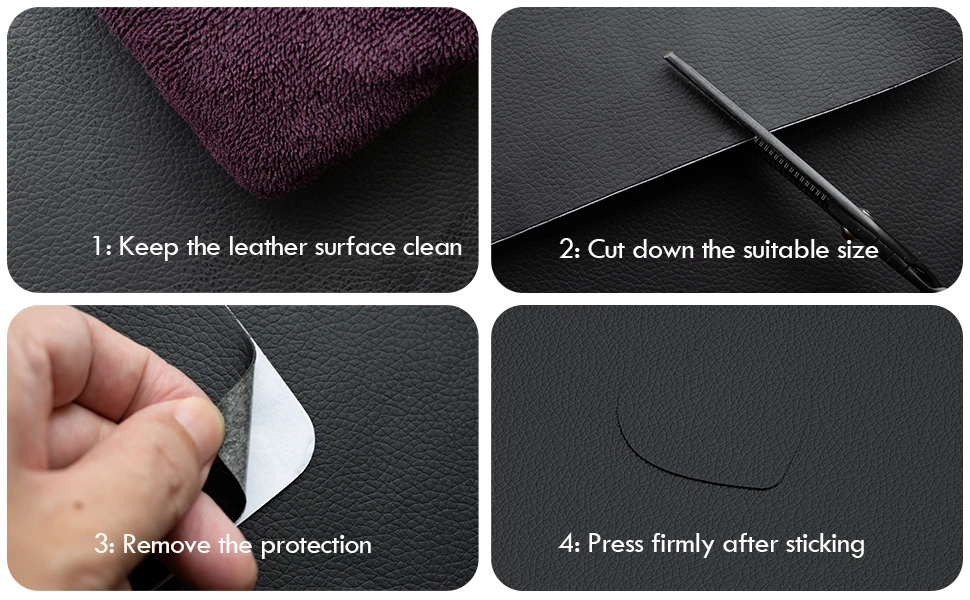
Step 1: Clean and Prepare the Damaged Area
Before applying any adhesives, the surface must be free of oils and dirt. I recommend using a specialized leather cleaner or a mild mixture of soap and water to gently wipe the area around the puncture. It is critical to let the spot dry completely. If moisture remains, the glue and filler will not bond correctly, compromising the attempt to **repair hole in leather couch** surfaces. For those looking to **repair a hole in leather** comprehensively, starting with a pristine base is non-negotiable.
Step 2: Trim Frayed Edges and Loose Fibers
Punctures often leave behind jagged edges that make the surface uneven. Using sharp scissors or tweezers, carefully trim away any loose threads or frayed bits of leather pointing outward. The goal is to create a clean, neat perimeter around the damage. This step ensures that when you eventually fill the gap, the result looks smooth rather than messy.
Step 3: Insert and Secure a Sub-Patch
For a durable fix, you need a solid foundation.
* **Cut a Sub-Patch:** Use a piece of fabric or a leather scrap slightly larger than the hole.
* **Insertion:** Slide this material inside the hole using tweezers, flattening it out so it sits smoothly behind the leather surface.
* **Adhesion:** Apply a strong leather adhesive between the underside of the original leather and the top of the sub-patch.
* **Curing:** Press the edges down firmly to secure the bond and allow the glue to dry fully.
Step 4: Apply Leather Filler in Layers
Once the backing is secure, use a flexible leather filler to fill the void. I advise applying this in thin layers rather than one thick glob. Spread the filler into the hole, ensuring it covers the sub-patch and touches the edges of the original leather. Allow each layer to dry before applying the next; this prevents shrinking and cracking, which is essential when learning **how to repair a hole in a leather couch** for the long term.
Step 5: Sand and Smooth the Surface
After the final layer of filler has dried completely, the surface might be slightly uneven. Gently sand the filled area to level it out with the surrounding upholstery. This step blends the texture, making the **repair leather couch hole** work virtually undetectable before you move on to coloring.
Color Matching and Finishing Touches
Once the filler has cured and the surface is smooth, I focus on restoring the visual appeal of the furniture. The goal here is to make the repair leather couch hole work blend perfectly with the rest of the upholstery so the damage is no longer visible.
Blending the Colorant for a Seamless Look
I start by selecting a leather colorant or dye that matches the specific shade of the sofa. This is critical for a professional finish. I apply the color directly to the repaired area. To ensure the fix isn\’t obvious, I feather the color outward from the center of the repair.
- Color Match: Ensure the dye corresponds exactly to the leather\’s tone.
- Feathering: Lightly spread the dye to the surrounding area to avoid harsh lines.
This blending technique is essential whether you are fixing a sofa or trying to repair a tear in a leather car seat, as it hides the transition between the new filler and the original material.
Applying the Tint and Letting it Dry
I apply the tint in thin coats if necessary to build up the right opacity. It is vital to allow the colorant to dry completely. Rushing this step can ruin the texture and the bond of the dye. I wait until the surface is dry to the touch before moving to the final protection step.
Using a Leather Sealer or Finish
The final step in the how to repair a hole in a leather couch process is protection. I apply a leather sealer or conditioner over the dyed area.
- Protection: Seals the dye and protects the repair from wear.
- Luster: Restores the natural shine and feel of the leather.
This step ensures the repair integrates fully with the couch\’s texture and extends the lifespan of the restoration.
Post-Repair Care and Maintenance
Once the physical fix is complete, the focus shifts to longevity. You want that patch to last as long as the furniture itself. Proper aftercare ensures the adhesive and filler stay flexible and the color remains vibrant.
Conditioning the Leather to Restore Softness
After the dye and sealer have fully cured, the leather needs hydration. The repair process can leave the surrounding area feeling a bit dry or stiff. I always apply a quality leather conditioner over the entire cushion, not just the repaired spot. This helps blend the texture of the fixed area with the rest of the upholstery.
- Restores Luster: Brings back the natural shine of the hide.
- Maintains Flexibility: Prevents the new filler from cracking under pressure.
- Softens Texture: Makes the surface pleasant to touch again, ensuring the patch feels like the original material.
Protecting the Repair from Heat and Sunlight
Leather is sensitive to its environment. Direct sunlight and heat sources are the enemies of a durable repair. UV rays can fade your custom color match, while heat dries out the natural oils in the hide. To ensure you don\’t have to repair a leather couch hole again in the same spot, position your sofa away from windows or radiators. If moving the furniture isn\’t an option, use blinds or throws during the sunniest parts of the day to shield the material.
Regular Maintenance Tips to Prevent Future Cracks
Routine care is the best way to avoid needing to learn how to repair a hole in a leather sofa again. Keeping the material clean and moisturized prevents the fibers from becoming brittle and tearing.
- Clean Regularly: Wipe down the surface with a damp cloth or mild soap solution to remove dust and body oils.
- Condition Periodically: Apply a conditioner every 6 to 12 months to lock in moisture.
- Address Damage Early: If you notice minor surface damage, address it immediately before it deepens. Knowing how to repair a tear in a leather sofa early on can save the furniture from requiring a full sub-patch later.
Common Challenges and Troubleshooting
How to Fix Large Dog Chew Holes
When dealing with significant damage, such as a jagged hole caused by a pet, a simple filler application will not suffice. To successfully repair leather couch hole damage of this magnitude, you must establish a solid backing. I recommend using a durable sub-patch cut slightly larger than the void. Insert this material behind the leather and secure it firmly with adhesive to create a stable foundation. Once the backing is set, you can build up the surface with layers of filler, ensuring the area is strong enough to handle daily use.
Repairing Peeling Faux Leather vs. Real Leather
The method to repair hole in leather couch surfaces differs depending on the material. Real leather usually sustains clean cuts or punctures, while faux leather tends to peel and flake over time. For synthetic materials, you must remove all loose debris before applying any products. If you are struggling to restore a synthetic surface that is flaking extensively, following a guide to repair peeling leather couch damage can help you stabilize the top layer and prevent further deterioration.
What to Do if the Color Doesn\’t Match Exactly
Achieving an invisible finish is often the most difficult part of how to repair a hole in a leather couch. If your colorant appears slightly different from the original upholstery, focus on blending rather than painting a hard line. Sponge the dye onto the center of the repair and feather it outward onto the surrounding undamaged leather. This technique creates a gradient that tricks the eye, making the transition seamless. Always allow the color to dry completely, as wet dyes often appear darker than the final result.
Frequently Asked Questions (FAQs)
Can you repair a leather couch without a professional kit?
Yes, you can manage a repair leather couch hole project without a pre-packaged box, but you will still need specific materials to get professional results. You cannot simply use standard household glue or tape. To successfully fix the damage, you must gather individual components like a strong, flexible adhesive, a sub-patch material (canvas or leather scrap), and a leather filler.
However, sourcing these items separately can sometimes cost more than a dedicated solution. Many DIYers find it more convenient to use a leather couch patch kit because it includes the exact colorants, mixing tools, and fillers needed to match the specific texture of your furniture.
How long does the repair process take to dry?
Patience is the most critical tool when learning how to repair a hole in a leather couch. Rushing the drying times can ruin the texture and bond.
* **Adhesive:** After gluing the sub-patch, let it cure for at least 1 to 2 hours to ensure a stable foundation.
* **Filler:** Apply the filler in thin layers. Each layer typically requires 2 to 3 hours to dry completely. If you apply it too thick, it will not cure properly.
* **Color and Seal:** Once the final colorant and sealer are applied, allow the sofa to sit undisturbed for 24 hours before using it again.
Is the repair permanent and durable?
When performed correctly with a sub-patch and flexible filler, the repair is highly durable and can last for years. The sub-patch takes the tension off the leather edges, preventing the hole from reopening. While a DIY fix restores the look and function of the sofa, it is essential to maintain the area. If you are dealing with extensive damage that involves jagged tears, the technique is slightly different; reviewing how to [repair a leather couch rip](https://micterleather.com/repair-a-leather-couch-rip/) can ensure you apply the right structural reinforcement for long-term results. regarding regular conditioning will also prevent the surrounding leather from drying out and pulling away from the repair.