
Is your car\’s interior starting to show its age?
Seeing those ugly lines and splits on your upholstery can be incredibly frustrating. It kills the look of your vehicle and lowers its resale value.
But here is the good news: repairing cracked leather car seats doesn\’t have to cost a fortune or require a trip to the upholstery shop.
In fact, I’m going to show you exactly how to restore that showroom look right in your own driveway.
Whether you want to tackle deep restoration with fillers or prefer the instant, seamless results of Micter leather repair patches, this guide is for you.
You are about to learn the most effective DIY leather seat repair methods to save money, stop damage in its tracks, and make your seats look brand new again.
Let\’s dive in.
Assessing the Damage: Identify the Severity of Car Seat Cracks
We’ve all been there—you open the car door, the sunlight hits the driver’s seat, and you spot that dreaded spiderweb of lines. Before we jump into how to repair cracked leather car seat issues, we need to pause and inspect the damage. Not all cracks are created equal, and understanding exactly what you are dealing with is the first step toward a flawless cracked leather car seat repair.
Grab a flashlight and a pair of nitrile gloves. You need to stretch the leather slightly to see if the damage is just in the clear coat or if it has penetrated the hide itself.
Types of Leather Damage
Identifying the specific issue will dictate whether you need a simple touch-up or a heavy-duty cracked leather upholstery fix.
| Damage Type | Description | Repair Difficulty |
|---|---|---|
| Surface Cracks | Fine lines that look like dry skin. Usually affects only the top dye or coating layer. | Easy (DIY) |
| Deep Cracks | Distinct fissures where you can see the lighter fibers of the leather underneath. | Moderate (DIY) |
| Tears or Holes | The leather has split completely, exposing the foam cushion below. | Moderate to Hard |
| High-Tension Damage | Cracks located on the side bolsters or seams where weight is constantly applied. | Requires Strong Bond |
DIY Leather Seat Repair vs. Professional Help
Most of the time, you can handle a fix for cracked leather seats right in your garage. However, knowing your limits saves time and money.
- Go DIY: If the cracks are cosmetic, surface-level, or small tears (under 2 inches). Using a quality leather car seat patch or filler kit is perfect here.
- Consult a Professional: If you have extensive rotting, giant jagged tears across multiple panels, or if the stitching has completely unraveled. In these extreme cases, professional leather seat reupholstery might be the only way to restore structural integrity.
Tools for Basic Assessment:
- Bright LED Flashlight: To inspect the depth of the crack and check the leather grain.
- Disposable Gloves: To protect your hands and keep body oils out of the cracks while handling the seat.
- Magnifying Glass (Optional): Helps identify if a tear in leather car seat material has jagged edges that need trimming.
By accurately assessing the severity now, you ensure you choose the right method to repair cracking leather seat issues permanently.
Would you like me to proceed to the next step: Preparation Steps for Any Repair?
Preparation Steps for Any Repair: Clean and Prep Surface
To successfully repair cracked leather car seat damage, I cannot stress this enough: preparation is everything. If the foundation isn\’t clean, nothing will stick, and the repair will likely fail within a few weeks. Whether you are dealing with a small scratch or a tear in the bolster, the surface needs to be spotless before you apply any new material.
Cleaning the Affected Area
First, I thoroughly clean the seat to remove dirt, grime, and body oils that have built up over time. These invisible residues are the main enemies of strong adhesion.
- Wash: Use a mild soap and warm water solution to wipe down the entire panel, not just the crack.
- Degrease: Take a cloth with isopropyl alcohol and carefully wipe the immediate area of the damage. This removes stubborn oils and silicone residues from previous car detailing products.
- Dry: Allow the seat to dry completely. Moisture trapped underneath will ruin the fix.
Smoothing the Surface
Once the leather is clean and dry, inspect the damage. If the edges of the crack are curling upward or are rough, the finish will look uneven. I gently sand the area to remove loose flakes and create a level surface. Using a dedicated leather working tools kit can provide the precise abrasive pads and smoothing tools needed to prep the hide effectively without causing extra wear to the surrounding grain.
Ideal Work Environment
ly, ensure you are working in a well-ventilated, dust-free space. Floating dust particles that settle on the adhesive or filler will weaken the bond. Taking these few minutes to prep properly ensures your DIY leather seat repair looks professional and holds up against daily driving wear.
Method 1: Traditional Filler Repair for Deeper Cracks
When I\’m dealing with deep gouges or significant crevices where the leather has actually separated, a simple surface cover-up might not suffice. To truly repair cracked leather car seat upholstery that has lost structural volume, the traditional filler method is a reliable, albeit more hands-on, approach. This technique is about rebuilding the surface from the inside out.
Required Materials for Restoration
Before you start, gather these essentials. You can often find them grouped in a comprehensive leather repair kit for cars, but buying individually works too:
- Leather Cleaner: To degrease the area.
- Filler Compound: A high-quality specialized leather repair gel is crucial here to bond with the fibers.
- Palette Knife: For spreading the filler evenly.
- Fine Sandpaper: 600 to 1000 grit for smoothing.
- Colorant/Dye: To match your seat\’s specific shade.
- Sealant: To lock in the repair and prevent wear.
Step-by-Step Restoration Process
This isn\’t a five-minute fix; it requires patience to ensure the leather filler for cracks bonds correctly.
- Clean and Prep: Ensure the crack is free of oil and dirt.
- Apply Filler: Using your palette knife, press the repair gel into the crack. Do not overfill. It is better to apply thin layers because the filler shrinks as it dries.
- Dry and Sand: Allow the layer to cure completely. Once dry, gently sand it down to keep the surface level.
- Repeat: Continue applying thin layers and sanding until the filled area is perfectly flush with the surrounding leather.
- Color Match: Sponge on your colorant in thin coats to blend the repair with the rest of the seat.
- Seal: Apply a clear top coat to protect your work from friction and UV rays.
Pros and Cons of Filler Repair
While effective, this method has trade-offs compared to using patches.
| Feature | Description |
|---|---|
| Durability | Creates a strong, integrated bond that restores the original contour of the seat. |
| Finish | When done correctly, the repair is smooth and nearly invisible. |
| Time | Time-intensive. Each layer of filler needs significant drying time. |
| Difficulty | Requires a steady hand and a good eye for color blending. |
If you have the time and the patience, this method offers a professional-grade restoration for deep damage. However, for those needing a faster solution without the mess of sanding and dyeing, patches remain a strong alternative.
Next Step: Would you like me to explain how to select the exact color match for your vehicle\’s interior before you start filling?
Method 2: Quick and Seamless Patch Repair with Micter
For many car owners, the traditional filler method is just too messy and time-consuming. If you want to repair a cracked leather car seat without waiting hours for compounds to dry or struggling with color mixing, a high-quality patch is the superior choice. Patches excel here because they provide instant coverage and are designed to flex with the cushion. Unlike fillers that might crack again under the weight of a passenger, a good patch moves with the leather, ensuring a longer-lasting fix.
Why Choose Micter Leather Repair Patches?
We designed our patches specifically to handle the unique stress of automotive interiors. A leather car seat patch needs to withstand UV rays, temperature changes, and constant friction. Our self-adhesive leather patches come in various colors and realistic grain textures to match most standard car interiors. With Micter, it\’s a simple patch and the leather is as good as new—no specialized tools required.
Step-by-Step Application Guide
Getting a professional result relies on how you apply the patch. Follow this process for a secure bond:
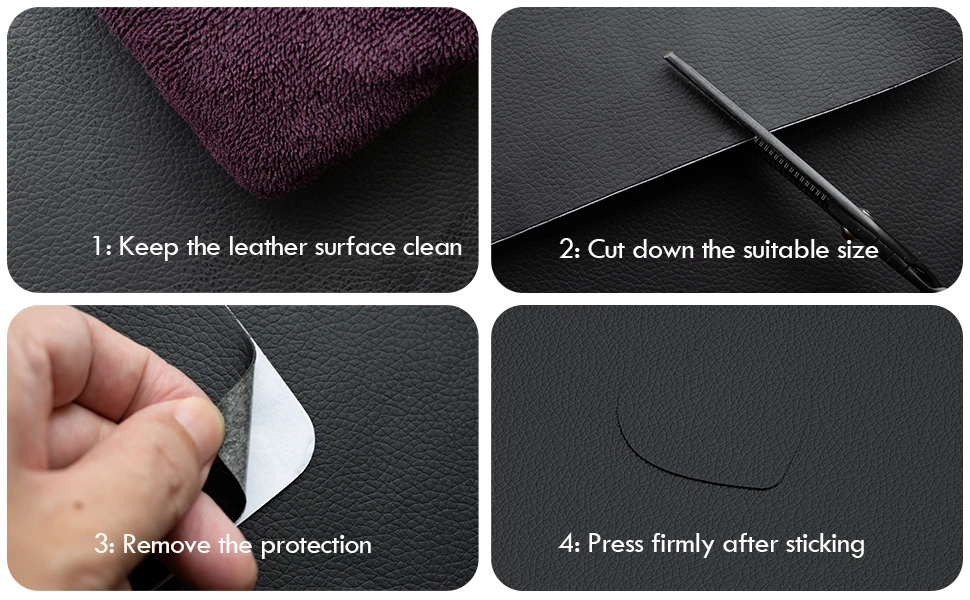
- Prep the Surface: Ensure the area is completely clean and dry (isopropyl alcohol is great for removing grease).
- Measure and Cut: Cut the patch to size, ensuring it extends at least an inch beyond the damage on all sides.
- Round the Edges: This is the most important tip. Use scissors to round off the sharp corners of your patch. Sharp corners catch on clothing and peel up easily; rounded edges blend seamlessly into the seat.
- Apply and Press: Peel off the backing paper and press the patch firmly over the crack. Smooth it out from the center toward the edges to remove air bubbles.
- Allow to Cure: While the adhesion is instant, I recommend letting it set for 24 hours before heavy use to achieve maximum hold.
Tips for High-Friction Areas
If you are dealing with bolster seat crack repair (the side of the seat that rubs against you when you get in and out), placement is key. Try to cover the entire panel if possible, or ensure the edges of the patch are tucked away from the main friction point. For larger tears or extensive cracking across a seat panel, using a larger leather repair patch roll allows you to cover the whole section, making the repair virtually invisible.
Would you like me to create a comparison table highlighting the cost differences between these DIY methods and professional upholstery services for the next section?
Color Matching and Blending Tips for Invisible Repairs
Getting the color right is the difference between a seamless fix and an obvious patch. When you set out to repair a cracked leather car seat, the goal is for the repair to disappear into the existing upholstery. If the shade is off even slightly, the eye will be drawn right back to the damage.
Here is how to ensure a perfect match for a professional-looking finish:
- Select the Right Shade: Most automotive interiors rely on standard color palettes. We provide our Micter self-adhesive PU leather patches in a wide variety of colors, including multiple variations of black, beige, gray, and brown, to match the most common factory leather dyes.
- Test Before Applying: Never apply a colorant or patch directly to the visible damage without testing first. Find a hidden area, such as the leather underneath the seat or near the floor rails, to compare the match in different lighting conditions.
- Feathering and Blending:
- For Patches: Always round the corners of your patch with scissors before applying. Sharp corners tend to peel up and catch the eye; rounded edges blend more naturally into the seat\’s curves.
- For Fillers/Dyes: If you are using a liquid repair method, \”feather\” the edges by applying lighter layers toward the outside of the repair zone to create a smooth transition rather than a hard line.
Taking these extra steps ensures that when you fix cracked leather seats, the result looks intentional and clean, maintaining the value of your vehicle’s interior.
Post-Repair Care and Prevention: Maintain Your Leather Seats
Once I finish a repair cracked leather car seat project, the job isn\’t technically over. To ensure that your car interior leather restoration lasts, ongoing maintenance is crucial. You don\’t want to be dealing with the same tears again in six months. Proper care keeps the material supple and resilient against daily wear and tear.
Here is my routine to prevent leather seat cracking and protect your investment:
- Condition Regularly: Leather is essentially skin; without moisture, it dries out and breaks. I always recommend applying a high-quality automotive leather conditioner every 3 to 6 months to maintain flexibility.
- Block UV Rays: Direct sunlight cooks the essential oils right out of the hide. Whenever possible, park in the shade or use windshield sunshades to minimize UV damage.
- Avoid Harsh Chemicals: Never use household cleaners containing bleach or ammonia. These chemicals strip natural oils and can ruin your cracked leather upholstery fix very quickly.
- Monitor High-Traffic Areas: Keep a close eye on bolsters and entry points. If you notice minor discoloration or tiny scuffs appearing near the repaired area, using our leather dye marker pens allows for quick touch-ups before they turn into major issues.
Taking these simple steps extends the life of your seats and preserves the interior appearance of your vehicle for years to come.
Cost Breakdown: DIY vs. Professional Repair
When you see the quote for professional leather seat reupholstery, it is easy to get sticker shock. Upholstery shops have to charge for skilled labor, shop overhead, and premium materials, often requiring you to leave your vehicle with them for several days. On the other hand, taking a DIY leather seat repair approach puts you completely in control of the budget and the timeline.
Here is a quick look at the price difference between handling it yourself and hiring a pro:
| Repair Method | Estimated Cost | Time Required | Difficulty |
|---|---|---|---|
| Micter DIY Patch | $15 – $30 | 10 – 20 Mins | Beginner (Easy) |
| Full Repair Kit | $40 – $80 | 1 – 2 Hours | Moderate |
| Professional Spot Repair | $150 – $300 | 1 Day | N/A |
| Full Seat Reupholstery | $500 – $1,500+ | 3 – 5 Days | N/A |
Why Our Patches Make Sense
Choosing to repair cracked leather car seat damage yourself doesn\’t just save cash; it saves you the hassle of being without a car. With Micter patches, you bypass the waiting list at the repair shop. We designed these patches so that a simple application makes the leather look as good as new immediately.
Even if you decide to tackle a more complex project and invest in a comprehensive 11 set leather craft tools kit to help with prep or stitching before patching, your total spend is still a fraction of what a professional would charge. You get professional-looking results without the professional price tag, keeping your car\’s interior sharp and your wallet full.
Frequently Asked Questions About Leather Seat Repair
When you decide to repair cracked leather car seat damage yourself, it’s normal to have a few questions before you start peeling and sticking. I’ve rounded up the most common inquiries I get from customers looking to restore their car interiors.
Can conditioner alone fix existing cracks?
Short answer: No. While a high-quality automotive leather conditioner is essential for maintenance, it cannot knit separated fibers back together. Conditioner is a preventative measure designed to prevent leather seat cracking by keeping the hide soft and flexible. It might darken the crack slightly, making it less visible, but it won\’t structurally repair the damage.
How long do patch repairs last on car seats?
This depends heavily on the quality of the material and the location of the damage. A standard leather filler for cracks might eventually dry out and crack again in high-motion areas. However, using high-quality Micter self-adhesive leather patches provides a more durable solution because the material flexes with the seat. With proper application, a good patch can last for years, even on a driver\’s side bolster seat crack repair.
Is it safe to drive immediately after applying a patch?
- For Patches: Yes. One of the biggest advantages of a leather car seat patch is the instant fix. You can sit on it right away, though allowing it to cure for 24 hours ensures maximum adhesion.
- For Fillers/Liquid Leather: No. If you use liquid leather for seats, you must wait for it to fully dry and cure, which can take anywhere from a few hours to a full day.
What if the crack is on a perforated seat section?
This is tricky. Applying a patch or filler will inevitably cover the perforation holes in that specific spot. For a DIY leather seat repair, you have two choices:
- Accept a smooth patch over the textured area to stop the tear from spreading (recommended for structural integrity).
- Carefully use a pin to poke holes through the patch before applying, though this is tedious and hard to align perfectly.
Alternatives for very large damage
If your seat looks like it went a few rounds with a tiger—meaning large chunks of foam are missing or the leather is shredded beyond a simple tear in leather car seat fix—a patch might not cut it. In cases of extreme damage, you may need to look into professional leather seat reupholstery or full seat covers, as a small adhesive fix won\’t hold the tension of a massive gap.