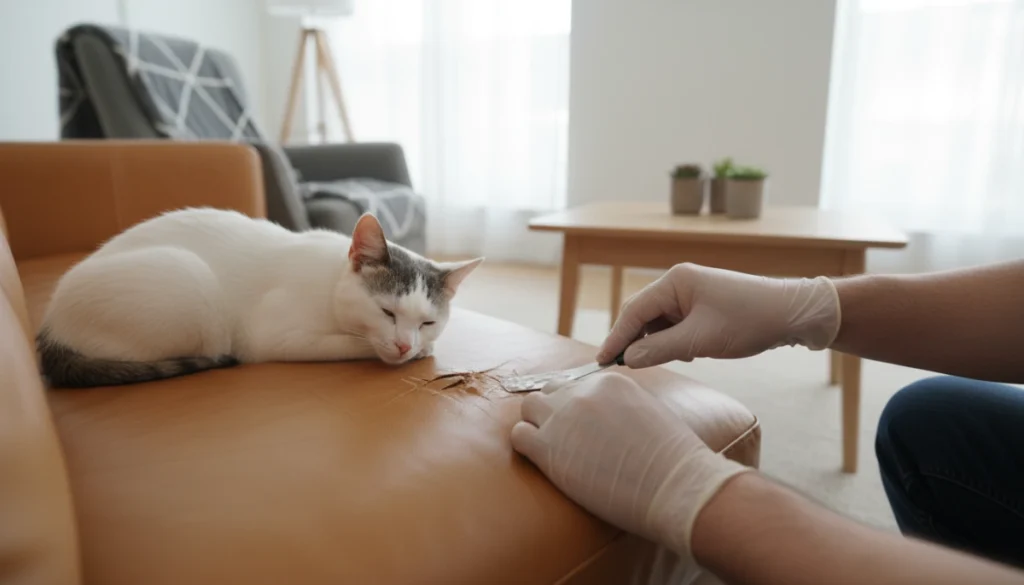
I’ve seen it a thousand times: you walk into the living room and find your favorite leather couch has been turned into a scratching post. Before you can repair cat scratch on leather, you need to understand the extent of the damage. Not all scratches are created equal, and the type of leather you own dictates the restoration process.
Identifying Your Leather Type
Most modern furniture falls into three categories. Knowing yours helps determine how the Leather Prep and Colorant will react during the repair.
| Leather Type | Description | Repair Difficulty |
|---|---|---|
| Pigmented | Coated with a solid color and protective finish. Most common. | DIY Friendly |
| Semi-Aniline | Lightly pigmented with a translucent look. | Moderate |
| Aniline | Natural, porous leather with no surface coating. | Advanced |
Surface Scuffs vs. Deep Gouges
To fix cat claw marks on leather, I categorize damage into two main levels:
- Surface Scuffing: This is usually damage to the manufacturer\’s finish rather than the hide itself. The leather feels slightly rough but hasn\’t \”fuzzed\” up yet. I recommend using Flexifil for these high-wear seating areas because it stays supple.
- Deep Gouges and Pulled Fibers: If your cat\’s claws have physically torn into the hide, you\’ll see loose fibers or even holes. For these structural gaps, a high-density Heavy Filler is required to replace the missing leather.
The Fingernail Test
I always use this simple trick to assess severity: gently run your fingernail across the scratched area.
- If your nail slides over without catching, it’s a light scuff.
- If your nail \”snags\” on loose fibers or sinks into a ridge, you are dealing with a deep scratch that requires a multi-step filling and sanding process.
When to DIY Your Leather Repair
You don\’t need to call a professional for most cat scratches on leather couch situations. If the damage is localized—even if it’s a deep gouge—professional-grade DIY materials like Leather Binder and specialized fillers can restore the surface to a factory-standard look. I only suggest a professional if the leather has suffered a massive structural tear that spans the entire length of a cushion or if the piece is a delicate antique with significant historical value. For everything else, a systematic approach of cleaning, sanding, and filling will do the trick.
Essential Tools to Repair Cat Scratch on Leather
To achieve a professional-grade cat scratch on leather repair, you need more than just a quick fix; you need the right chemistry and tools. I’ve found that the success of the restoration depends entirely on the preparation and the quality of the fillers used.
The Prep and Cleaning Kit
Before applying any product, the leather surface must be stripped of oils and the manufacturer\’s finish.
- Alcohol Cleaner: Essential for removing grease, wax, and skin oils that prevent fillers from sticking.
- Leather Prep: A specialized solution to take off the old finish around the scratch.
- Microfiber Cloths: For lint-free cleaning and wiping.
Professional Repair Mediums
Depending on the depth of the damage, you’ll need specific fillers to fix cat claw marks on leather effectively:
- Flexifil: This is a highly flexible filler designed for surface scratches and high-wear seating areas. It moves with the leather to prevent cracking.
- Heavy Filler: Use this thick paste for deep gouges or holes where the cat has physically removed pieces of leather.
- 1200 Grade Sandpaper: This fine-grit abrasive is used to smooth down \”burrs\” (fuzzy fibers) and level the filler after it dries.
- Leather Colorant & Finish: To hide the repair and match the original sheen of your furniture.
For those who want to ensure every step is handled with precision, using a set of professional leather craft tools allows you to apply fillers and sand edges with much higher accuracy.
The Micter Shortcut
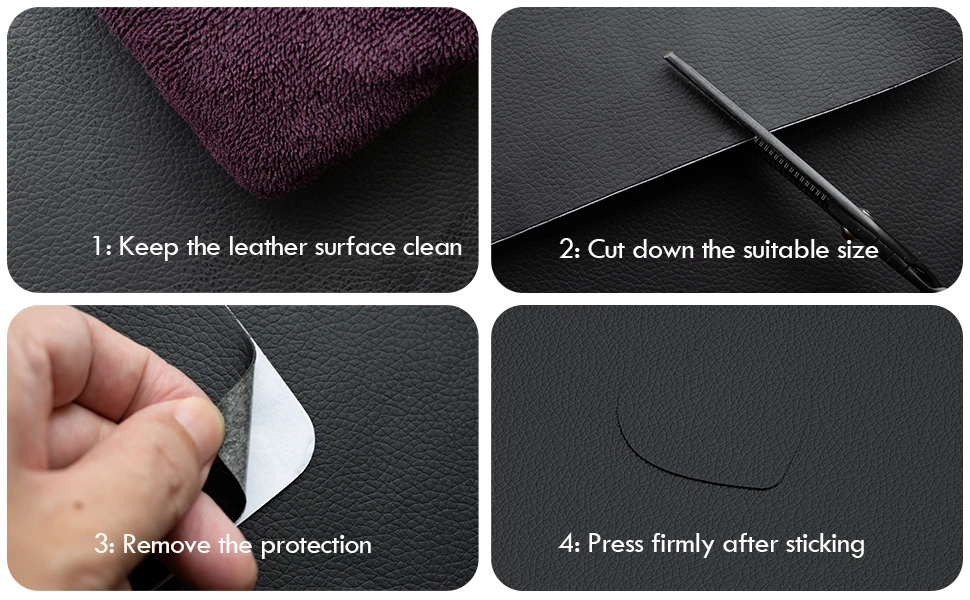
While the multi-step chemical process works wonders for restoration, Micter repair patches are the fastest way to hide cat scratches on a sofa. These patches offer an almost invisible fix for those who want a \”peel and stick\” solution without the need for drying times or manual color mixing. It is the most efficient leather repair kit for pets when you need the furniture back in use immediately.
Fast Fixes for Light Cat Scratches on Leather
When dealing with minor cat scratches on leather couch surfaces, a quick restoration can prevent the damage from worsening. These light scuffs usually affect only the top coating or the surface fibers without tearing through the material.
Pre-Cleaning the Surface
To effectively repair cat scratch on leather, you must first strip away the manufacturer’s finish and any barriers to adhesion. Use a professional Leather Prep solution followed by an Alcohol Cleaner to remove grease, wax, and accumulated body oils. This is a critical step because any residue will prevent repair products from bonding to the surface.
Hydrating and Hiding Minor Marks
For very faint marks that haven\’t broken the surface, a high-quality leather conditioner for scratches can often hydrate the fibers and make the marks vanish.
- Apply: Use a lint-free cloth to work the conditioner or a light colorant into the scuff.
- Absorb: Let the leather soak up the moisture to restore its natural suppleness.
- Color Match: If the scratch has lightened the leather, using a specialized leather dye marker pen can provide an instant, targeted fix for minor pigment loss.
Buffing for a Blended Finish
After applying your treatment, use a clean microfiber cloth to buff the area. This technique smooths the edges of the scratch and blends the repair with the original texture. Consistent buffing ensures a uniform sheen, making the cat claw marks leather nearly invisible to the naked eye. This approach is the most efficient leather scratch repair method for everyday wear and tear that hasn\’t reached the deep gouge stage.
Restoring Moderate Scratches and Fuzzy Fibers
When cat claws pull at the leather, they leave behind \”fuzzy\” fibers or a rough burr that ruins the texture of your furniture. To properly repair cat scratch on leather when the damage is moderate, you have to move beyond simple conditioning and focus on structural restoration.
I follow a professional-grade process to stabilize these fibers and return the leather to a smooth, uniform state:
- Prep and Clean: Start by using an alcohol cleaner to remove any surface grease, wax, or oils. This step is non-negotiable because it ensures the repair products bond permanently to the leather.
- Remove the Burr: Use 1200-grade sandpaper to gently sand the area. This removes the loose, fuzzy fibers and levels the surface. If there are long threads hanging off, trim them carefully with a pair of sharp nippers.
- Strengthen the Area: Apply a leather binder to the damaged spot. The binder soaks into the weakened fibers, strengthening them and creating a solid base for the filler.
- Apply Flexifil: For moderate scratches in seating areas, I use Flexifil. This flexible filler is designed for high-wear zones. Apply it in thin layers with a palette knife to fill the indentations, drying each layer with a hair dryer before adding the next.
- Final Sanding: Once the filler is dry, perform a final sand with 1200-grit paper to make the repair flush with the surrounding leather.
If the damage covers a larger area or you want a shortcut to an invisible fix, using self-adhesive leather patches is the most efficient way to restore scratched leather furniture. These patches allow you to skip the complex filling process while providing a durable, textured finish that blends perfectly with the original grain. This method is the fastest way to fix cat claw marks on leather and ensure the repair stands up to daily use.
How to Repair Deep Gouges and Torn Leather
Deep gouges and holes where leather is physically missing require a more intensive restoration process than simple surface scuffs. To repair cat scratch on leather when the damage is structural, I follow a commercial-grade methodology that ensures the fix is both durable and invisible.
- Prep the Site: I begin by using an alcohol cleaner to strip away grease, wax, and oils. This step is non-negotiable for ensuring the fillers adhere properly to the leather.
- Sub-Patching for Holes: If the cat has torn completely through the material, I insert a sub-patch behind the leather to create a stable base for the filler.
- Layering the Filler: I choose my filler based on the location of the damage. For deep gaps, I use a high-density Heavy Filler. For seating areas that need to move, I apply Flexifil. I apply these in thin layers with a palette knife, allowing each layer to dry until the gouge is filled slightly above the surface level.
- Leveling the Surface: Once the filler is set, I use 1200-grade sandpaper to carefully sand the area flush. This creates the smooth foundation needed to restore scratched leather furniture to its original state.
- Color and Seal: After leveling, I sponge on a matching leather colorant to hide the repair. To ensure long-term protection against future claw marks, I apply a leather finish (topcoat) that matches the original sheen and seals the color in place.
For those dealing with significant structural loss or large tears, using a self-adhesive leather patch can provide a fast, high-strength solution that stabilizes the area before you begin the final coloring and blending process. This professional approach ensures your cat scratch on leather repair stands up to daily use without peeling or cracking.
Professional Tricks to Repair Cat Scratch on Leather
Achieving a factory-finish result when you repair cat scratch on leather requires more than just filling a hole; it’s about mastering the art of invisibility. I have found that the difference between a DIY look and a professional restoration lies in how you handle color and texture.
Secrets to a Perfect Color Match
Matching the exact shade of your furniture is the most critical step. Leather is rarely a flat, single color. To get it right:
- Mix in Small Batches: Start with a base colorant that is the closest match and add toners drop-by-drop.
- The Dry Test: Colorant often looks lighter when wet. Always apply a tiny amount to a hidden area and dry it with a hairdryer to see the true final shade.
- Layering: For complex colors, use a sponge to dab different shades lightly over the area to create depth.
Mimicking the Original Grain
A common mistake in leather furniture cat damage repair is leaving the repaired area too smooth, which makes it stand out. To mimic the natural grain, use a sponge to apply the final layers of colorant. This dabbing motion creates a \”stippled\” texture that breaks up light just like real leather grain. If you are dealing with large areas of damage, using a high-quality leather sofa repair kit provides the professional-grade colorants and finishes needed to seal the repair permanently.
Avoiding Common Repair Mistakes
I see many people fail because they rush the process. To ensure your cat scratch on leather repair lasts, avoid these pitfalls:
- Over-applying Filler: Putting down one thick layer of Heavy Filler leads to cracking. Apply multiple thin layers, allowing each to dry fully.
- Skipping the Finish: The colorant provides the look, but the Leather Finish provides the protection. Without a topcoat, the repair will eventually rub off.
- Rushing the Sanding: Use 1200 grade sandpaper to ensure the filler is perfectly flush with the surrounding leather before you even touch the colorant. For those who want a faster solution for structural damage, a leather couch patch kit can provide a stable base for deeper gouges.
Preventing Future Cat Scratches on Your Furniture
Once you have learned how to repair cat scratch on leather, your next priority is ensuring the damage doesn\’t happen again. Protecting your investment requires a mix of behavioral redirection and physical barriers.
Strategic Placement of Scratching Alternatives
Cats often scratch leather furniture because it is sturdy and located in high-traffic social areas. To distract them:
- Place scratching posts directly next to the couch or chair they previously targeted.
- Use diverse textures like sisal, carpet, and wood to see which your cat prefers over leather.
- Reward positive behavior with treats when they use the post instead of the furniture.
Physical Deterrents and Claw Maintenance
You can make your leather less \”appealing\” by using simple home solutions:
- Citrus Sprays: Cats have a natural aversion to citrus scents. Lightly misting the area can keep them away.
- Double-Sided Tape: Applying specialized clear tape to the corners of the sofa creates a sticky sensation that cats dislike.
- Nail Trimming: Keep claws blunt with bi-weekly trims. If your cat is particularly stubborn, consider using soft claw covers.
Keeping Leather Supple to Reduce Damage
Dry, neglected leather is much easier for a claw to penetrate and tear. Maintaining the leather\’s moisture levels ensures the fibers remain flexible, which can sometimes allow a claw to slide off rather than dig in. For any existing marks that still need attention, using a high-quality vinyl and leather repair kit will help you seal the surface and restore the original look.
Maintaining a Scratch-Free Zone
Regularly conditioning your furniture doesn\’t just improve aesthetics; it acts as a preventative layer. A well-maintained finish is your first line of defense. If you do spot a new mark, address it immediately to repair cat scratch on leather before the fibers begin to fray or pull, which prevents minor scuffs from turning into expensive structural issues.
DIY vs. Professional: Choosing the Right Path to Repair Cat Scratch on Leather
Deciding whether to repair cat scratch on leather yourself or hire a pro usually comes down to two factors: your budget and the value of the furniture. Professional restoration can cost hundreds of dollars because you are paying for labor, travel, and custom color matching. In contrast, using a high-quality leather repair patch is the most cost-effective way to get professional-grade results at home. A simple patch is designed to make the leather as good as new in minutes, while a professional service might take weeks to schedule and complete.
When to Choose DIY Repair
Most cat claw marks on leather are manageable for the average homeowner. If you have modern pigmented or semi-aniline leather, a DIY approach is highly effective. It allows you to restore scratched leather furniture quickly without the hassle of moving heavy furniture.
- Cost Savings: DIY kits and patches cost a fraction of professional labor.
- Convenience: You can fix cat claw marks on leather the moment they happen.
- Effectiveness: Professional-grade fillers and adhesive patches provide a durable, long-lasting bond.
When to Call an Expert
While a leather repair kit for pets handles most damage, some high-end or specialty items might need a specialist\’s touch:
- Antique Pieces: If the leather is decades old with a delicate, historic patina.
- Structural Integrity: If the scratches have turned into massive tears that compromise the frame padding.
- Specialty Finishes: Rare, multi-toned, or iridescent leathers that require complex airbrushing to match.
For the vast majority of household furniture, a localized DIY fix is the smartest move. It preserves your investment and stops the damage from spreading, providing a permanent solution for a much lower price point.
Common Questions About Leather Pet Damage
Addressing cat-related damage requires understanding the limits of basic maintenance versus professional restoration techniques. I’ve compiled the most frequent concerns I hear from owners looking to repair cat scratch on leather surfaces to help you choose the right path for your furniture.
Can conditioner fix deep claw marks?
No, leather conditioner cannot fix deep claw marks. While a high-quality conditioner is great for hydrating the hide and masking light, silvery surface scuffs, it lacks the structural components to fill a gap. To truly fix cat claw marks leather has suffered, you must use a specialized filler. I recommend Flexifil for shallow seating area scratches and Heavy Filler for deep gouges where the leather is actually missing. These products restore the surface level, whereas conditioner only treats the \”skin\” of the leather.
What is the fastest way to hide sofa scratches?
The quickest method to hide cat scratches on sofa cushions depends on the damage depth. For light scuffing, applying a matching Leather Colorant with a sponge can make the marks disappear almost instantly. However, if the scratches have created a \”fuzzy\” texture, the fastest professional-grade fix is to:
- Use Alcohol Cleaner to remove oils.
- Lightly sand the burrs with 1200-grade sandpaper.
- Apply a thin layer of color and a Leather Finish to seal it.
For those who want a comprehensive solution without hunting for individual chemicals, using a leather sofa repair set is the most efficient way to ensure you have the prep, filler, and colorant needed for a seamless result.
How do I stop my cat from scratching the same spot?
Cats are often attracted back to the same spot because the shredded fibers provide a tactile \”grip\” that they enjoy. To break this cycle, you must restore scratched leather furniture to its original smooth state. By using Leather Prep to remove the old finish and sanding down the loose fibers, you eliminate the texture that invites more scratching. Once the area is filled and sealed with a professional topcoat, the leather becomes less \”shred-friendly.\” Combining this physical repair with strategic placement of scratching posts is the best long-term deterrent.
If your damage has progressed beyond surface scratches into full-blown tears, you may need to repair a leather couch rip using a sub-patch and heavy filler to ensure the structural integrity of the piece is restored before the cat can do more damage.