
Why Leather Steering Wheels Wear Out So Quickly
We know the frustration—you love your car, but that sticky, peeling steering wheel makes the whole interior feel old. As the most frequently touched surface in your vehicle, the steering wheel endures constant abuse that other interior trim simply doesn\’t face. Understanding why this happens is the first step in effective leather steering wheel repair.
The Science Behind High-Touch Surface Damage
Your steering wheel is a magnet for contaminants. Every time you drive, your hands transfer natural body oils and salts directly onto the leather. Over time, these oils absorb into the hide, breaking down the factory protective finish and softening the leather structure underneath. This accumulation attracts dirt, turning the surface abrasive and accelerating wear.
Impact of Sweat, Hand Sanitizers, and UV Exposure
Modern habits have introduced new enemies to your leather\’s longevity:
- Hand Sanitizers: The high alcohol content in sanitizers acts as a solvent, stripping away the dye and protective topcoat faster than almost anything else.
- Sweat and Acids: The pH balance of human sweat can chemically react with the leather dye, leading to discoloration.
- UV Exposure: Constant sunlight through the windshield dries out natural oils, causing the leather to shrink and crack.
Identifying Signs of Wear
How do you know it\’s time for a restoration? Look for these common symptoms:
- Sticky Feel: A tacky sensation that cleaning won\’t remove implies the finish has dissolved.
- Peeling: The top color coat flakes off, revealing the raw suede beneath.
- Fading Color: The vibrant factory dye looks washed out or blotchy.
When you see these signs, simple cleaning isn\’t enough—you need a permanent solution like a specialized steering wheel restoration kit to bring it back to life.
DIY vs. Professional Repair: Which Is Right for You?
When your interior starts looking tired, you are usually faced with two choices: pay a professional shop or handle the leather steering wheel repair yourself. Making the right call depends on your budget and the finish you want to achieve.
Cost-Effectiveness: DIY Kits vs. Professional Rewrapping
Hiring a professional upholsterer to rewrap a steering wheel is labor-intensive and expensive. In contrast, a steering wheel restoration kit is designed to provide a permanent repair at a fraction of the cost. This isn\’t just a temporary touch-up; with the right materials, you are chemically bonding a new finish to the leather that looks and feels like the original factory condition.
- Professional Service: High cost, long wait times, requires leaving the vehicle.
- DIY Restoration: Low cost (often under $50), done at home, professional-grade results.
Steering Wheel Covers vs. True Restoration
Many drivers slap a generic worn leather steering wheel cover over the damage to hide it. While cheap, covers add unnecessary bulk, often slip, and do nothing to stop the underlying leather from deteriorating further. A proper DIY leather steering wheel fix removes the dirt and oils, repairs the surface, and applies a new color coat that matches your interior. This returns the wheel to a \”like-new\” state rather than just masking the problem.
Handling Luxury or Severe Damage
Modern DIY kits are incredibly capable, managing everything from fading color to surface abrasions. However, if the leather is torn all the way through or the structural rim is damaged, professional intervention might be necessary. For deep cracks and surface gouges that haven\’t destroyed the structure, you can often fix them yourself using a specialized leather repair gel before applying the final color coat. If you are willing to follow a simple cleaning and prepping process, you can save your leather investment without the professional price tag.
Choosing the Right Leather Steering Wheel Repair Kit
When selecting a leather steering wheel repair kit, the difference between an amateur patch-up and a factory finish lies in the formulation. You should avoid generic \”close match\” retail products found on shelves. The gold standard is custom color steering wheel repair, where the pigment is mixed specifically for your vehicle\’s interior trim code. This ensures the new finish blends seamlessly rather than sitting on top like a painted layer.
A comprehensive steering wheel restoration kit should contain everything needed for the full chemical process. It is not just about paint; it is about preparation and adhesion. Here is what needs to be in the box:
- Deep Cleaner: To remove deep-seated body oils, silicones, and dirt that prevent adhesion.
- Prep Solution: To chemically abrade the surface and ensure the new color bonds permanently.
- Repair Compound: Acts as a leather filler for steering wheel cracks and gouges to smooth the surface.
- Top Coat & Conditioner: To seal the color and keep the leather soft after the repair.
Having the right applicator sponges and sandpaper is crucial, and using precise 11 Set Micter Leather Craft Tools Kit can assist significantly with detailed surface preparation and finishing.
Why Micter Offers a Standout Solution
We focus on making professional results accessible for DIYers. Our system uses durable, water-based polyurethane technology that is safe to use indoors and dries quickly. With the Micter method, the process is streamlined—it is like applying a simple patch, and the leather is as good as new. We prioritize long-term adhesion, meaning your repair will not peel or become sticky after a few months of driving. This is a permanent restoration of your investment, not just a quick temporary fix.
Step-by-Step Guide: How to Repair Your Leather Steering Wheel
Restoring a worn steering wheel might seem intimidating, but with the right tools and patience, you can achieve professional results right in your driveway. This isn\’t just a temporary cover-up; we are aiming for a permanent restoration that returns the leather to a \”like-new\” condition. Follow this process to ensure your leather steering wheel repair stands the test of time.
Phase 1: Gathering Supplies and Safety Preparation
Before starting, ensure you have a comprehensive steering wheel restoration kit. You don\’t want to be hunting for tools halfway through the job. A proper kit should include:
- Leather Cleaner: To strip away surface grime.
- Leather Prep: A solvent to prepare the surface for adhesion.
- Sandpaper (usually 600 grit): For smoothing rough patches.
- Color Coat: Custom-matched pigment for your specific interior.
- Leather Conditioner: To keep the finished product soft.
- Applicator Sponge: For even coverage.
Make sure you are working in a well-ventilated area. Mask off the surrounding dashboard, buttons, and airbag cover with painter\’s tape to protect them from accidental spills or sanding marks.
Phase 2: Deep Cleaning to Remove Grease and Oils
The biggest enemy of a successful repair is body oil. Over years of driving, your hands transfer sweat and oils that soak deep into the fibers. Using the Leather Cleaner included in your kit, scrub the wheel thoroughly. You need to remove all dirt, silicone (from shiny dashboard sprays), and deep-seated oils. If you skip this, the new finish won\’t stick, leading to peeling later on. This step is essential if you are attempting a sticky steering wheel repair, as that stickiness is often degrading finish caused by contamination.
Phase 3: Surface Preparation and Sanding for Adhesion
Once clean, apply the Leather Prep solution. This chemical agent opens the leather\’s pores and removes the factory finish that might still be clinging on. Next comes the sanding. It feels wrong to sand leather, but it is necessary to smooth out rough, peeling areas and create a \”tooth\” for the new color to grab onto.
Sand down the areas where the old finish is flaking or where the leather feels rough. This creates a uniform surface. If your wheel has deeper imperfections, similar techniques used to repair cracked leather car seats apply here—smooth out the edges of the damage to blend them with the surrounding area.
Phase 4: Filling Cracks and Gouges
If your steering wheel has deep gouges or cracks that sanding alone can\’t fix, you may need to address the texture before coloring. While the standard process focuses on refinishing, ensuring the surface is level is key. For severe damage where the leather has split, using a dedicated repair compound (if included or added) helps fill the void. The goal is to make the surface level so the final leather steering wheel dye looks smooth rather than pitted.
Phase 5: Applying Colorant in Thin, Even Layers
Now for the transformation. Shake your Color Coat bottle well. Using the applicator sponge, wipe the color onto the steering wheel.
- Do not paint it on thick. Apply thin, light coats.
- Dry between coats. You can use a hair dryer to speed this up.
- Build it up. It usually takes 3-4 coats to get full coverage.
This custom-mixed pigment is designed to be permanent, replacing the original finish that wore off. It provides the coverage needed to restore faded leather steering wheel surfaces to their original glory.
Phase 6: Sealing and Conditioning for a Factory-Like Finish
After the final coat of color is dry (usually allow 24-48 hours for a full cure, though it may be dry to the touch sooner), the leather might feel a bit dry. This is normal. Apply the Leather Conditioner provided in the kit. This step replenishes the natural oils, ensuring the leather remains soft, supple, and flexible. Regular conditioning is the secret to preventing future cracking and ensuring your DIY leather steering wheel fix lasts for years.
Before and After: Real Results You Can Expect
When you complete a leather steering wheel repair, the transformation is immediately noticeable in your hands. We are moving away from that dreaded, sticky sensation caused by body oils and heat degradation to a surface that feels smooth, dry, and comfortable to the touch. The tactile difference alone makes the driving experience feel premium again.
Visual restoration depends heavily on the groundwork. With proper cleaning and preparation, the result isn\’t just a cover-up; it is a return to the wheel\’s original matte finish. Getting rid of the shine and grime allows the repair materials to bond correctly, ensuring the fix doesn\’t peel away after a few weeks.
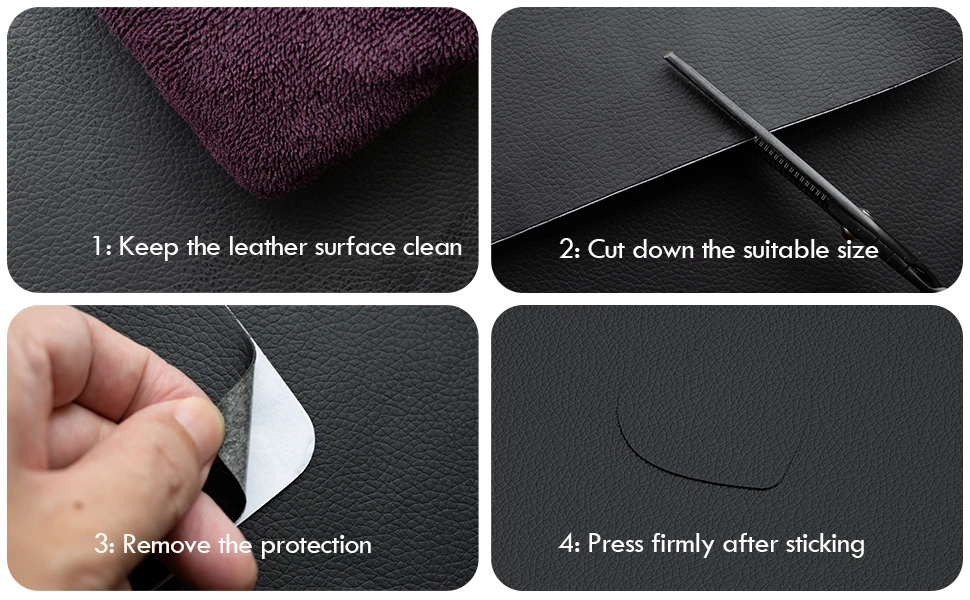
This is where the efficiency of the Micter method shines. Unlike complex liquid kits that require sanding and long drying times, our solution utilizes a durable self-adhesive leather patch. This approach instantly addresses peeling leather steering wheel issues. It is a simple patch application, but the leather looks as good as new, offering a DIY leather steering wheel fix that saves time while delivering professional-grade durability.
Tips for Making the Leather Repair Last Longer
To ensure your leather steering wheel repair stands the test of time, you need to treat the leather as the investment it is. The finish applied during restoration is permanent and durable, but it still faces daily abuse from sweat, oils, and friction. Proper maintenance is the only way to prevent the cycle of wear from starting all over again.
- Routine Conditioning: Use the Leather Conditioner included in your kit regularly. It replaces natural oils that evaporate over time, keeping the material soft and supple so it doesn\’t crack.
- Keep it Clean: Body oils and hand sanitizers are the main culprits that destroy leather finishes. Wipe down the wheel often with a dedicated Leather Cleaner to remove these contaminants before they break down the topcoat.
- Avoid Harsh Chemicals: Never use household cleaners or generic \”all-purpose\” sprays. These can strip the custom color you just applied.
While a self-adhesive leather patch is excellent for fixing rips in seats or door panels, a steering wheel requires liquid maintenance to retain that smooth, factory feel. Protecting the surface from UV exposure and strictly managing oil transfer will keep your interior looking brand new for years.
Common Mistakes to Avoid During Restoration
Taking on a leather steering wheel repair yourself feels rewarding, but a few simple errors can completely ruin the finish. I have seen plenty of DIY projects go south simply because people rushed the process or ignored the instructions. To make sure your steering wheel restoration kit delivers professional results, you need to steer clear of these common pitfalls.
Risks of Over-Sanding
One of the most frequent mistakes is getting too aggressive with the sandpaper. The goal is to smooth out the peeling leather steering wheel surface and create a key for adhesion, not to grind the leather down until the grain disappears. If you sand too deep, you damage the structural integrity of the material, and the repaired area will look flat and unnatural compared to the rest of the wheel.
The Consequence of Poor Prep
I cannot stress this enough: never skip the cleaning stage. The main culprit behind a failed fix cracked steering wheel leather attempt is trapped grease and body oils. If you don\’t thoroughly degrease the surface, the leather filler for steering wheel cracks and the dye lifts off within weeks. For those dealing with jagged, peeling edges, using a comprehensive leather craft set allows you to trim loose bits precisely before you start scrubbing, ensuring a stable base for repairs.
Color Mismatching and Rushing
Patience is everything here. Rushing the drying times between coats leads to a tacky texture that feels like a sticky steering wheel repair gone wrong. Furthermore, failing to test your leather steering wheel color restorer can result in a patchy look. Always apply the dye in thin, even layers and let each one cure fully to avoid texture issues and ensure the color blends seamlessly.
Frequently Asked Questions About Steering Wheel Repair
How long does a DIY leather steering wheel repair last?
When you use a high-quality leather steering wheel repair kit, the results are designed to be permanent, not just a temporary cosmetic fix. Unlike cheap silicone covers that hide the damage, a proper restoration involves deep cleaning, filling, and recoloring that bonds directly with the material. If you follow the prep instructions correctly—removing all body oils and grease—your steering wheel restoration can last for years, often outlasting the rest of the car\’s interior finish.
Can I change the color of my steering wheel using a repair kit?
Yes, you can, but it requires more effort than a simple touch-up. A leather steering wheel color restorer or dye is opaque enough to cover the original shade, allowing you to switch from tan to black or grey. However, for the best results, I always recommend restoring the original color. Custom color matching ensures that if the dye wears slightly over high-friction areas years down the line, it won\’t show a contrasting color underneath. If you are looking to revamp your entire interior, checking guides on how to repair peeling leather can help you understand the coloring process better.
Is it better to repair or replace a peeling steering wheel?
For 90% of cases, a DIY leather steering wheel fix is far more cost-effective. Replacing a steering wheel can cost hundreds of dollars for the part alone, plus labor fees for airbag removal and installation. A peeling leather steering wheel usually only suffers from surface damage; the core structure is solid. By using a specialized steering wheel restoration kit to sand down the roughness and refill the grain, you save money and retain the original OEM wheel. Restoration is an investment in your vehicle’s value, returning it to a \”like-new\” condition without the heavy price tag of replacement.