Is there anything worse than spotting a fresh tear on your favorite leather sofa or a deep scratch on your car’s interior?
You might think your only options are expensive professional reupholstery or tossing the furniture out entirely.
But you’d be wrong.
In fact, there is a DIY leather restoration trick that saves you hundreds of dollars and takes just minutes to apply.
It’s called a leather repair patch.
Whether you are dealing with frustration over pet damage repair, a nasty sofa tear fix, or worn-out car seat leather, a simple peel-and-stick solution is often all you need. With a quality option like Micter, a simple patch and the leather is as good as new.
In this guide, I’ll show you exactly how to choose the best self-adhesive leather patch, avoid common mistakes, and get a seamless finish that lasts.
Ready to save your furniture?
Let’s dive in.
Would you like me to write the next section on \”Understanding Leather Damage and Why Patches Work\”?
Understanding Leather Damage and Why Patches Work
Is there anything more frustrating than spotting a jagged tear on your favorite couch or a cigarette burn on a car seat? We know the feeling. Whether it is from a pet\’s claws or just years of wear, that damage makes the whole piece look tired. But before you drag that furniture to the curb or call an expensive upholsterer, realize that a leather repair patch is often the smartest, most cost-effective fix.
Common Leather and Vinyl Issues
Damage happens, and it usually strikes high-traffic areas first. Identifying the specific type of damage helps in selecting the right adhesive leather fix. Here is what we see most often:
- Tears and Rips: Sharp objects or stress on seams causing the material to split.
- Pet Damage: Cat scratches on leather or dog bite marks that puncture the surface.
- Holes and Burns: Accidents involving cigarettes or dropped embers.
- Peeling Surfaces: Common with faux leather patches needed for bonded leather that flakes over time.
- Cracks: Dryness causing older leather or vinyl to fracture.
Real vs. Faux: Does It Matter?
Whether you are dealing with genuine hide, looking for a vinyl repair kit solution, or fixing synthetic upholstery, the goal is the same: stop the damage from spreading.
- Real Leather: Fibrous and porous. Requires a patch that breathes and flexes.
- Vinyl/Faux: Smooth and non-porous. These surfaces need a strong self-adhesive leather patch that won\’t slide off the plastic-like finish.
The beauty of modern patches is their versatility; a high-quality leather upholstery repair patch creates a durable bond regardless of the base material.
Why Choose a Leather Repair Patch?
Why opt for a peel-and-stick solution over complex liquid kits or professional restoration? It comes down to speed and simplicity. We designed our approach to be tool-free because DIY leather restoration shouldn\’t be a headache.
| Feature | Benefit of Using a Patch |
|---|---|
| Application Speed | Apply in seconds. No drying time needed for the glue. |
| Tools Required | None. No heat guns, mixing bowls, or color matching fluids. |
| Durability | Waterproof leather tape style backing prevents peeling. |
| Flexibility | Moves with the furniture so the repair doesn\’t stiffen or crack. |
| Cost | A fraction of the price of reupholstering. |
Using a leather chair repair patch eliminates the mess. You simply clean, peel, and stick. It provides immediate structural support, effectively hiding the sofa tear fix while preventing the hole from getting any bigger.
Would you like me to explain the specific types of patches available and which one fits your furniture best?
Types of Leather Repair Patches
When shopping for a leather repair patch, you usually face a choice between instant adhesive solutions and complex liquid repair kits. Liquid kits often involve mixing heat-cured fillers and matching dyes, which can be messy and time-consuming. In contrast, a self-adhesive leather patch is the modern standard for DIYers—it requires no special tools, offering a simple \”peel and stick\” application that bonds instantly.
Sizes and Formats
Patches come in various cuts to suit different levels of damage.
- Small Sheets: Ideal for cigarette burns or small punctures.
- Leather Repair Tape: A long, narrow format perfect for covering split seams or long scratches.
- Large Rolls: Best for extensive damage. We recommend using a large adhesive leather repair patch to cover entire cushion panels or armrests seamlessly.
Material Composition: PU vs. Genuine
While you might think you need genuine hide, high-quality vinyl repair kit materials or PU leather are often superior for patches. They are inherently waterproof, scratch-resistant, and offer consistent grain patterns. A well-made faux leather patch provides the flexibility needed to stretch with your furniture, preventing the repair from lifting when you sit down.
When to Choose Patches Over Liquid Kits
Understanding the nature of your damage helps you pick the right tool.
| Feature | Adhesive Leather Fix (Patch) | Liquid Repair Kit |
|---|---|---|
| Best For | Tears, holes, rips, and cracks | Surface fading and light scuffs |
| Application Time | Seconds (Peel and stick) | Hours (Drying and curing) |
| Durability | High (Reinforces the structure) | Moderate (Cosmetic mainly) |
If your sofa or car seat has a physical tear where the material has separated, a leather patch kit is the only reliable solution to bridge the gap and stop the damage from spreading. Our 4-piece self-adhesive leather patches are designed specifically for these high-stress areas, providing a heavy-duty bond that liquid fillers cannot achieve.
Key Takeaway
For structural repairs like a sofa tear fix or a hole in a jacket, skip the glue and opt for a specialized adhesive leather repair patch. It provides immediate structural support and a clean finish.
Key Features to Look for in a Quality Leather Repair Patch
Not all repair materials are created equal. When I source products for our inventory, I focus on specific characteristics that ensure a repair lasts longer than a few days. A high-quality leather repair patch needs to be more than just a sticker; it needs to become part of your furniture.
Strong, Flexible Adhesion
The most critical factor is the glue. A standard adhesive leather fix might hold for a moment, but it will fail once you sit on it. You need an industrial-strength adhesive that stays flexible. Whether it is a couch repair patch or a fix for a car seat, the material must stretch and move with the cushion without lifting at the corners.
Seamless Color and Texture Matching
A patch shouldn\’t look like a bandage. To get a truly invisible repair, the peel and stick leather patch must match both the shade and the grain of your original item. Whether you are looking for a standard black or a specific brown leather repair patch, the surface texture should mimic the natural pores of real hide or the consistent grain of vinyl.
We prioritize variety in our stock, which is why our self-adhesive faux leather comes in multiple colors and realistic textures to ensure a perfect blend with your upholstery.
Durability and Eco-Friendly Materials
ly, the material itself must be robust. A good leather furniture repair patch should be scratch-resistant (great for pet owners) and waterproof. I also look for thin, tapered edges which help the patch blend seamlessly into the surrounding surface, preventing it from snagging on clothing.
Quick Guide to Essential Features:
| Feature | Why It Matters |
|---|---|
| High-Viscosity Glue | Prevents lifting and withstands friction from daily use. |
| Waterproof Surface | Acts like waterproof leather tape, allowing for easy cleaning. |
| Thin Profile | Ensures the patch lies flat and feels natural to the touch. |
| Eco-Friendly/Vegan | Provides a safe, non-toxic repair solution for homes with kids and pets. |
By focusing on these specs, you ensure your color match leather repair isn\’t just a quick fix, but a long-term restoration.
Would you like me to detail the specific steps for measuring and cutting the patch for a perfect fit?
Top Recommendations for Leather Repair Patches
Finding the right solution can be overwhelming with so many options on the market. Whether you are fixing a small scratch on a jacket or a large tear on a sofa, the quality of the leather repair patch you choose makes all the difference between a temporary fix and a lasting restoration. Based on my experience in the industry, here is what I recommend for getting the best results.
The Micter Advantage: Simple and Reliable
When it comes to balancing ease of use with professional-grade results, my top recommendation is our own Micter line. We designed these specifically because we saw that generic tapes often peeled off way too quickly. With a Micter adhesive leather repair patch, simplicity is key. You don\’t need heat, messy glues, or complex tools. It really is just a simple patch, and the leather looks as good as new.
Our patches are favored for their high-strength adhesive that actually cures and bonds over time, rather than just sitting on the surface. If you are unsure about the process, you can check out our detailed guide on how to repair leather furniture to see just how seamless the application can be. We focus on realistic grain patterns so that once you apply the peel and stick leather patch, it blends right in with your existing upholstery.
Comparing Options: Patches vs. Rolls
While I stand by our pre-cut patches for most common damages, it is important to understand when to use different formats. Here is a quick breakdown of how standard patches compare to other options like leather repair tape rolls.
| Feature | Pre-Cut Micter Patch | Large Repair Rolls | Multi-Pack Kits |
|---|---|---|---|
| Best For | Tears, holes, and burns on furniture or car seats | Long rips, seams, or reupholstering large panels | Multiple small scratches or testing colors |
| Ease of Use | High (Peel, stick, done) | Medium (Requires measuring and cutting straight lines) | High (Various sizes ready to go) |
| Adhesion | Strong, designed for flexibility | Good, but edges may lift on long strips | Varies by brand quality |
| Finish | Textured edges for blending | often straight cut, visible seams | Standard shapes |
Choosing Value and Quality
When shopping for a leather patch kit or individual adhesive sheets, don\’t just look at the price tag. Look for user ratings that specifically mention longevity. A cheap vinyl repair kit might save you money today but will likely peel up in a week.
- Size Variety: Ensure the brand offers sizes that cover your damage with at least an inch of overlap on all sides.
- Color Matching: Look for options with a wide range of shades. A black leather chair repair patch is easy to find, but finding the perfect dark brown or beige requires a brand with a good color palette.
- Durability: You want a material that is waterproof and scratch-resistant, especially for households with pets.
Ultimately, value comes from a repair you only have to do once. Whether you choose a Micter patch for its reliability or a large roll for a massive project, prioritizing the adhesive quality is the most important step.
Would you like me to outline the specific steps for preparing the leather surface before applying these patches?
Step-by-Step Guide: How to Apply a Leather Repair Patch
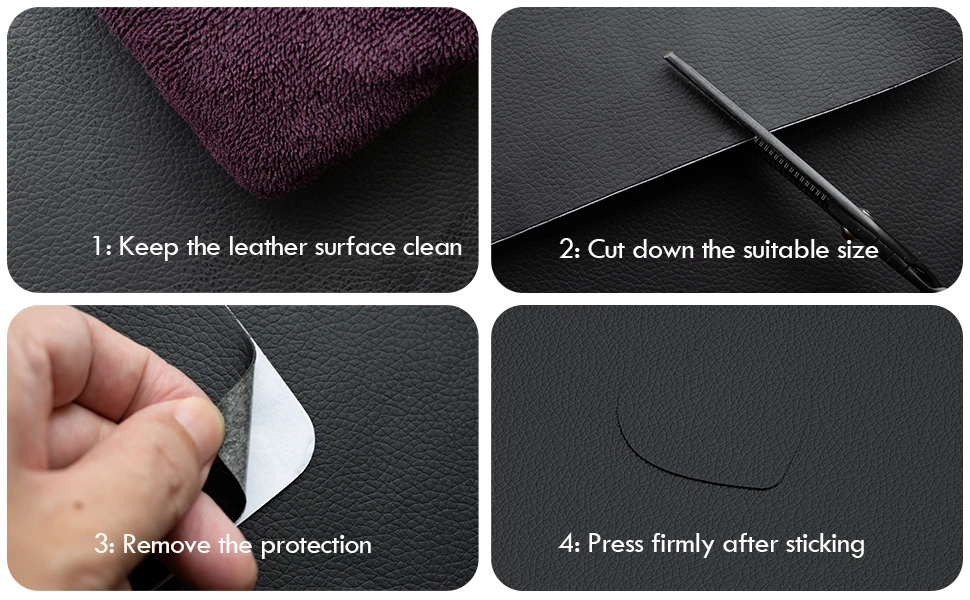
Applying a leather repair patch is straightforward, but doing it right is the difference between a quick fix that peels off in a week and a permanent solution. I treat this DIY leather restoration process like applying a screen protector to a phone—preparation is everything. Whether you are working with a couch repair patch or fixing a car seat, follow this exact method for the best adhesion.
Before you begin, make sure you have a reliable set of PU leather patches that closely matches the texture of your item. Once you have your materials, here is how to get professional results:
1. Surface Preparation
This is the most critical step. Adhesives hate dust and oil.
- Clean thoroughly: Wipe the damaged area with rubbing alcohol to remove body oils, dirt, and residue. Let it dry completely.
- Trim the damage: If there are ragged edges or loose threads around the tear, snip them off with sharp scissors. You want the surface to be as flat as possible.
2. Measuring and Cutting
Don\’t just slap a square piece over a round hole.
- Size it up: Cut your adhesive leather fix so that it extends at least one inch (2.5 cm) beyond the damage on all sides. This extra surface area is vital for grip.
- Round the corners: Always cut rounded corners on your patch. Sharp corners snag easily and are the first place a patch will start to peel.
3. Application (Peel and Stick)
- Peel partially: Peel back just one edge of the backing paper.
- Align and press: Stick the exposed edge down first, ensuring it covers the damage. Slowly peel off the rest of the backing while smoothing the patch down with your other hand.
- Eliminate bubbles: Use a smooth object (like the back of a spoon) or your thumb to press firmly from the center out to the edges. This activates the pressure-sensitive adhesive and pushes out trapped air.
4. Curing Time
Patience pays off here. While most peel and stick leather patches stick immediately, the bond strengthens over time.
- Wait 24 hours: Try to avoid sitting on the sofa or using the repaired item for a full day. This allows the adhesive to cure and bond permanently with the fibers.
Pro Tips for Deep Tears
If you are dealing with a gaping hole rather than a surface scratch, the patch might sag in the middle.
- Use a sub-patch: For large holes, insert a small piece of fabric or another piece of leather inside the hole (glue side up if it\’s adhesive) to create a level foundation before applying the main leather repair patch on top.
- Heat assists: If the patch feels stiff, briefly warming it with a hair dryer (low heat) can make it more pliable and help it mold to the curves of your furniture.
Next Step: Now that your patch is applied and curing, let\’s look at the common mistakes people make that cause repairs to fail—and how you can avoid them.
Common Mistakes to Avoid with Leather Repair Patches
Even the best leather repair patch can fail if you rush the process. I\’ve seen plenty of DIY attempts go wrong simply because a few basic rules were ignored. To make sure your repair lasts, here is how to troubleshoot and avoid the most common pitfalls.
Skipping Surface Preparation
This is the number one reason for failure. If you stick an adhesive leather fix directly onto a greasy or dusty surface, it will peel off within days. Oils from your skin, old conditioners, and dust create a barrier that kills the adhesion.
- The Fix: Always wipe the damaged area with rubbing alcohol and let it dry completely before applying the patch.
Mismatched Colors and Textures
A patch that is a slightly different shade or has a different grain pattern will stand out like a sore thumb. Don\’t just guess \”dark brown\”; compare the texture and tone closely.
- The Fix: If you realize the shade is off after receiving your order, don\’t force it. Check our exchanges and returns policy so we can help you swap it for the perfect color match leather repair.
Ignoring High-Friction Zones
Applying a patch right where your legs slide off a car seat or where a sofa armrest bends requires extra care. A standard application might lift due to constant rubbing and movement.
- The Fix: Always round the corners of your self-adhesive leather patch. Sharp corners catch on clothing and peel up easily, while rounded edges allow the patch to blend and stay put.
Dealing with Lifting Edges
If the edges start to curl up after a few days, it usually means the patch wasn\’t pressed down hard enough initially or the surface wasn\’t dry.
- The Fix: Use a hairdryer on low heat to warm the adhesive slightly, then press firmly. This reactivates the bond on the leather furniture patch repair and helps it grip the surface better.
Real Results: Leather Repair Patch Success Stories
When you tackle a restoration project, you want to know if the end result is actually worth the effort. In my experience, a high-quality leather repair patch completely transforms damaged items, turning eyesores into functional furniture again. The results speak for themselves when you see a gaping hole in a couch repair patch job vanish under a textured, durable layer.
Here is what you can typically expect across different applications:
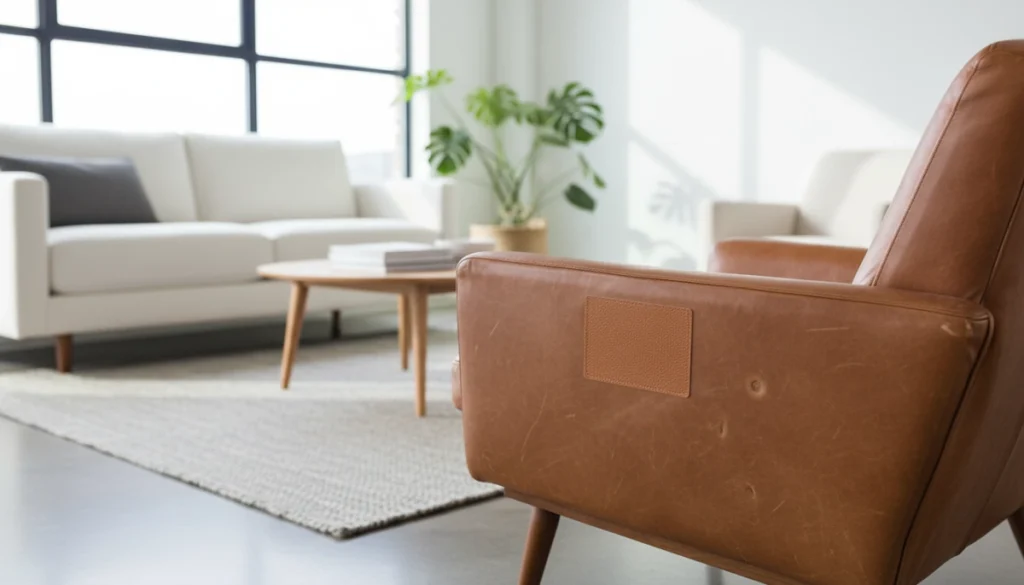
- Sofas and Chairs: The most common use. A patch effectively seals tears on armrests and cushions, preventing the foam from falling out. With the right grain match, the repair becomes nearly invisible at a casual glance.
- Car Interiors: Car seat leather repair is tricky due to high friction. However, a strong self-adhesive patch holds up surprisingly well against the daily sliding of entering and exiting the vehicle.
- Jackets and Bags: For fashion items, placement is key. Patches work best on panels or structured areas.
Tips for Pet Damage and DIY Leather Restoration
Pet damage repair leather jobs are the most satisfying because they save you the most money. I often see customers use large adhesive sheets to cover extensive cat scratching on sofa corners. Not only does this hide the shredded vinyl or leather, but the smooth surface also discourages cats from scratching that spot again.
To get that \”pro\” finish during your DIY leather restoration:
- Round the Corners: Always cut your patch with rounded corners to prevent peeling.
- Heat it Up: Briefly warming the patch with a hair dryer (low heat) after application helps the adhesive cure faster.
- Blend the Edges: If the color match isn\’t 100% perfect, you can carefully feather the edges using leather dye marker pens to help the patch disappear into the surrounding material.
When to Call a Professional
While a leather patch kit is a miracle worker for cosmetic damage, cuts, burns, and peeling, it has limits. If the structural integrity of the furniture is compromised (like a broken frame) or if the leather is dry-rotting across the entire piece, a patch is just a band-aid. However, for 95% of surface issues, doing it yourself is the most logical and cost-effective choice.
Maintenance After Repair
You have successfully applied your leather repair patch, but the job isn\’t quite finished yet. To ensure the adhesive leather fix stays secure and looks good for the long haul, you need to treat the repaired area with a bit of strategy. Proper aftercare prevents the edges from lifting and keeps the material blending seamlessly with the rest of your furniture or car seat.
Cleaning Repaired Areas Gently
The golden rule here is to be gentle. Vigorous scrubbing can peel back the edges of even the strongest leather furniture patch.
- Use a Soft Cloth: Wipe the area with a microfiber cloth slightly dampened with water or a mild, pH-neutral cleaner.
- Avoid Soaking: Never let water sit on the patch, especially around the seams where the adhesive meets the original leather.
- Skip Harsh Chemicals: Bleach, ammonia, and abrasive scrubbers will degrade the faux leather patch surface and dissolve the glue.
Preventing Future Damage
If your tear was caused by a pet or high friction, you need to address the root cause to save your DIY leather restoration. For households with cats, applying a safe pet deterrent spray to the surrounding area can stop them from scratching the same spot again.
Regular conditioning keeps the original leather flexible, preventing new cracks from forming near the patch. However, do not apply conditioner directly over the patch edges immediately after application, as oils can weaken the bond. If you find yourself constantly battling wear and tear and want to upgrade your repair game for bigger projects, having a comprehensive 26 set leather working equipment kit can help you tackle more advanced stitching or restoration tasks in the future.
Longevity Expectations
How long will it last? That depends on usage.
- Low-Traffic Areas: On the back of a sofa or a handbag liner, a quality leather repair patch can last for years.
- High-Traffic Areas: On a seat cushion or armrest, expect a lifespan of 6 to 12 months before the edges might need a touch-up.
- Assessment: Check the patch monthly. If an edge lifts, press it down immediately or apply a tiny drop of additional leather glue to seal it back up.
Next Step: Would you like me to compile the \”Frequently Asked Questions\” section to address common concerns about durability and color matching?
Frequently Asked Questions About Leather Repair Patches
Here is a quick rundown of the most common questions we get from customers looking for a reliable leather repair patch.
What is the best leather repair patch for couches?
The best couch repair patch needs to be thin enough to blend in but tough enough to handle daily sitting. You want a leather furniture repair patch that mimics the natural grain of your sofa. We specifically designed our premium leather repair patches to offer that balance of flexibility and durability, ensuring they don\’t peel up when you sit down.
Do self-adhesive patches really last?
Yes, provided the surface is prepped correctly. A high-quality self-adhesive leather patch uses industrial-strength glue that cures over 24 hours. If you clean the area with alcohol first to remove oils, the adhesive leather fix can last for years without lifting at the edges.
How to match colors perfectly?
Achieving an invisible color match leather repair is the goal. Since screens vary, we recommend comparing your item to our color swatches in natural daylight. If you are unsure, opting for a standard black or dark brown leather repair patch is often the safest bet for blending with most common furniture styles.
Can patches fix cat scratches on leather?
Absolutely. Pet damage repair leather is one of the most popular uses for our products. If your cat has shredded an armrest, a wide peel and stick leather patch can cover the entire damaged area, preventing the scratches from turning into larger holes.
Are they suitable for car seats?
Yes, but you need a patch that handles heat. Car seat leather repair demands a material that won\’t get sticky in the summer or brittle in the winter. Our patches are engineered to withstand the temperature fluctuations inside a vehicle, making them ideal for automotive interiors.
For more detailed guides on fixing specific items, check out our leather restoration blog.
Next Step: Would you like me to write a concluding that reinforces the cost-saving benefits of using these patches compared to professional upholstery services?