
Nothing hurts more than seeing your beloved pet turn your expensive furniture into a scratching post.
You might think the damage is permanent…
But it doesn\’t have to be.
In this guide, I’m going to show you a proven, step-by-step process for leather couch cat scratch repair that actually works.
Whether you are dealing with light surface marks or deep punctures, you’ll learn how to restore your sofa to its former glory without spending a fortune on a professional.
Let’s get those scratches fixed.
Assessing the Damage to Your Leather Couch
Before beginning any leather couch cat scratch repair, it is crucial to evaluate the severity of the damage. Cat claws can inflict various levels of trauma on furniture, ranging from minor cosmetic blemishes to deep structural tears. Understanding the specific type of damage ensures you select the correct restoration method and products, such as the appropriate filler or colorant, to achieve a professional-grade result at home.
Identifying Surface Scuffs and Light Scratches
Surface scuffs occur when a cat’s claws have not cut all the way through the leather but have damaged the top finish. In these instances, the leather may feel rough to the touch or appear discolored where the pigment has been abraded.
- Visual Check: Look for areas that appear lighter than the surrounding leather or have a \”chafed\” texture.
- Tactile Check: Run your hand over the area; if the leather is intact but rough, it is likely a surface scuff.
- Repair Implication: These areas typically require smoothing and can often be restored using Flexifil, a product designed for high-use areas or extensive surface damage.
Recognizing Deep Gouges and Loose Fibers
Deep scratches are more severe and happen when the claws puncture the leather hide. This type of damage is characterized by visible cuts and structural compromises in the material.
- Loose Fibers: You will often see fibrous material sticking out of the cuts, giving the leather a ragged appearance.
- Jagged Edges: Unlike a clean slice, cat scratches often leave uneven, jagged edges that require preparation before filling.
- Repair Implication: To fix this, you must trim the loose fibers first. These repairs generally require a Heavy Filler to fill the void and create a level surface before coloring.
Determining Your Leather Type: Real, Synthetic, or Bonded
To ensure the repair products adhere correctly and last, you must confirm your furniture material. The restoration products and techniques outlined for leather couch cat scratch repair are formulated to work effectively on most standard furniture leathers.
- Compatibility: The repair process, including the use of fillers and colorants, is suitable for pigmented leather, semi-aniline, bi-cast, and faux leather.
- Exclusions: Do not attempt these specific repair methods on Suede or Nubuck. These absorbent materials require different treatments, and standard fillers or paints will ruin their texture.
- Verification: If the leather has a sealed surface (water beads up rather than soaking in immediately), it is generally a candidate for this repair process.
Essential Tools and Materials for Leather Repair
To successfully handle a leather couch cat scratch repair, you need specific products designed to restore the material, not just cover it up. Using the right professional-grade materials ensures the repair is durable, flexible, and blends seamlessly with the rest of the furniture.
Leather Cleaners and Prep Solutions
The first step in any cat scratch leather repair is decontamination. You cannot simply paint over the damage; the area must be chemically prepared to ensure adhesion.
- Leather Prep: This is used to remove the manufactured finish on the leather. It exposes the raw material so the filler and colorant can bond properly.
- Alcohol Cleaner: After stripping the finish, use an alcohol cleaner to remove any remaining grease, wax, or silicone residues.
Before applying chemical solutions, you may need to trim loose fibers or tags created by the claws. having a reliable set of professional leather craft tools ensures you have the precision instruments needed to clean up the ragged edges before starting the chemical process.
Heavy Fillers and Leather Glue
Choosing the right filler depends entirely on the severity of the damage.
- Heavy Filler: This is a thick paste used for filling deep scratches and jagged gouges. It fills the void left by the claw and creates a level surface. You will typically apply this with a palette knife or spatula.
- Flexifil: For surface scuffs or areas with heavy use, Flexifil is preferred. It is extremely flexible and designed to move with the leather, making it ideal for high-traffic seating areas where a stiff filler might crack.
Sandpaper, Colorants, and Finishers
Achieving an invisible repair leather cat scratch result relies on sanding and proper coloring.
- Sandpaper: You will need 320 grit sandpaper to smooth down the filler and prep the surface. Later, 1200 grit sandpaper is used to smooth the applied colorant and finish.
- Leather Colorant: This restores the color to the repaired area. It is best applied with a sponge in thin layers to build up the shade gradually.
- Leather Finish: The final step involves sealing the color. This protects the repair from wear and matches the sheen (matt or gloss) of the rest of the couch.
How to Repair Light Surface Scratches
Cleaning and Prepping the Area
Before applying any repair products, I always ensure the leather is completely free of contaminants. Using a specialized Leather Prep and Alcohol Cleaner is the most effective way to remove dirt, grease, and the original manufactured finish from the damaged area. This step is critical because silicones and waxes can prevent repair materials from adhering correctly. I gently wipe the area down to expose the raw leather underneath, creating a clean base for the restoration work. For a comprehensive overview of the restoration process, you can check our guide on how to repair leather couch scratch issues effectively.
Applying Leather Oil or Conditioner
Once the area is clean, addressing the dryness of the scuff is essential. Light scratches often appear lighter than the surrounding leather because the surface fibers have been abraded. While professional colorants are used for complete restoration, applying a conditioning agent can sometimes rehydrate these fibers and blend minor marks. If you prefer natural home remedies for very minor surface abrasions, you might explore techniques to repair cat scratch on leather with olive oil, although professional colorants are recommended for a permanent fix. For scuffs where the color is intact but the surface is rough, a small amount of binder or conditioner helps smooth the fibers back down.
Buffing the Leather for a Seamless Look
To achieve a professional-grade finish, the texture of the repaired area must match the rest of the furniture. I use fine 1200-grit sandpaper to gently buff the area after applying any fillers or colorants. This step removes high spots and ensures the surface feels smooth to the touch. After sanding, I apply a Leather Finish to seal the repair. This locks in the color and adjusts the sheen—whether matte or gloss—to blend perfectly with the original leather, making the leather couch cat scratch repair virtually invisible.
Step-by-Step Guide to Fixing Deep Cat Scratches
When dealing with significant damage, a simple touch-up won\’t suffice. My approach to leather couch cat scratch repair involves a structured process to restore the structural integrity of the material before addressing the aesthetics. This method ensures the repair is durable and flexible enough to withstand daily use.
Trimming Loose Fibers and Applying Leather Glue
The first step in any professional-grade restoration is preparation. Before adding any new material, I need to ensure the area is clean and stable. I use Leather Prep and Alcohol Cleaner to remove surface grease, waxes, and the original manufactured finish. This is critical because repair products will not adhere properly to a treated surface.
If the cat scratch leather repair involves rough, jagged edges, I assess the damage to see if there are loose fibers. While the primary goal is to create a smooth base, cleaning the area thoroughly ensures that subsequent fillers bond directly to the leather fibers rather than sitting on top of dirt or oil.
Filling the Scratches with Leather Filler
For deep gouges and claw marks, I rely on Heavy Filler. This product is specifically designed to fill the void left by the scratch. Unlike standard conditioners, this filler has a thick consistency that allows it to sit in the damage without sinking.
- Application: I use a palette knife or spatula to press the filler into the scratch.
- Technique: I smooth the filler level with the surface of the leather to minimize sanding later.
- Drying: I allow the filler to dry completely. As it dries, it may shrink slightly, requiring a second application to ensure the surface is perfectly flush.
For areas with widespread, lighter scuffs surrounding the deep scratch, I might switch to Flexifil, which is better suited for high-flex areas. If you are unsure about the severity of the damage, you can read more about how to repair leather couch scratch damage effectively.
Sanding and Smoothing the Repaired Surface
Once the filler is dry, the texture will likely be rougher than the surrounding leather. To achieve a professional result, sanding is non-negotiable. I use 1200 grit sandpaper to gently smooth down the filler.
The goal here is to make the filled area level with the rest of the couch. I sand gently to avoid damaging the surrounding good leather. If I find any low spots after sanding, I apply another thin layer of filler and repeat the process. This step ensures that the repair leather cat scratch work is invisible to the touch.
Applying Colorant and Protective Finish
The final stage brings the leather back to life. I use a Leather Colorant that matches the original shade of the furniture.
- Application: Using a sponge, I apply the colorant in thin layers.
- Technique: I use a dabbing motion. This is crucial because wiping can create streaks, whereas dabbing mimics the natural grain of the leather.
- Building Color: I apply multiple thin coats rather than one thick coat, allowing each to dry.
Once the color is consistent, I seal the repair with a Leather Finish. This locks in the color and matches the sheen (matte, satin, or gloss) of the rest of the sofa. This step is vital for a long-lasting cat scratch leather couch repair, as it protects the new color from rubbing off or fading over time.
Choosing the Right Leather Repair Kit
Key Features of High-Quality Repair Kits
When I look for a solution for leather couch cat scratch repair, I don\’t just grab the first box on the shelf. A professional-standard restoration requires a specific set of components to ensure the repair lasts and looks natural. The most effective kits are comprehensive, addressing every stage of the repair process from preparation to the final top coat.
A complete kit should include:
- Prep and Cleaning Fluids: You need a Leather Prep and Alcohol Cleaner to remove the manufactured finish and silicone. If you skip this, the new color won\’t stick.
- Specialized Fillers: Look for Heavy Filler for deep gouges and Flexifil for surface scuffs. These products are designed to be extremely flexible so they move with the leather without cracking. You might also find a high-quality leather repair gel useful for filling gaps effectively.
- Sanding Materials: The kit must have specific grits. I use 320 grit for the initial prep and 1200 grit for smoothing the filler and colorant.
- Application Tools: A palette knife or spatula is essential for spreading filler, while a sponge is needed for dabbing on colorant to replicate the leather grain.
Tips for Perfect Color Matching
Achieving an invisible cat scratch leather couch repair relies heavily on color accuracy. If the color is slightly off, the patch will stand out more than the scratch did.
- Layering: I apply the Leather Colorant in thin layers. Thick coats look artificial and plastic-like.
- Dabbing Technique: Instead of painting with a brush, I use a sponge to dab the color onto the repaired area. This texture mimics the natural grain of the leather, helping the repair blend seamlessly with the surrounding material.
- Finish Alignment: The color isn\’t the end. You must apply a Leather Finish that matches the sheen (matte, satin, or gloss) of your couch to seal the color and protect it from future wear.
Comparing DIY Kits vs. Professional Grade Products
There is a significant difference between a quick-fix patch and a professional restoration product. For a repair leather cat scratch job that restores the value of the furniture, I always opt for professional-grade solutions that allow for sanding and refinishing.
| Feature | Standard DIY Patch Kits | Professional Restoration Products |
|---|---|---|
| Method | Stick-on patches or markers | Fill, sand, and recolor |
| Finish | Often visible edges | Seamless, invisible blend |
| Flexibility | Can peel or stiffen | Flexes with the leather |
| Durability | Temporary fix | Long-lasting restoration |
| Suitability | Best for hidden tears | Ideal for visible cat scratch leather repair |
Using the right tools, like a proper heavy filler and finish, transforms a damaged piece of furniture rather than just covering up the problem. This approach extends the life of the leather significantly.
How to Prevent Future Cat Scratches on Leather
After investing time in a leather couch cat scratch repair, protecting that fresh surface is critical. The professional-grade products used, such as heavy fillers and flexible finishes, are designed to be durable and move with the leather. However, even the strongest restoration needs protection from sharp claws to maintain that seamless look.
Providing Effective Scratching Post Alternatives
Cats scratch naturally to mark territory and maintain their claws. If they do not have a designated spot, they will return to your furniture. To preserve your cat scratch leather repair, place scratching posts or pads immediately next to the areas of the couch that were previously damaged. This helps redirect their behavior away from the repaired leather surface.
Using Cat Deterrents and Furniture Protectors
Physical barriers are often the best way to break a scratching habit while the new finish cures and settles. While our repair method restores the color and sheen, adding extra defense is smart.
- Protective Covers: Use throws or clear guards on armrests.
- Deterrent Sprays: Scents that discourage cats from approaching the furniture.
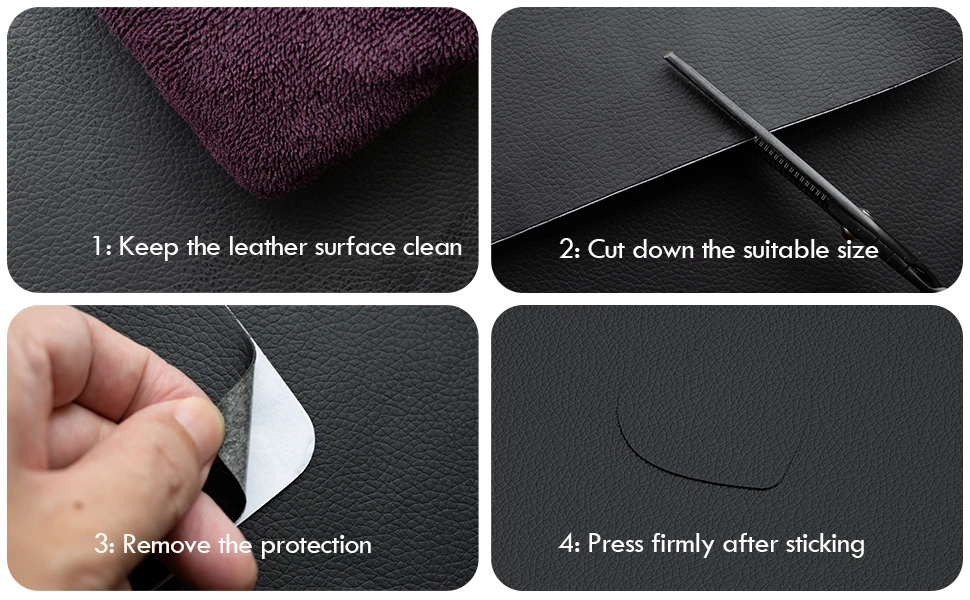
- Patches: For high-traffic corners that face constant abuse, applying a self-adhesive leather patch can provide a heavy-duty shield that prevents new gouges from forming.
Maintaining Your Cat’s Nails and Paw Health
The severity of damage—whether it is a light surface scuff or a deep gouge requiring heavy filler—depends largely on nail sharpness. Regular trimming significantly reduces the need for future cat scratch leather couch repair. When nails are blunt, they are more likely to glide over the leather finish rather than digging in and creating the jagged fibers we worked so hard to sand down and fix.
Long-Term Maintenance for Repaired Leather Furniture
After successfully completing a leather couch cat scratch repair, the goal is to keep that restoration looking seamless for years. The products we used—specifically the Heavy Filler and Flexifil—are designed to be extremely flexible and durable, moving with the leather rather than cracking. However, even professional-grade DIY repairs require sensible care to ensure the Colorant and Leather Finish stay intact against daily wear and tear.
Routine Cleaning and Conditioning Schedules
Maintenance is straightforward because we sealed the repair with a strong Leather Finish. You don\’t need a complicated schedule, but you do need to keep the surface free of abrasive dirt.
- Gentle Cleaning: Wipe down the repaired area regularly to prevent dust from settling into the texture we created with the sponge.
- Avoid Harsh Chemicals: Since we used Alcohol Cleaner during the prep stage to strip old finishes, do not use strong solvents on the finished repair, as this can dissolve the new Leather Colorant.
- Monitor the Repair: Keep an eye on the edges of the filled area. If you notice any lifting, you may need to revisit the process of applying a small amount of colorant and finish.
For a comprehensive look at keeping your furniture in top shape, reviewing a guide on how to repair a leather couch can help you stay prepared for any future touch-ups.
Protecting Leather from Sunlight and Wear
The final step of our cat scratch leather repair involved applying a Leather Finish, which locks in the color and matches the sheen of the rest of the sofa. This layer is your primary defense.
- UV Protection: Direct sunlight can fade the Colorant over time. Position your couch away from harsh window glare if possible.
- Friction Management: While the Heavy Filler is tough, constant scratching in the exact same spot will eventually wear down the finish.
- Physical Barriers: If your cat returns to the same spot, the repair might need reinforcement. In cases where the leather is constantly under attack, using self-adhesive leather patches can provide a heavy-duty shield over the repaired zone.
When to Seek Professional Leather Restoration Services
While our DIY method covers most scenarios, there are limits to what fillers and colorants can achieve on certain materials.
- Material Limitations: As noted in the product specifications, these repair products are suitable for most leather types but do not work on Suede or Nubuck. If your furniture is made of these absorbent materials, you must seek a professional specialist.
- Extensive Damage: If the cat scratch leather couch repair involves structural damage where the leather is ripped all the way through (not just a gouge), or if the area is too large for a palette knife application, professional upholstery services may be required to replace the panel entirely.