The Reality of Leather Aging: Why Colors Fade
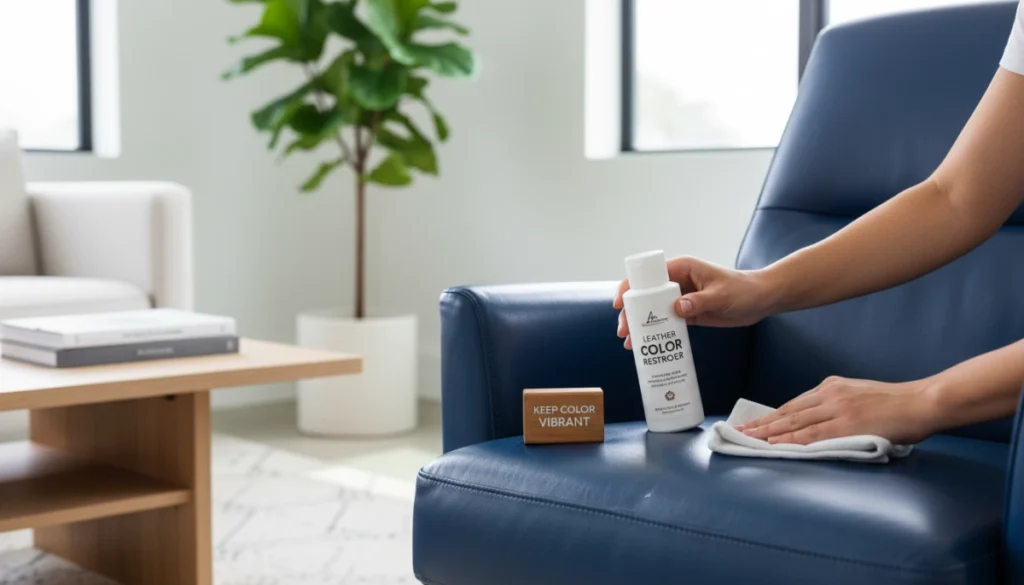
Have you noticed your favorite leather car seats or living room sofa looking a little tired and washed out? As an experienced leather care artisan, I see this all the time. Faded leather isn\’t just a cosmetic annoyance; it is a clear sign of material aging. If you want to keep color vibrant with a leather color restorer, you first need to understand what is actually destroying your leather\’s finish on a daily basis.
Here is exactly why leather loses its original vibrancy over time:
- Daily Wear and Friction: Every time you slide into your car or sit on your couch, micro-friction occurs. Over the years, this constant physical rubbing slowly strips away the protective surface dyes, leaving uneven, dull patches behind.
- Severe Sun Damage: UV rays are absolutely brutal on natural hides. Direct sunlight acts like a slow bleach, chemically breaking down leather finishes at a molecular level. Without proper UV resistance for leather, items placed near windows or exposed to the sun will quickly suffer from severe discoloration.
- Natural Oil Depletion: Leather is a natural skin, which means it relies on essential oils to stay supple and deeply colored. When these natural oils inevitably evaporate or get stripped away by harsh cleaners, the leather dries out. This depletion directly causes a dull, ashy, and completely washed-out appearance.
Understanding these three primary threats is the foundational step in effective leather fade prevention. To stop this aging process and successfully revive dull leather furniture, we have to address the structural damage beneath the surface.
The Science Behind a True Leather Color Restorer
When I look at failing leather treatments, the issue usually comes down to chemistry. If you want to Keep Color Vibrant with a Leather Color Restorer, you need a formula that structurally changes the hide, rather than just masking the problem.
Achieving Deep Pigment Saturation
A genuine Leather Color Restorer does not just sit on the surface like cheap paint. It works through pigment saturation. The micro-pigments penetrate deep into the pores of the hide, replenishing the color from the inside out. This deep absorption is what gives the leather a rich, natural look rather than an artificial, plastic-like finish.
Restoring Absolute Colorfastness
Nobody wants to sit on a newly restored couch only to find the dye transferred onto their clothes. Quality restorers guarantee colorfastness through molecular bonding. The newly applied color chemically locks onto the leather fibers. Whether you are fixing a car interior or properly repairing faded leather furniture, this permanent bond is what ensures long-term fade prevention and everyday durability.
Comparing Leather Treatments
Understanding what you are applying to your leather goods is half the battle. Here is a quick breakdown of how these products actually function:
| Product Category | Mechanism of Action | Ideal Application |
|---|---|---|
| Simple Conditioners | Hydrates the top layer and provides a temporary sheen. | Routine upkeep and basic nourishment. |
| Surface Dyes | Coats the top layer without penetrating the pores. | Temporary touch-ups; prone to cracking. |
| Genuine Color Restorers | Penetrates the hide for deep pigment saturation and molecular bonding. | Permanent DIY leather color restoration and structural repair. |
Core Benefits of Formulated Color Restoration
To genuinely keep color vibrant with a Leather Color Restorer, you need a product that does more than just paint over the surface. A properly formulated restorer delivers three fundamental benefits that ensure your leather goods look fresh and stay protected for years.
Fade Prevention and Colorfastness
Fading happens when weak dyes break down over time. High-quality restorers achieve deep pigment saturation, locking in the color at a molecular level. This ensures exceptional leather colorfastness, preventing the new tint from transferring onto your clothes while offering serious leather fade prevention for the long haul.
UV Resistance for Leather
Direct sunlight destroys leather finishes. A premium restorer acts as a dedicated sunblock for your investments. Whether you are reviving a living room sofa, a vintage jacket, or undertaking car leather seat repair after heavy dashboard sun exposure, built-in UV resistance stops the material from turning dull and washed out.
Structural Integrity
Successfully restoring faded leather is about more than just aesthetics. A true restorer deeply nourishes the internal fibers while depositing rich, vibrant color. This dual-action approach prevents drying, tightens the surface, and maintains the natural, supple feel of the hide.
Quick Breakdown of Restoration Benefits
| Benefit | How It Works | End Result |
|---|---|---|
| Fade Prevention | Locks in pigment saturation molecularly | Long-term color vibrancy and zero dye transfer |
| UV Resistance | Blocks harmful ultraviolet rays | Prevents sun-damaged leather and discoloration |
| Structural Integrity | Conditions and nourishes internal fibers | Soft, durable leather that naturally resists cracking |
Step-by-Step: How to Apply a Leather Color Restorer Like a Pro
Achieving a factory-fresh finish with a Leather Color Restorer comes down to using the right technique. Proper application guarantees maximum pigment saturation and a durable, lasting finish. Follow these core steps to get the job done right.
Step 1: Deep Cleaning and Prep
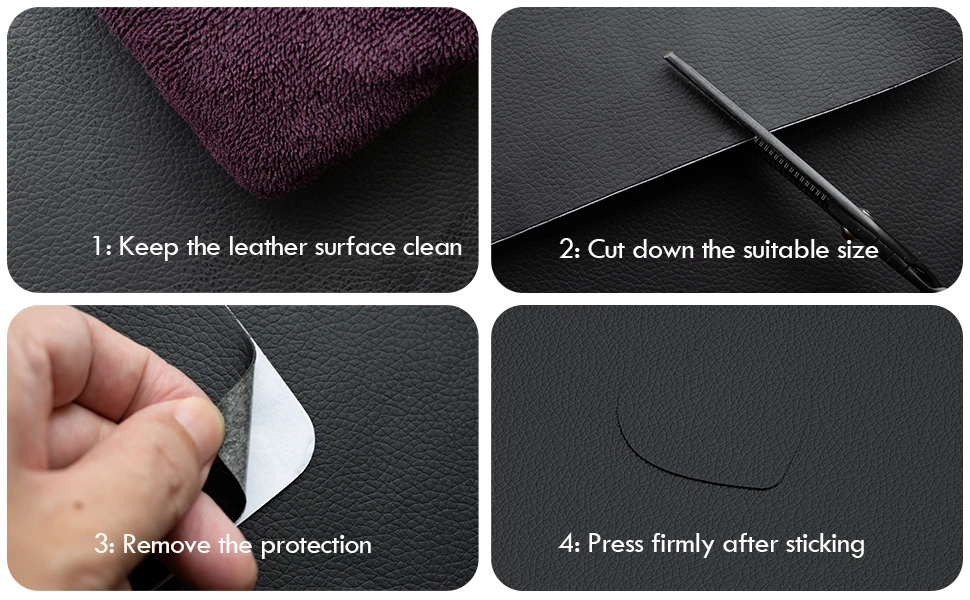
Removing built-up dirt, body oils, and old conditioners is absolutely non-negotiable. If you skip this phase, the new color won\’t bond to the surface. Use a dedicated leather prep cleaner to strip away the grime. If your furniture or car seat has minor physical wear, make sure you repair the scratch in the leather before you start the recoloring process. A smooth, clean canvas is essential for strong adhesion.
Step 2: Testing for Absorbency and Color Match
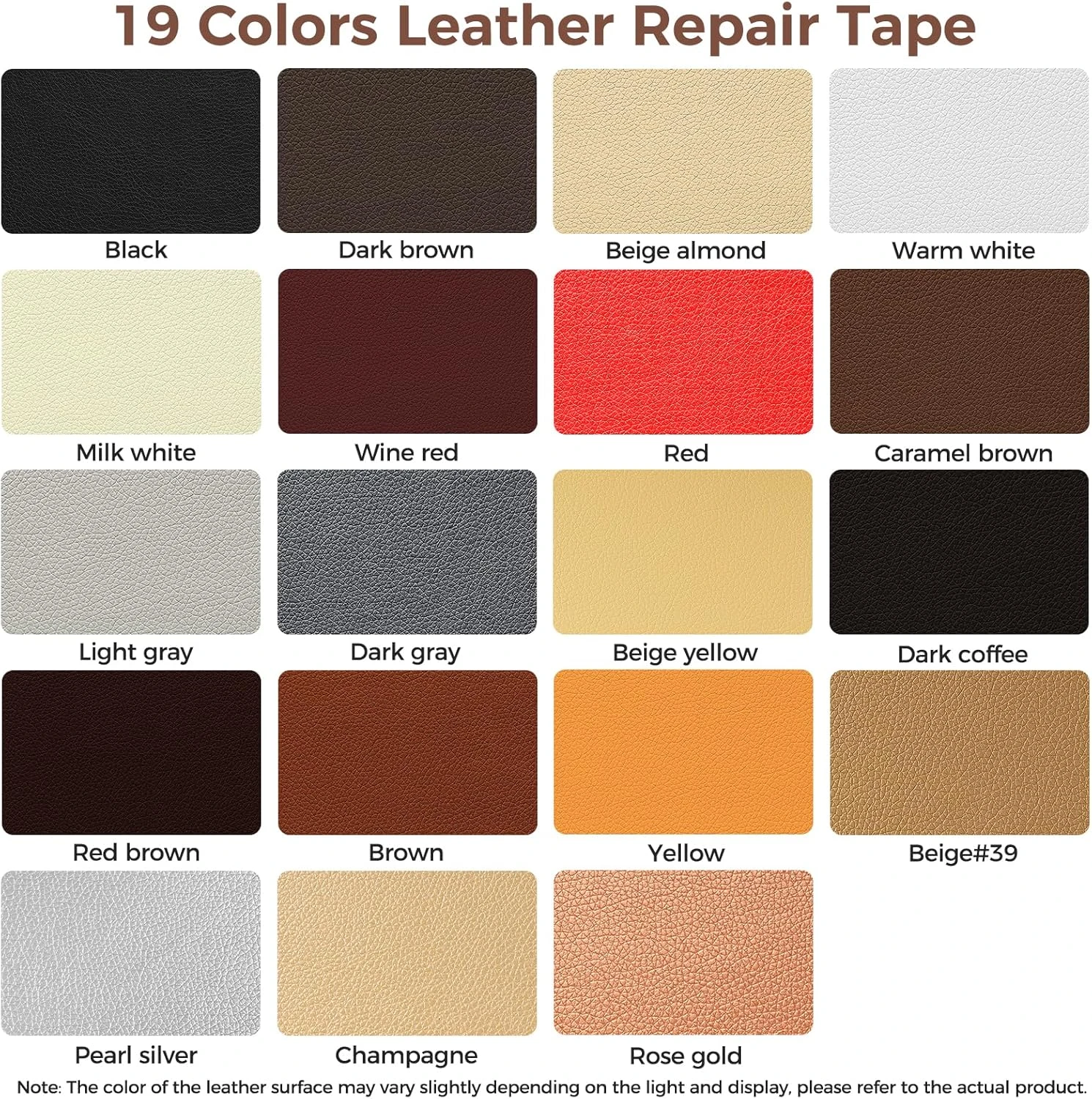
Always test the restorer in a hidden area first. Place a small drop on the surface to see if it absorbs into the hide. This quick test ensures the current leather finish will accept the product and confirms you have the exact color match before you commit to the entire piece.
Step 3: The Application Process
When it comes to applying the color, patience yields the best results. Apply the restorer using a lint-free cloth or a high-density sponge.
- Work in thin layers: Do not flood the leather with product.
- Use circular motions: This technique helps work the pigment deep into the natural grain.
- Build the color: Let each thin coat dry completely before applying the next one to build up the ideal color depth.
Step 4: Buffing and Sealing
Once the final layer of your Leather Color Restorer is completely dry, take a clean, dry cloth and gently buff the surface. This removes any excess residue and brings out a natural, healthy sheen. Finally, apply a quality topcoat. This crucial sealing step locks in the dye for superior colorfastness, provides vital UV resistance, and guarantees long-term fade prevention for your leather goods.
Choosing the Right Products for Your Leather Goods
Before you apply a Leather Color Restorer, you need to know exactly what kind of hide you are dealing with. Using the wrong formula on the wrong material is the fastest way to ruin a premium piece of furniture or a classic jacket.
Identify Your Leather Type
- Aniline: This is raw, porous, and lacks a protective topcoat. It absorbs liquids instantly and requires highly specialized, delicate care.
- Semi-Aniline: Features a thin protective layer. It offers a balance between a natural, soft feel and moderate daily stain resistance.
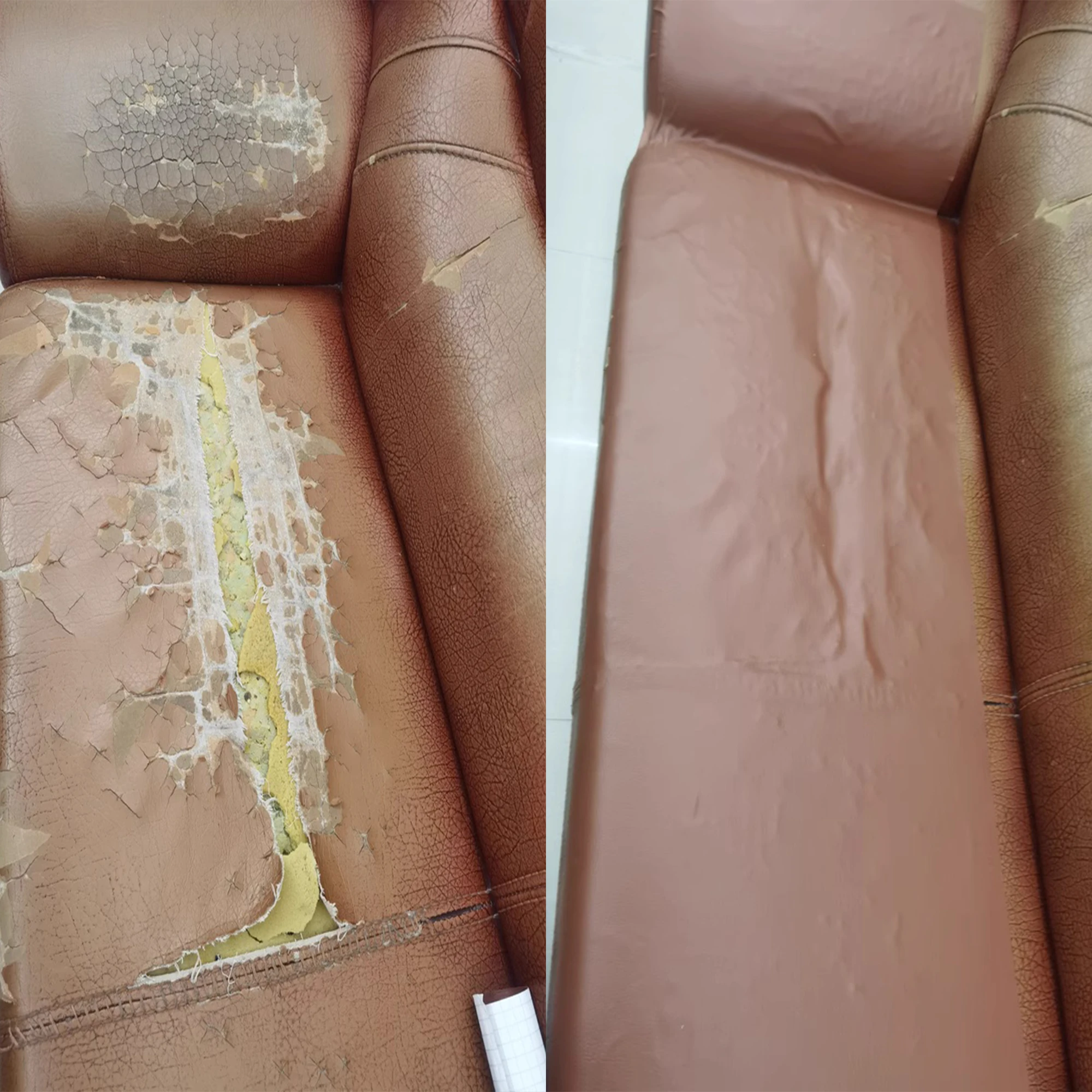
- Pigmented: The most common type used in modern car interiors and everyday furniture. It features a highly durable, coated finish. If your pigmented leather has deep physical tears alongside the fading, you will need to fix the structural damage using a self-adhesive leather patch before you begin the color restoration process.
Why Generic Dyes Fail
We constantly see people try to fix faded leather with cheap, generic dyes. These basic products act like cheap paint—they simply coat the surface. Because they do not penetrate the material, they quickly crack, peel, and rub off onto your clothing. They completely lack the colorfastness required for daily use.
The Power of Specialized Restorers
A true Leather Color Restorer is engineered for permanence. It delivers deep pigment saturation, driving the color into the actual fibers of the hide rather than just sitting on the surface. This creates a molecular bond that ensures the color stays exactly where it belongs. Furthermore, high-quality restorers are formulated with built-in UV resistance. This acts as a protective shield against harsh sunlight, guaranteeing long-term fade prevention and keeping your leather looking rich and vibrant for years.
Why Mitcer is the Trusted Choice for Leather Color Restoration
When you need a reliable Leather Color Restorer, the quality of the formula dictates the final result. At Mitcer, we develop professional-grade solutions tailored for both individual retail consumers and our large-scale wholesale partners. We know that reviving your favorite leather piece requires more than just a temporary surface tint.
Our Mitcer leather repair products are engineered to deliver lasting vibrancy without compromising the material itself. Here is exactly what our formulations prioritize:
- Maximum Pigment Saturation: Our restorers penetrate deep into the fibers, providing a rich, fast-bonding color that will not peel or rub off onto your clothing.
- Built-in UV Resistance: We integrate powerful sun-blocking agents into our formulas to stop the fading process in its tracks, keeping your leather looking vibrant even in bright, sun-exposed environments.
- Preserving the Natural Feel: Cheap dyes often leave behind a stiff, plastic-like texture. Our products nourish the hide as they color, ensuring your leather remains soft and supple.
For comprehensive restoration projects that require fixing structural damage before applying color, combining our restorers with professional leather craft tools guarantees a seamless, durable repair. We formulate every product to deliver professional-tier results straight to your hands.
Ongoing Maintenance: Expert Tips for Leather Fade Prevention
Once you use a Leather Color Restorer to keep color vibrant, maintaining that rich look requires a solid upkeep strategy. I always emphasize that true leather fade prevention is about consistency rather than occasional deep treatments.
To protect your investment and maintain excellent leather colorfastness, follow these core maintenance steps:
- Establish a Routine Schedule: Dirt, sweat, and body oils slowly degrade the finish. Clean your items monthly and apply a high-quality leather protection cream to lock in moisture, nourish the fibers, and protect the surface from daily wear.
- Strategic Placement: Prevent fading before it starts by keeping your pieces away from direct sunlight, radiators, and fireplaces. Heat strips away natural oils, quickly leading to a dry finish and the need to revive dull leather furniture.
- Apply UV-Protectant Topcoats: High-exposure items demand extra defense. If you want to avoid future sun damaged leather repair, especially after a recent car seat leather color repair, use topcoats specifically formulated for high UV resistance for leather. This acts as a clear sunblock, preserving the deep pigment saturation of your restoration.
By taking these preventative steps, you effectively prevent leather discoloration and lock in the deep, rich tones of your newly restored leather goods.