
Assess Your Couch and Damage Type
Let\’s be real—spotting a rip or a worn patch on your favorite furniture is heartbreaking. But before you panic or rush to buy a generic leather sofa repair kit, you need to stop and analyze exactly what you\’re working with. Successfully learning how to repair a leather couch starts with understanding the material and the specific nature of the injury. If you misdiagnose the problem now, the fix won\’t last.
Genuine Leather vs. Faux Repair
This is the most critical step. You need to determine if you are working with real hide or a synthetic blend.
- Genuine Leather: Typically develops cracks, creases, or dryness over time. It absorbs conditioners and feels like skin.
- Faux or Bonded Leather: If the surface is flaking off like a bad sunburn, you are likely dealing with bonded leather peeling.
Why does this distinction matter? Because a peeling faux leather couch fix requires a completely different adhesive and filler approach than restoring a vintage aniline hide. If you treat plastic like skin, you’ll just make a bigger mess.
Identify Specific Damage Categories
Once you\’ve confirmed the material, zoom in on the \”wound.\” Different types of damage require different tools from your arsenal:
- Surface Scratches: Often caused by pets (repair cat scratches on leather is a common request). These usually only affect the top dye layer.
- Tears and Cuts: Structural damage where the material has been sliced all the way through, requiring a sub-patch.
- Cracking: Deep lines caused by dryness, often found on armrests.
- Fading Color: UV damage or friction wear that requires re-dyeing rather than patching.
Next Step: Would you like me to create the list of \”Tools and Materials You Will Need\” to get this project started?
Essential Tools and Materials for Leather Couch Repair
Before diving into the actual fix, you need to gather the right supplies. Attempting DIY leather furniture restoration without the proper equipment often leads to messy results that don\’t last. To successfully figure out how to repair leather couch damage, you need a combination of common household items and specialized repair products.
Here is the essential checklist to get started:
- Cleaning Supplies: Mild leather cleaner and soft, lint-free cloths to prepare the surface.
- Prep Tools: Sharp scissors are non-negotiable for trimming frayed edges. For precision work, especially when cutting exact shapes, having a set of reliable Micter leather making tools ensures you have the necessary instruments to prep the area cleanly.
- Application Tools: A flexible palette knife is best for spreading filler or adhesive evenly.
- Repair Products:
- Leather Adhesive: A specialized glue that remains flexible after drying.
- Filler Compound: Essential for filling deep cracks or holes.
- Sub-patches: Used to reinforce large tears from the inside.
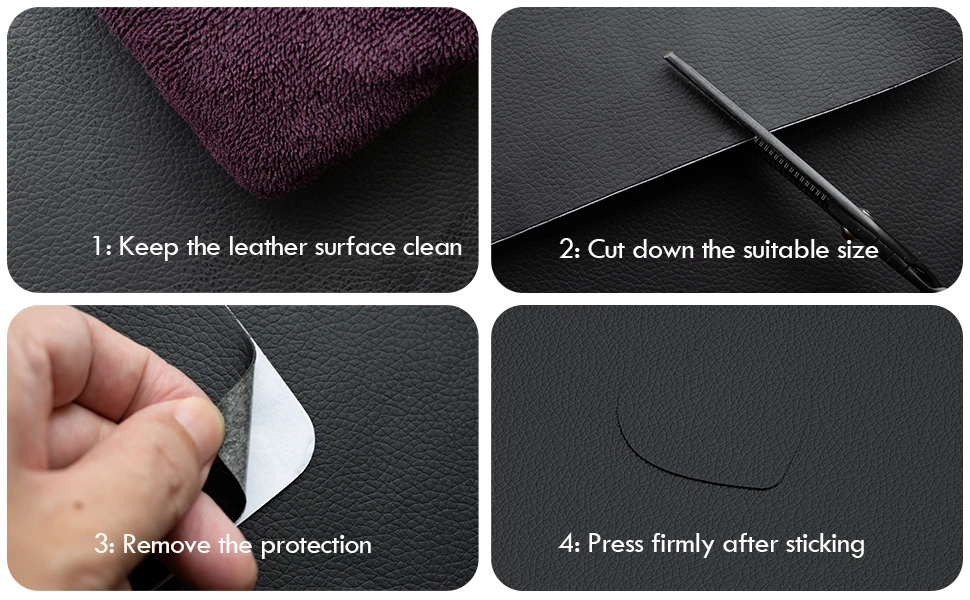
- Micter Patches: Our signature solution for surface repairs. With these, you can achieve an invisible leather patch effect—a simple patch and the leather is as good as new.
Next Step: Once you have your tools ready, would you like me to guide you through the preparation steps to ensure the adhesive bonds correctly?
Preparation Steps Before You Repair Leather Couch
Before I dive into the actual fixing process, I always emphasize that proper preparation is the secret to a lasting result. If you want to know how to repair a leather couch successfully, you cannot skip this phase. A dirty or uneven surface practically guarantees that your repair will peel or crack within a few days.
To ensure professional-quality DIY leather furniture restoration, follow these essential prep steps:
- Clean the Area Thoroughly: Adhesives and fillers struggle to bond with dirt, body oils, or old furniture polish. I use a mild leather cleaner or a gentle alcohol-based solution to wipe down the damaged spot and the surrounding area. This removes grease and ensures the repair materials bond directly to the material, not a layer of grime.
- Trim Loose Threads: If you are dealing with a tear or a cut, you will likely see jagged edges or fuzzy fibers sticking out. I carefully use sharp scissors or a scalpel to trim these loose threads. You need the surface to be as flat and smooth as possible. This creates the perfect foundation, especially if you plan to apply a durable self-adhesive leather patch to cover the damage seamlessly.
Pro Tip: Let the area dry completely after cleaning. Trapped moisture can ruin the bond and lead to mold issues later on.
Guide on How to Repair Leather Couch Damage
Different types of damage require different tactics. Whether you are dealing with a genuine hide or a synthetic blend, I\’ve broken down the specific steps to get your furniture looking new again.
Leather Couch Scratch Repair
Surface scratches and cat scratches are annoying but usually the easiest to fix. You don\’t always need heavy-duty tools for this.
- Light Scuffs: Often, gently buffing the area with a soft cloth and a high-quality leather conditioner is enough to blend the oils and hide the mark.
- Deep Scratches: If the color is removed, use a re-coloring balm that matches your sofa. Apply it in circular motions to let the pigment soak in.
How to Fix Tear in Leather Couch
For small cuts or tears, speed is key to preventing them from spreading. I recommend using a seamless approach. You can insert a sub-patch behind the leather and glue the edges down for a smooth finish. However, for the fastest and most durable result, applying a specialized leather couch patch kit is often the most effective method to ensure the tear is sealed instantly without messy glues.
Handling Large Rips and Holes
When learning how to repair leather furniture with significant damage, you need structural support.
- Insert a Sub-Patch: Cut a piece of canvas or leather slightly larger than the hole and slide it inside the rip.
- Glue: Use leather adhesive to bond the underside of the original leather to the sub-patch.
- Fill: Apply leather filler for cracks and holes in thin layers, building it up until it is level with the surface.
Restore Cracked or Dry Areas
Dryness leads to cracking, which makes furniture look aged. To fix this, you must deep clean the area first to remove oils. Once clean, apply a flexible filler into the cracks. After the filler dries, sand it down gently and apply a colorant or dye to blend the repair with the rest of the cushion.
Peeling Faux Leather Couch Fix
Bonded leather peeling repair is a common headache. Once the top layer starts flaking, you can\’t just glue it back.
- Remove Flakes: Sand away the loose, peeling bits with fine-grit sandpaper until the surface is smooth.
- Cover Up: For extensive peeling, paint-on fillers often fail. The best solution is to cover the compromised area with durable PU leather patches that mimic the texture of the original material and stop the shedding.
Would you like me to create a comparison table for the best leather fillers versus patch kits for your next section?
Common Mistakes to Avoid When You Repair Leather Furniture
We have seen plenty of DIY leather furniture restoration projects go wrong simply because of the wrong materials or rushed steps. If you want your fix to last and look professional, you need to avoid these specific pitfalls.
- Steer Clear of Superglue: Never use standard rigid superglues on your upholstery. Your couch needs to move and flex when you sit on it. Rigid glue dries hard and will crack immediately under pressure, often making the original damage worse. Always opt for a flexible adhesive designed specifically for leather.
- Don\’t Skip the Prep: It is tempting to jump straight to the fixing part, but adhesion is impossible on a dirty surface. If you try to fix a tear in a leather couch without thoroughly removing body oils, dust, and grime first, the patch or glue will simply peel off within days.
- Avoid Over-Filling: When applying a leather filler for cracks, patience is key. Slapping on a thick layer of leather repair gel all at once will result in a smooth, plastic-looking blob that stands out against the natural grain. Apply thin layers and let them dry individually to match the surrounding texture properly.
Would you like me to guide you through the final steps of coloring and conditioning to blend the repair seamlessly?
Finishing Steps: Sealing the Deal
You have applied the filler or patch, but the job isn\’t done yet. Knowing how to repair leather couch issues effectively requires patience in this final stage. If you rush this, the bond will fail, and the leather furniture restoration will look messy.
Allow Proper Drying Time
Never sit on the sofa immediately after a repair. The chemical bonds need time to set to handle the weight and flexibility of daily use.
- Wait at Least 24 Hours: Give adhesives and fillers ample time to cure fully.
- Avoid Direct Heat: Let it dry naturally at room temperature. Using a hair dryer can dry out the leather too fast, causing the filler to crack or shrink.
Restore with Conditioner
Once the repaired area is fully dry, it might look matte or feel slightly stiffer than the rest of the furniture. You must condition leather couch surfaces to bring back the suppleness and blend the repair into the surrounding material.
- Blend the Texture: Gently rub a high-quality leather conditioner over the repair and the surrounding area to unify the sheen.
- Smooth the Edges: Using the specialized burnishing tools found in a 16 Set Professional Leather Craft Tools can help you smooth out any rough edges on the filler for a truly invisible finish.
Next Step
Would you like me to explain the specific maintenance schedule to keep your leather looking new for years?
Prevention and Long-Term Maintenance
The best strategy to avoid extensive DIY leather furniture restoration is simply stopping the damage before it starts. If you want to avoid constantly researching how to repair leather couch tears, you need a consistent care routine to keep the material healthy.
Here is how I keep leather furniture looking fresh for the long haul:
- Condition Regularly: Leather is skin; without moisture, it dries out. You must condition leather couch surfaces every 6 to 12 months to maintain suppleness and prevent leather couch cracking.
- Control the Environment: Direct sunlight and heat sources (like radiators) are leather’s worst enemies. They accelerate fading and drying, so position your furniture accordingly.
- Be Prepared for Small Fixes: Small loose threads or minor seam issues can quickly become large rips. I recommend keeping a professional leather working tool kit in your drawer so you can address minor stitching issues the moment they appear.
- Use Protective Layers: In high-traffic areas, or if you have pets, use a throw blanket. It acts as a shield against claws and heavy wear.
ly, know your limits. While most surface damage is fixable at home, deep structural issues or massive tears across multiple panels are often best left to a professional.
Would you like me to create the FAQ section next to address specific concerns like cat scratches or color matching?
Frequently Asked Questions About Leather Repair
I hear these questions all the time from customers trying to figure out how to repair a leather couch without ruining it. Here are the quick, honest answers to the most common problems.
How do I repair cat scratches on leather?
This is the number one issue for pet owners. Repairing cat scratches on leather isn\’t about stitching; it\’s about smoothing and rebinding.
- Trim: Carefully snip off the loose, fuzzy fibers sticking up.
- Bind: Apply a small amount of leather binder or glue to lay the remaining fibers flat.
- Color: Dab a color balm over the area to hide the marks.
For multiple scratches, grabbing a complete leather sofa repair kit ensures you have the binder and colorant needed to blend the damage seamlessly.
Is there a permanent peeling faux leather couch fix?
To be honest, bonded leather peeling repair is a temporary cosmetic fix, not a structural one. Once faux leather starts delaminating, it will continue in other areas.
- Sand: Remove all the loose, flaky bits. Do not glue them back down.
- Fill: Apply a flexible filler compound to level the surface.
- Paint: Paint over the filler with a matching vinyl paint.
How do I match the color when I re-dye a leather sofa?
Color matching is the hardest part of DIY leather furniture restoration. Never guess the color based on a picture online.
- Test First: Always apply a tiny dot of dye in a hidden spot (like the zipper flap or under the sofa).
- Dry it: Leather dye usually dries darker or lighter than it looks wet. Wait for it to dry completely before judging the match.
- Blend: Sponge the color outward from the repair to feather it into the existing leather, rather than painting a hard square.
Can I use superglue for leather couch scratch repair?
No. Superglue dries hard and brittle. Leather is flexible. If you use superglue, the leather will crack around the glue the moment you sit down. Always use a specialized flexible leather adhesive.
Next Step: Would you like me to create a comparison table showing the difference between \”Leather Filler\” and \”Leather Binder\” to help users choose the right product?