
Assess the Damage – Know What You\’re Dealing With
We have all been there. You sit down with keys in your back pocket, or perhaps the family pet gets a little too excited, and suddenly you are staring at a jagged rip in your favorite furniture. Before you panic or start shopping for a replacement, take a deep breath. Learning how to repair a tear in a leather sofa is often a manageable DIY project that can save you a significant amount of money. The first step is simply understanding the severity of the situation so you can choose the right approach.
Differentiating Tear Types
Not all damage is created equal. The method you use to fix a rip in a leather couch depends entirely on what the injury looks like.
- Surface Scratches: These are superficial marks that haven\’t penetrated the hide completely.
- Small Cuts: Clean slices, usually from sharp objects like scissors or knives.
- Large Rips and Holes: These are wider gaps where the leather has separated or material is missing. These definitely require a sub-patch for support.
- Peeling and Cracking: Often caused by long-term exposure to sunlight or dryness, requiring deep conditioning rather than just glue.
Identifying Your Material
Before applying any leather adhesive glue or dye, you need to know what you are working with. Most modern furniture is either genuine top-grain leather or bonded/faux leather.
A quick way to test this is the water drop test:
- Place a tiny drop of water on a hidden area.
- Genuine Leather: Usually absorbs the water slightly and darkens temporarily.
- Faux/Bonded Leather: The water will bead up and sit on the surface.
Knowing this helps ensure your leather repair kit products—specifically the dyes and conditioners—will bond correctly to the surface.
When to DIY vs. Call a Pro
Most leather sofa tear repair jobs are perfect for a weekend DIY project. If the tear is manageable and you have the right tools, you can restore the look of your sofa in just a few hours. However, if the damage is extensive, covers a major structural seam, or involves a rare antique piece, seeking professional help might be safer to preserve value. For everything else, doing it yourself is the most wallet-friendly option.
Quick Checklist: Tools Based on Tear Size
Here is what you will need to gather based on the damage severity.
| Damage Type | Essential Tools Needed |
|---|---|
| Minor Scratches | Leather conditioner, clean cloth, mild cleaner. |
| Small Cuts | Leather adhesive, palette knife, toothpick (for precision). |
| Large Tears/Holes | Sub-patch material (mesh/fabric), leather filler, adhesive, scissors, matching dye. |
By correctly assessing the damage now, you ensure the repair holds up against daily wear and tear later.
Gather Your Materials – Essential Tools for Success
To successfully learn how to repair a tear in a leather sofa, you need the right supplies on hand before you start. You don\’t need expensive professional machinery, just a specific set of tools to ensure the repair holds up against daily use. Getting everything ready beforehand saves time and ensures a stronger bond.
Here is the essential checklist for your DIY project:
- Leather Repair Kit: This is the most convenient option. A quality kit usually includes leather filler compound, adhesive, backing fabric, and color pigments.
- Leather Adhesive Glue: Standard superglue becomes brittle and will crack. You must use a flexible, leather-specific adhesive that moves with the furniture.
- Sub-Patch Material: For larger rips, you need a strong base behind the tear. If your kit doesn\’t have one, a piece of canvas, denim, or the mesh provided in a kit works well to sub-patch leather tear damage.
- Application Tools: You need sharp scissors to trim frayed edges and a palette knife or spatula to spread the filler smoothly. A comprehensive 21 set leather handicraft tools kit can provide the precision instruments needed for clean trimming and application.
- Sandpaper: Fine-grit sandpaper helps smooth out the filler layers for a seamless touch.
- Color Matching Leather Dye: This is critical for blending the repair area with the rest of the sofa so the damage becomes invisible.
- Cleaning Supplies: Rubbing alcohol and clean cloths are vital for removing oils and prepping the surface, followed by a quality leather conditioner to finish the job.
Having these items ready ensures you can fix rip in leather couch upholstery efficiently without stopping halfway through the process.
Step-by-Step Repair Guide
Fixing a rip in your furniture doesn\’t require a professional upholsterer; it just takes the right tools and a bit of patience. The entire process usually takes about one to two hours of active work, followed by drying time. Here is the practical method I use to repair a tear in a leather sofa and restore its look.
1. Clean the Area Thoroughly
You cannot achieve a strong bond if dirt or oils are present. I start by cleaning the damaged area with a dedicated leather cleaner or warm water. It is critical to ensure the surface is completely dry before applying any leather adhesive glue.
2. Prepare the Edges
If the tear has ragged or fuzzy edges, the final result will look messy. I use sharp scissors to carefully trim away any frayed threads or loose bits. This creates a clean, uniform edge that is much easier to rejoin seamlessly.
3. Insert a Sub-Patch for Support
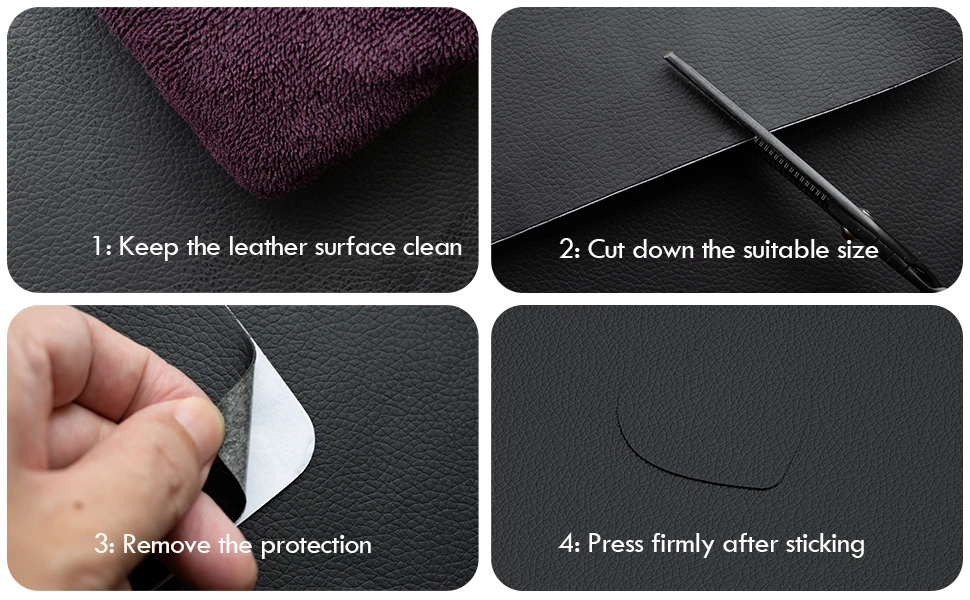
For tears larger than a simple scratch, the leather needs backing to hold the tension. I cut a piece of canvas or mesh slightly larger than the hole and slide it underneath the leather using a palette knife. To ensure a flat base without wrinkles, you can use high-quality self-adhesive leather patches as a sturdy sub-patch material. This step is vital for preventing the rip from reopening when someone sits down.
4. Apply Adhesive and Bond the Tear
Once the sub-patch is flat, I apply a small amount of adhesive to the underside of the leather edges. I carefully press the edges down onto the backing material, ensuring they align perfectly. Hold the leather in place until the glue sets firmly.
5. Fill and Level the Surface
After the glue dries, there is often a visible gap or depression along the tear line. I use a palette knife to apply a leather filler compound or leather repair gel into the gap. It is best to apply this in thin layers, smoothing it out to level the surface with the surrounding leather.
6. Color Match and Blend
Once the filler is dry, the repair needs to blend in. I mix the color pigments to match the sofa\’s shade and apply the color matching leather dye using a sponge or cotton swab. I dab the color on gently, blending it outward to avoid hard lines.
7. Final Conditioning
Allow the repair to dry completely, preferably overnight. Finally, I apply a leather conditioner to the entire area. This restores the leather\’s suppleness, blends the sheen, and protects the DIY leather couch fix from future cracking.
Tips for a Truly Invisible and Long-Lasting Repair
Achieving a professional-grade result when you fix a rip in a leather couch requires more than just the right tools; it requires technique and patience. The goal is to make the damage disappear while ensuring the spot remains flexible enough to handle daily use.
Perfecting the Finish
- Lighting Matters: Always work in a well-lit area or use a bright portable light. You need to see the grain clearly to ensure your color matching leather dye blends seamlessly with the surrounding material.
- Test First: Before applying any dye or filler to the visible tear, test the product on a hidden area (like the bottom of the sofa) to ensure the color and finish match perfectly.
- Layering is Key: When using leather filler compound, apply it in thin layers rather than one thick glob. Allow each layer to dry completely before adding the next. This prevents cracking and ensures a smooth surface level with the rest of the leather.
Ensuring Durability and Flexibility
To ensure your invisible leather tear repair holds up against sitting pressure, avoid rigid fixes.
- Avoid Superglue: Never use standard superglue or household adhesives. These dry hard and brittle, which will cause the leather to crack again under weight. Always use a specialized, flexible leather adhesive glue.
- Structural Support: For larger tears, the sub-patch is non-negotiable. It acts as a new foundation. Inserting a durable backing or a self-adhesive leather patch behind the tear relieves tension from the surface leather, preventing the seam from reopening when someone sits down.
- Patience Pays Off: Rushing the drying times is the most common mistake. Let the adhesive and filler cure for the recommended time (often overnight) to guarantee a bond that lasts for years.
Maintenance to Prevent Future Tears
Once you have successfully learned how to repair a tear in a leather sofa, the goal shifts to preservation. Leather is a durable material, but it requires specific care to maintain its structural integrity and aesthetic appeal. Implementing a consistent maintenance routine is the most effective way to protect your investment and avoid repeating the repair process.
Establish a Regular Conditioning Schedule
Leather is skin, and like skin, it can dry out, crack, and peel if not moisturized. I recommend applying a high-quality leather conditioner after repair and continuing this practice every 3 to 6 months. Conditioning replenishes the natural oils in the hide, keeping it flexible and soft. This flexibility is crucial because dry leather is brittle and much more susceptible to ripping under pressure.
Protect Against Environmental Damage
Your furniture placement plays a massive role in its longevity. Direct sunlight and heat sources are leather\’s worst enemies. UV rays can fade the color and dry out the material rapidly, leading to premature aging and weakness.
- Positioning: Keep your sofa away from direct sunlight coming through windows.
- Heat Sources: Avoid placing leather furniture right next to radiators or heating vents.
- Climate Control: Extreme fluctuations in temperature and humidity can stress the material.
Use Protective Layers in High-Wear Areas
For the seats that get the most traffic, consider using a stylish throw blanket or a protective pad. This simple addition acts as a barrier against friction, sweat, and oils from skin or clothing. It also provides a shield against accidental punctures from sharp objects like keys or buckles in pockets.
Address Minor Damage Immediately
Small issues often turn into big problems if left unchecked. If you notice a minor abrasion, do not wait for it to become a hole. Taking the time to repair a leather couch scratch as soon as it appears stops the damage from spreading and compromising the surrounding area. Being proactive with leather sofa maintenance tips ensures your furniture remains the centerpiece of your living room for years to come.
When to Call a Professional Instead
While I always champion a wallet-friendly DIY approach, there are specific scenarios where learning how to repair a tear in a leather sofa at home might not yield the best results. If the damage goes beyond a simple accident—like a massive rip across a load-bearing seam or deep structural holes—a standard patch job may not withstand daily sitting pressure.
Signs DIY Won\’t Suffice:
- Extensive Damage: The tear is larger than what a standard sub-patch can cover effectively.
- Complex Seams: The rip involves intricate stitching or piping that requires industrial machinery to fix.
- Antique Value: The furniture is a rare vintage piece where maintaining the original integrity is critical for its value.
- Severe Peeling: The leather is chemically degrading or dry-rotting, which requires reupholstery rather than a simple patch.
Cost Comparison:
- DIY Kit: This is the most affordable route. You can easily find out where to buy a leather repair kit to fix small to medium tears for a fraction of the price of a service call.
- Professional Service: Hiring an expert often costs hundreds of dollars. However, for catastrophic damage, it is cheaper than buying a brand-new sectional.
If you are dealing with typical \”keys in pocket\” scratches or manageable cuts, stick to the DIY method to save money and extend your furniture\’s life. For anything that looks like a total structural failure, call in the experts.
Frequently Asked Questions
Can I repair a leather tear without a kit?
Technically, yes, but it depends on the severity of the damage. For very small surface scratches or clean cuts where no leather is missing, you might get away with just a strong leather adhesive glue and some dye. However, for larger rips or holes, trying to fix it without the sub-patch, filler, and tools found in a complete leather repair kit usually results in a weak repair that looks messy and re-opens quickly.
How long does a DIY leather repair last?
If you follow the proper steps—specifically cleaning the area and using a sub-patch—a DIY fix is very durable. It is designed to prolong the life of your furniture significantly. While it may not last as long as the original undamaged hide, a well-executed repair can hold up for years, saving you the massive cost of a full replacement.
Will the fix hold if someone sits directly on it?
This is exactly why the sub-patch is non-negotiable for tears larger than a scratch. If you simply glue the edges together, the tension from sitting will rip the seam open again. By sliding a sturdy fabric or mesh sub-patch behind the leather, you create a new support layer that handles the weight. When you repair a tear in a leather sofa with a proper backing, it can withstand normal sitting pressure without failing.
What are the differences for faux leather repairs?
The repair process is largely the same—clean, patch, glue, and fill. However, faux leather (vinyl or bonded leather) does not absorb leather conditioner or dyes the same way genuine hide does. You also need to be careful if using any heat-curing methods, as synthetic materials can melt or warp much faster than real leather.
What is the best glue for leather tears?
You must use a specialized, flexible leather adhesive. Avoid superglue at all costs. Superglue dries hard and brittle, which creates a rough texture and will crack immediately when the sofa flexes. A proper leather glue cures with a rubbery consistency, allowing the repair to bend and stretch with the cushion so the seam stays intact under stress.