Finding a fresh mark on your favorite leather couch or designer bag is a total gut-punch.
Whether it’s a cat scratch or an accidental scuff, your first thought is probably: \”Is this ruined forever?\”
But here is the good news: Most damage is completely fixable at home without a professional price tag.
In this guide, I’m going to show you exactly how to repair a scratch in leather using proven, step-by-step techniques. We will cover everything from minor surface scuffs to deep gouges, including how to use Micter leather repair patches for a seamless, \”good as new\” finish in seconds.
Ready to restore your leather\’s original beauty?
Let\’s dive right in.
Did you just notice a mark on your favorite bag or sofa and wonder, how do you repair scratch in leather without making it worse? Before I dive into the fixes, I always tell my clients that the first step is knowing exactly what kind of material you are holding. Not all leather reacts the same way to oils or fillers.
Understanding Leather Types and Why They Scratch
Leather is an organic material, which makes it beautiful but susceptible to the environment. I’ve found that the \”why\” behind a scratch often comes down to the surface finish. Some leathers are designed to patina and show wear, while others are treated to resist it.
Identifying Your Leather Material
Knowing your leather type is the only way to ensure your leather scratch repair is successful. Here is a breakdown of the most common surfaces:
- Full-Grain and Top-Grain Leather: These are the highest quality. Full-grain is the most natural and durable, while top-grain has been sanded to remove imperfections. Both respond exceptionally well to high-quality conditioners.
- Aniline and Semi-Aniline: These are dyed with soluble dyes. Aniline has no protective topcoat, making it very soft but prone to deep scratches. Semi-aniline has a thin protective layer, offering a bit more resilience.
- Pigmented and Finished Leather: This leather has a durable chemical coating and a solid color layer. It is the easiest to remove scratches from leather because the damage is often just in the paint layer rather than the hide itself.
- Suede and Nubuck: These have a \”nap\” or fuzzy surface. Traditional liquid-based repair methods will ruin the texture, so they require specialized brushes.
- Faux and Bonded Leather: These are synthetic or made from leather scraps glued together. They don\’t absorb oils, so you’ll usually need a leather repair kit with specialized adhesives rather than conditioners.
| Leather Type | Scratch Sensitivity | Repair Difficulty |
|---|---|---|
| Full-Grain | Moderate | Easy (Buffing) |
| Aniline | High | Moderate |
| Pigmented | Low | Easy (Recoloring) |
| Suede | Very High | Difficult |
| Faux | Moderate | Hardware-dependent |
Understanding these categories helps you decide if a simple olive oil leather scratch fix will work or if you need a structural leather filler for gouges. Always check the label or the underside of the item to confirm the material before starting your restoration.
Assessing the Damage: Is it a Minor Scuff or a Deep Gouge?
Before you decide how do you repair scratch in leather, you must identify the severity of the damage. Treating a deep puncture like a light scuff will not yield results, and over-treating a minor mark can lead to unnecessary discoloration or texture changes. I always recommend starting with a close inspection to determine if the leather\’s structural integrity is compromised.
Evaluating Surface Scuffs and Light Marks
Surface-level scuffs are the most common issues we see on high-quality, full-grain leather. These are superficial marks that haven\’t actually broken through the grain.
- The Rub Test: If you can diminish the mark by simply rubbing it with a warm, clean finger, it is likely a surface scuff.
- Appearance: These often look like light-colored streaks or \”ashy\” marks.
- Solution: Most DIY leather scuff removal techniques involve re-hydrating the fibers with oils or conditioners to remove scratches from leather without needing heavy fillers.
Identifying Deep Gouges and Tears
A deep leather scratch fix is necessary when the scratch has physically cut into the material, leaving ragged edges or showing the lighter, fibrous \”suede\” side of the hide. These occur from sharp metal objects or heavy impacts.
- Gouges: These involve missing material or deep indentations.
- Tears: The leather is split partially or entirely through.
- Requirement: These situations require a leather filler for gouges and potentially professional leather craft tools to bridge the gap and create a smooth, level surface for recoloring.
Distinguishing Cat and Dog Claw Marks
Pet damage is unique because it is often concentrated in one area and involves \”shredded\” fibers where the claws have pulled at the grain. If you need to fix scratched leather couch corners, look for a \”fuzzy\” texture. Effectively repairing pet damage on leather requires a different approach that focuses on binding those loose fibers down before any cosmetic cat scratch leather repair can begin.
When to DIY vs. Calling a Professional
Most scratches on bags, jackets, and furniture are manageable at home if you have the right materials. However, I suggest seeking professional help if the tear is in a high-tension area (like the center of a seat cushion) or if the leather is an extremely rare, thin aniline that absorbs liquids instantly. For everything else, a systematic DIY approach will save you significant money while extending the life of your leather goods.
Must-Have Tools for Every Leather Repair Kit
Before figuring out how do you repair scratch in leather, I always make sure my toolkit is stocked with the right supplies. Having these items on hand ensures that whether I’m dealing with a minor scuff or a deep gouge, the fix is professional and lasting.
- Cleaning Supplies: I use soft microfiber cloths and cotton swabs for precise application. Keeping the leather clean is the first step in any restoration.
- Home Remedies: For surface-level marks, I rely on household oils like olive oil, baby oil, or saddle oil. These work wonders to re-hydrate the leather fibers and blend light scratches.
- Professional Repair Tools: When the damage goes deeper, I use leather filler to level the surface and fine-grit sandpaper to smooth it out. Matching leather dyes or recoloring balms are essential for hiding the repair.
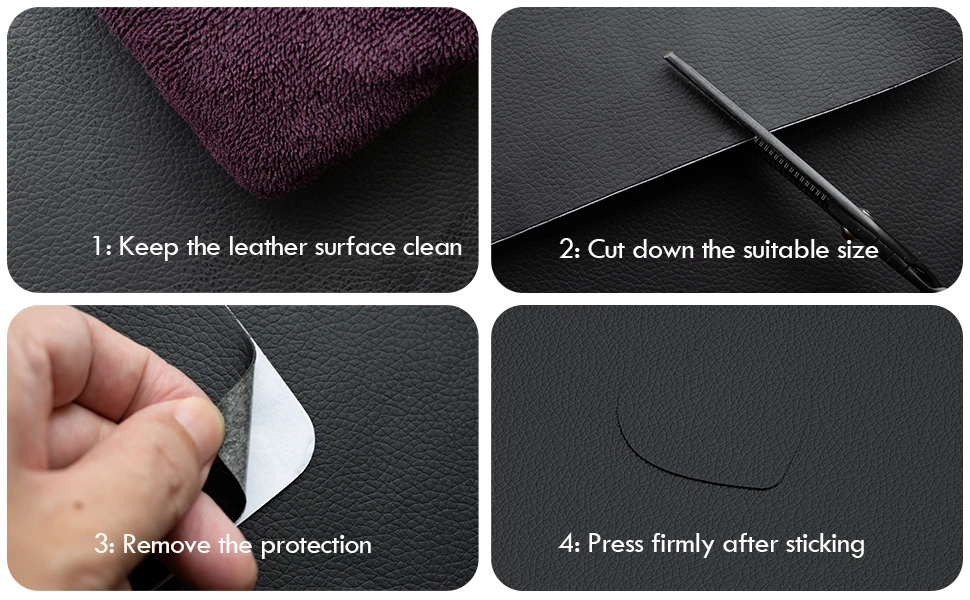
- Fast Fixes: For those who want to skip the drying time of fillers and dyes, self-adhesive leather patches provide a durable, instant solution that looks as good as new.
- Essential Hardware: I keep a set of leather handicraft tools for more intensive repairs that might require stitching or structural reinforcement.
I always recommend performing a patch test on an inconspicuous area, like the bottom of a bag or the back of a couch, to check for any potential discoloration before applying oils or dyes to the visible scratch.
How to Repair a Minor Scratch in Leather
To repair scratch in leather when the damage is only surface-level, I always recommend starting with the least invasive method. Most minor scuffs on high-quality handmade leather can be fixed with items you already have at home.
- Clean the Area: Use a soft, lint-free cloth to gently wipe away any surface dirt or grit.
- Perform a Patch Test: Before applying anything, test a small amount of your chosen oil or conditioner on an inconspicuous area, like the bottom of a bag or the back of a cushion, to check for discoloration.
- Apply Natural Oils: Using a cotton swab or a soft cloth, apply a small amount of olive oil, baby oil, or saddle oil directly to the scratch. These oils help re-hydrate the organic fibers.
- Buff and Blend: Rub the oil in firm, circular motions. This helps the scratch marks disappear into the surrounding material.
- Condition: Finish the process by applying a high-quality leather conditioner to lock in moisture and maintain the leather’s longevity.
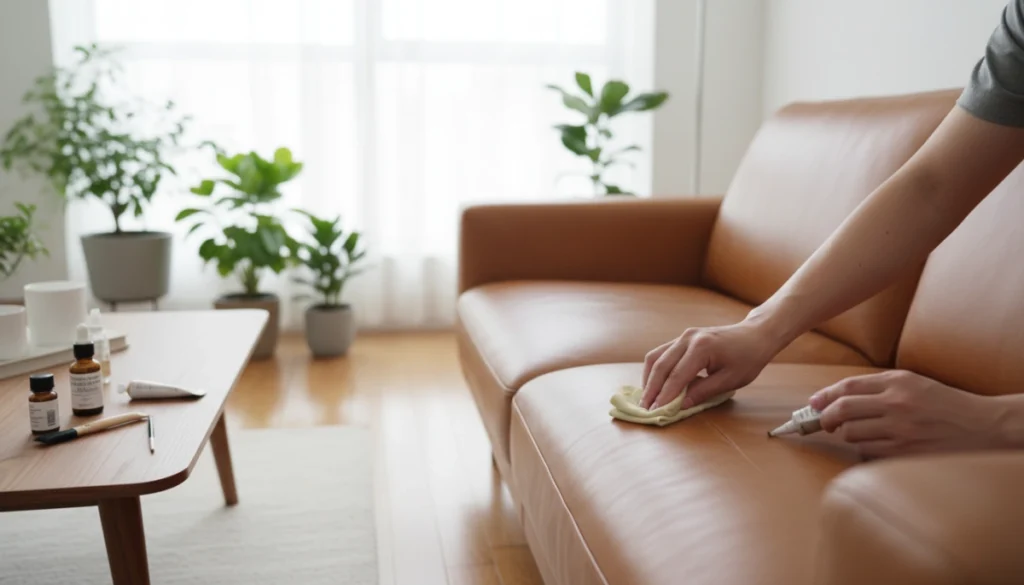
When you repair leather couch scratch marks that are only on the surface, these simple household remedies are often all you need to restore the original look. For slightly more stubborn marks, applying gentle heat from a hairdryer can sometimes help soften the leather\’s natural oils, making it easier to buff out the scuff for a seamless finish. Always ensure the leather is completely dry before finishing with a final buff.
Steps to Fix Deep Leather Scratches and Gouges
When a scratch goes beyond the surface and becomes a gouge or a tear, a simple conditioning treatment won\’t be enough. Structural damage requires a more intensive approach to restore the leather\’s integrity and appearance.
- Clean and Prep: Use a soft cloth to remove any dust or oils from the damaged area. If there are frayed fibers sticking out of the gouge, carefully trim them with a pair of small scissors to create a clean surface for the repair.
- Fill the Void: Apply a specialized leather filler to the deep scratch using a palette knife or a flat applicator. Press the filler into the gap until it is slightly above the surface level, as it may shrink slightly as it dries.
- Sand for Smoothness: Once the filler is completely dry, use fine-grit sandpaper to gently sand the area. Work in light, circular motions until the patch is perfectly flush with the rest of the leather.
- Color Matching: Use a leather dye or a matching recoloring balm to blend the repaired area with the original color. This step is crucial for making the repair invisible.
- Seal and Protect: After the dye has dried, apply a leather finisher or sealant. This protects the filler from moisture and ensures the repair doesn’t peel or crack over time.
For those who want a faster, more reliable solution without the mess of chemical fillers and dyes, a self-adhesive leather patch provides instant results. It is the most effective way to repair scratch in leather when dealing with significant gouges, offering a durable fix that blends seamlessly with your furniture or bags. Using a high-quality patch ensures the damage is contained and the leather remains functional for years to come.
Special Tips for Fixing Pet Scratches on a Leather Couch
Pet claws don\’t just cause scuffs; they often leave shredded fibers and deep punctures. When you need to know how do you repair scratch in leather caused by pets, the process requires stabilizing the material before aesthetic work begins.
Using Leather Binder for Shredded Fibers
Pet damage frequently leaves the leather looking \”fuzzy\” or frayed. To fix this, I recommend using a leather binder. This liquid soak strengthens the loose fibers, turning them back into a solid surface. Apply several thin coats with a sponge, allowing it to dry between applications until the area feels firm and smooth.
Filling and Sanding Claw Marks
Once the surface is stable, you’ll need to deal with the actual punctures.
- Apply leather filler: Use a palette knife to press leather filler for gouges into the claw marks.
- Level the surface: Ensure the filler is slightly higher than the surrounding leather, as it may shrink as it dries.
- Sand smooth: Once dry, use fine-grit sandpaper (around 1200 grit) to gently sand the area until it is completely flush.
Recoloring and Blending
After sanding, the repaired spot will be a neutral color. You must apply a leather recoloring balm or dye that matches your couch exactly. For a professional finish, fixing scratched leather requires dabbing the color on in thin layers to avoid a \”painted\” look. This ensures the cat scratch leather repair blends seamlessly with the original texture.
Quick Fixes for Deep Damage
If the clawing has resulted in a large hole or a complete tear, a liquid filler might not be enough. In these cases, using a leather couch patch kit is the fastest way to repair pet damage on leather. These high-quality, peel-and-stick patches provide an instant structural fix that stops the damage from spreading.
Pet-Proofing Your Leather Furniture
To prevent future damage, establish a regular maintenance routine:
- Trim nails: Keep your pet’s claws trimmed and filed.
- Condition regularly: Dry leather punctures more easily; keeping it supple helps it resist tearing.
- Use barriers: Place a decorative throw over the spots where your pet usually jumps or sleeps.
Avoid These Common Leather Repair Mistakes
When you are figuring out how do you repair scratch in leather, rushing the process is the fastest way to ruin a high-quality piece. Avoiding these common pitfalls ensures your DIY efforts look professional rather than amateur.
- Skipping the Patch Test: Never apply a conditioner, oil, or dye to the center of your leather item first. Always perform a \”patch test\” on an inconspicuous area, such as the bottom of a bag or the back of a cushion, to check for unwanted darkening or discoloration.
- Using Harsh Chemicals: Household cleaners, window sprays, and abrasive soaps strip away the essential oils that keep leather supple. Stick to pH-balanced cleaners or recommended oils like saddle oil to avoid making the leather brittle.
- Over-application: Applying too much leather repair gel or filler can cause the area to become stiff and lose its natural texture. It is always better to apply thin, incremental layers.
- Procrastination: Waiting too long to address a scratch allows dirt and body oils to penetrate the open fibers. This makes the eventual leather scratch repair much more difficult and can lead to irreversible staining or fraying.
If you are unsure about using liquid chemicals or fillers, a high-quality leather repair patch provides a safe, instant alternative that avoids the risk of chemical damage altogether. Keeping your repair process simple and patient is the key to maintaining the longevity and beauty of your leather goods.
Protecting Your Leather from Future Scratches
Preventing damage is always more effective than learning how do you repair scratch in leather after the fact. High-quality full-grain and top-grain leather require proactive care to maintain their structural integrity and natural luster.
Establishing a Conditioning Routine
Leather is an organic material that loses moisture over time. When it dries out, it becomes brittle and significantly more susceptible to scuffs and cracks.
- Apply Conditioner: Use a dedicated leather conditioner for scratches and general maintenance every 3–6 months.
- Re-hydrate: Regular conditioning keeps the fibers supple, allowing the leather to \”self-heal\” minor surface friction.
- Maintenance Kit: Keeping a leather sofa repair kit on hand allows you to address small issues before they evolve into deep gouges.
Sunlight and Heat Protection
Environmental factors are the silent enemies of leather longevity.
- Avoid Direct Sun: Prolonged exposure to UV rays bleaches color and dries out natural oils.
- Distance from Heat: Keep leather furniture at least two feet away from radiators or heating vents to prevent leather scratches caused by surface shrinkage and brittleness.
Managing Pet Nails and Sharp Objects
Physical habits dictate the lifespan of your leather goods.
- Pet Care: Keep dog and cat nails trimmed to minimize the risk of accidental punctures.
- Hardware Awareness: Be mindful of sharp rivets, keys, or jewelry that can snag the grain.
- Protective Layers: Use throws or covers on leather seating areas where pets frequently rest to add a sacrificial layer of protection.