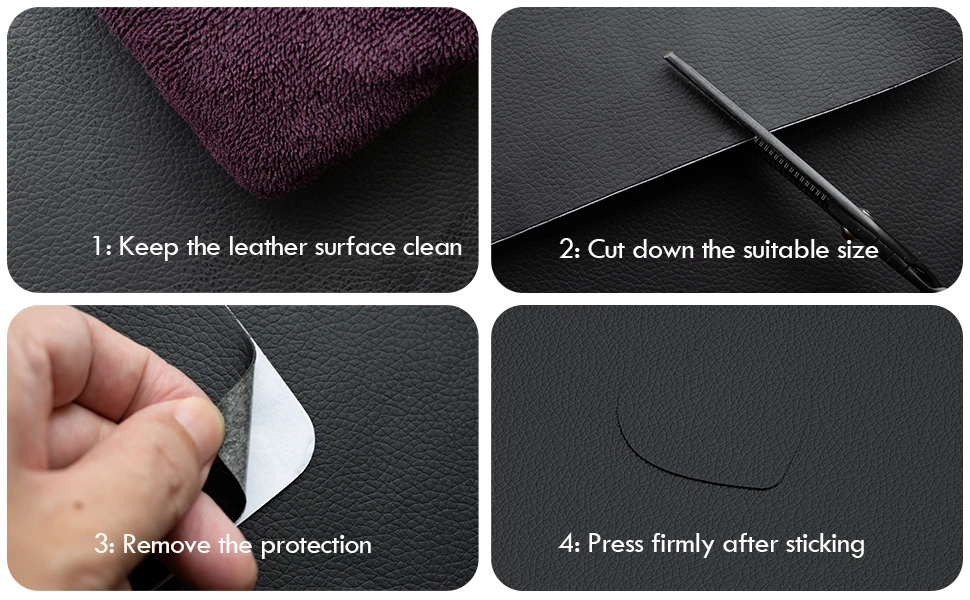
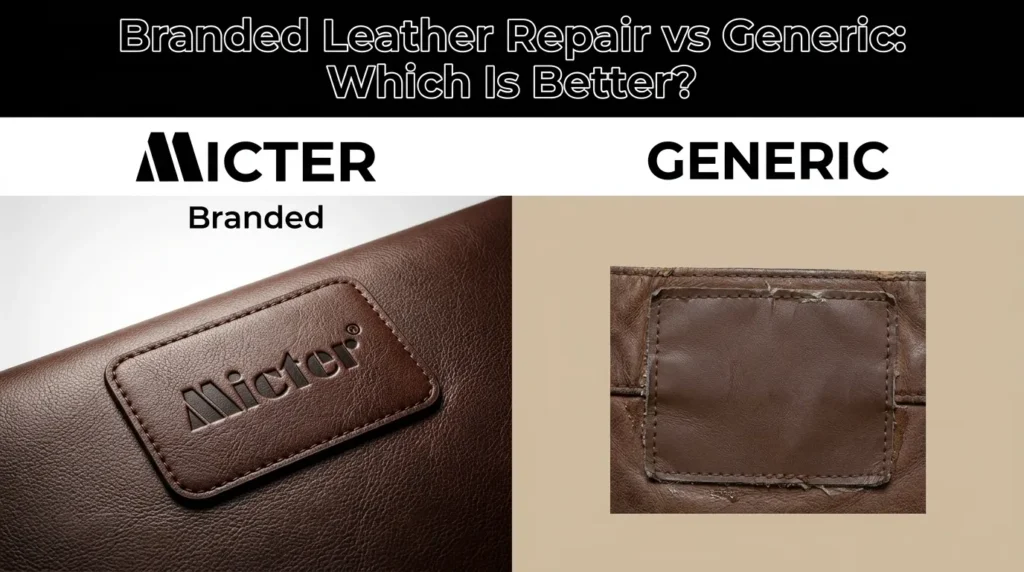
You just noticed a nasty scuff on your Italian leather sofa or the driver’s seat of your car.
Now you’re at a crossroads: do you grab a $15 \”miracle\” kit from a generic marketplace, or do you invest in a professional-grade repair compound like Mitcer?
It’s tempting to save twenty bucks, but that \”cheap fix\” is often a one-way ticket to a $500 professional restoration bill. Most generic kits rely on brittle PVA glues that crack the moment you actually sit down. If you want color matching precision, long-term durability, and polyurethane-based binders that actually move with the hide, you need to know what’s happening at a molecular level.
I’ve analyzed the tensile strength and UV resistance of both options so you don’t have to. Here is why choosing the right brand is the only way to save your leather from a permanent eyesore.
Let’s dive in.
The Chemistry of the Kit: PVA vs. Polyurethane Binders
Most DIYers don’t look at the chemical data sheet before buying a kit, but that’s where the \”budget\” brands hide their biggest flaw: PVA (Polyvinyl Acetate).
Why Generic Kits Use Brittle PVA Glue
Generic kits rely on PVA—essentially a glorified version of white school glue—as their primary binder. While it’s cheap to manufacture and dries fast, it is fundamentally incompatible with a material that is supposed to move.
- Zero Flexibility: PVA cures into a rigid, plastic-like film.
- Surface Adhesion Only: It sits on top of the leather rather than bonding with the internal fibers.
- The \”Scab\” Effect: Because it\’s a rigid patch on a flexible surface, it eventually peels off in one ugly chunk.
Mitcer’s Polyurethane Advantage
I formulated Mitcer repair compounds using polyurethane-based binders. Why? Because leather is a biological material—it’s a skin, not a board. It requires a fix that mirrors its own properties.
| Feature | Generic (PVA) | Mitcer (Polyurethane) |
|---|---|---|
| Elasticity | Low (Brittle) | High (Natural Flex) |
| Bonding Type | Mechanical/Surface | Molecular |
| Durability | High risk of cracking | High-stress resistant |
The \”Sit-Test\”: Why Cheap Repairs Crack
The \”sit-test\” is the ultimate reality check for branded leather repair. When you sit on a repaired BMW driver’s seat or a luxury leather sofa, the material undergoes intense compression and stretching.
- The Generic Failure: A PVA-based repair cannot stretch. Under the weight of a person, the brittle filler snaps, creating immediate hairline cracks that trap dirt and widen over time.
- The Mitcer Solution: Our professional-grade repair compounds utilize leather adhesion technology that provides natural elasticity. When you sit down, the repair stretches with the leather; when you stand up, it recovers. No cracks, no peeling, and no \”fake\” plastic feel.
The Color Matching Trap: Why \”Brown\” Is Never Just Brown
Generic repair kits usually treat \”brown\” as a single, flat shade. In reality, leather has depth, warmth, and complex undertones that a basic five-color set simply cannot replicate. When you settle for a \”close-enough\” match from a cheap kit, you aren\’t actually fixing the furniture—you’re creating a permanent eyesore. Our approach to branded leather repair focuses on professional-grade results that disappear into the original material.
Achieving True Color Matching Precision
The difference lies in the pigment density. Generic sets use watered-down dyes that require thick, heavy layers, often resulting in a muddy finish. We utilize high-concentration pigments designed for color matching precision. This allows you to blend the exact tint of your furniture, ensuring the repair is invisible under both natural and artificial light.
- Generic Kits: Limited palettes lead to \”band-aid\” style patches.
- Professional Grade: High-load pigments allow for subtle adjustments to hue, saturation, and tone.
Leather Grain Texture Reproduction
Color is only half the battle. If the repaired area is perfectly smooth while the rest of the sofa has a rugged pebble grain, the light will hit it differently and expose the fix. When you repair a leather couch hole, the goal is a seamless transition. Our kits prioritize leather grain texture reproduction, providing the tools necessary to mimic the natural \”peaks and valleys\” of the hide.
| Feature | Generic 5-Color Sets | Branded Professional Kits |
|---|---|---|
| Pigment Load | Low (Translucent) | High (Opaque & Rich) |
| Texture Finish | Flat/Plastic-like | Leather grain texture reproduction |
| Visual Result | Obvious Patch | Seamless Integration |
By focusing on the molecular level of the finish, we ensure that your automotive leather restoration or home furniture repair doesn\’t just look \”better\”—it looks original. Using a branded leather repair system prevents the frustration of a mismatched DIY project and protects the long-term value of your investment.
Durability and UV Resistance in Harsh Environments
When dealing with car interiors, the sun is the biggest enemy of a repair. I’ve seen countless generic fillers literally \”cook\” and crumble because they cannot handle high temperatures. In automotive leather restoration, the cabin acts like an oven; if the filler isn\’t built for UV resistance for leather, it will yellow and turn brittle within weeks.
Molecular Bonding vs. Surface-level Adhesion
The difference between a permanent fix and a temporary \”band-aid\” comes down to leather adhesion technology. Most cheap kits only offer surface-level stickiness. When the leather expands in the heat or flexes under weight, a rigid generic filler simply snaps or pops off the surface.
- Generic compounds: Create a stiff, plastic-like layer that eventually \”delaminates\” from the hide.
- Mitcer binders: Form a molecular bond with the leather fibers, ensuring the repair moves and breathes with the seat.
- Delamination prevention: Our formulas are engineered to stop the peeling and flaking that usually happens after a few months of use.
Resilience Under Pressure
A true long-term durability test happens every time someone sits in the seat. If the filler lacks the proper tensile strength of fillers, it will eventually tear. This is why I focus on professional-grade compounds—they are designed to stay flexible regardless of the climate. If you want to understand how to repair cracked leather so it actually lasts through the summer, you have to look at the chemistry behind the bond.
| Durability Factor | Generic Fillers | Mitcer Professional Grade |
|---|---|---|
| Heat Response | Becomes brittle and \”cooks\” | Remains elastic and flexible |
| Bond Type | Surface-level stickiness | Deep molecular integration |
| UV Resistance | High risk of yellowing/cracking | Maximum UV-stable pigments |
| Longevity | Short-term (weeks/months) | Long-term (years) |
By choosing branded leather repair solutions over generic alternatives, you ensure the repair becomes a permanent part of the material. This prevents the messy, peeling eyesores that low-quality adhesives always leave behind.
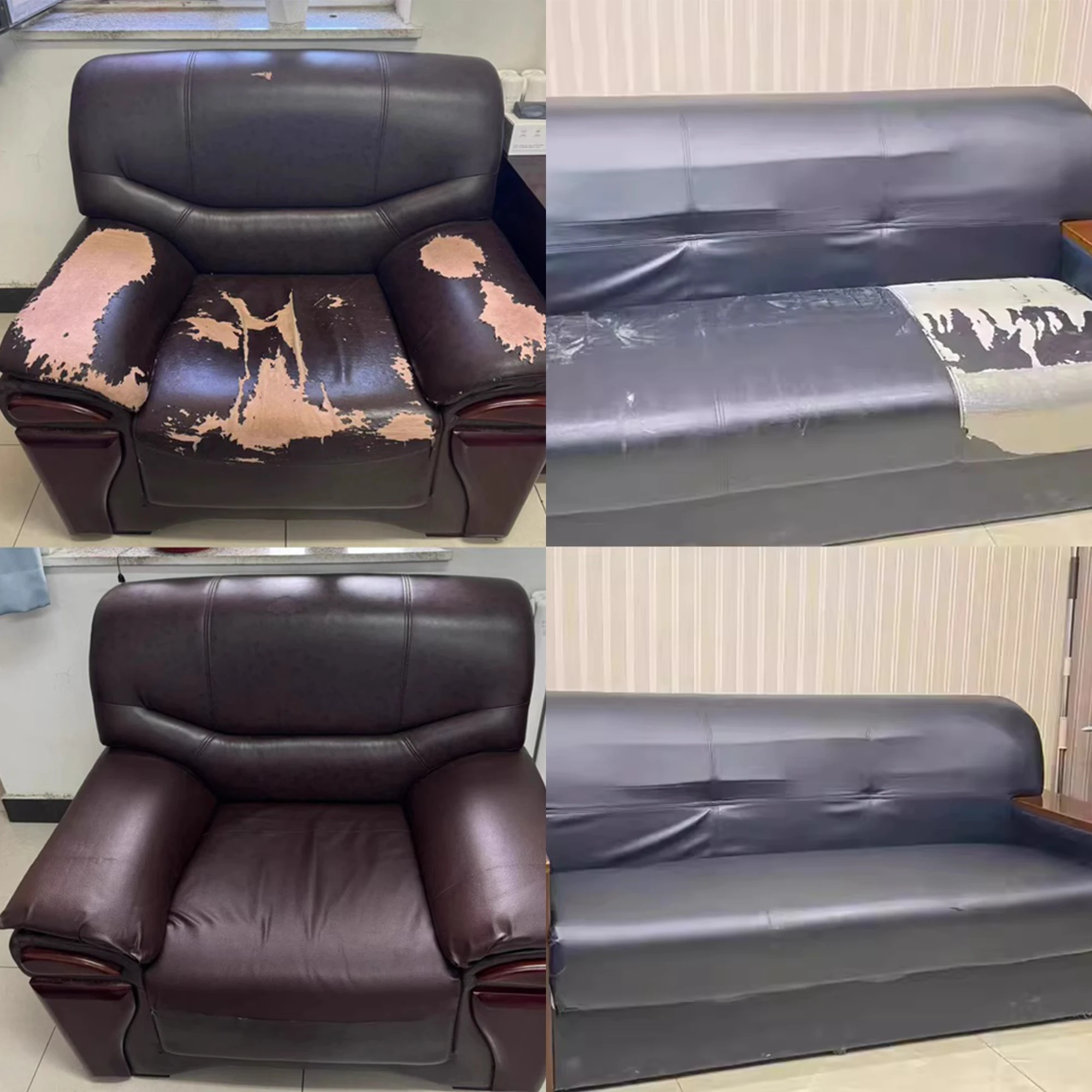
Professional Grade for the DIYer: The Mitcer Edge
I’ve seen too many DIY jobs fail because the prep work was wrong. The \”Mitcer Edge\” is about giving you the exact same chemistry used in high-end upholstery shops, simplified for home use. It starts with the foundation: prep work. Using harsh household chemicals strips leather of its natural oils, which is why I prioritize the use of pH-balanced leather cleaners to ensure the surface is primed without being structurally compromised.
Ingredient Transparency and Solvent-Free Formulas
Generic brands often hide their chemical makeup behind vague labels. I take a different approach with total ingredient transparency. Our products are built on solvent-free formulas that won\’t off-gas in your home or irritate your skin. When you use our professional-grade leather repair gel, you are working with a compound engineered for superior leather adhesion technology rather than a cheap, temporary surface fix.
- Safety First: No toxic fumes or harsh chemical odors.
- Structural Integrity: Formulas that bond with the hide, preventing future peeling.
- True Professional Grade: Materials that pass the same standards as factory leather finishes.
Support and Resources for a Pro-Level Finish
Buying a kit is only half the battle; knowing how to use it is where the real value lies. I make sure you have the resources needed to achieve a seamless finish that defies detection. From detailed application guides to expert support, I ensure your branded leather repair project looks like it was handled by a seasoned professional. Doing it right the first time provides a clear cost-benefit analysis—saving you the massive expense of professional reupholstery or total furniture replacement.
FAQs: Branded Leather Repair vs Generic
Can a generic kit ruin my luxury leather sofa?
Yes, it absolutely can. Generic kits often use low-grade PVA glues that dry into a stiff, plastic-like finish. Because leather is a breathable, moving material, these rigid repairs create tension points that cause the surrounding leather to crack or tear even further. I always recommend using a professional-grade leather sofa repair kit that utilizes flexible binders to maintain the integrity and soft feel of your furniture.
Why is tensile strength important for leather fillers?
Leather is constantly under stress from sitting, leaning, and temperature changes. Tensile strength refers to the repair compound\’s ability to stretch without snapping.
- Generic Fillers: Have low tensile strength and become brittle, leading to the \”sit-test\” failure where the repair pops out.
- Mitcer Compounds: Are formulated with high-performance polyurethane, offering the elasticity needed to move with the leather grain.
Is Mitcer safe for automotive leather restoration?
Our formulas are specifically engineered for high-stress environments, making them ideal for automotive leather restoration. Car interiors face extreme UV exposure and heat that \”cooks\” cheaper, solvent-based fillers until they peel. Mitcer products provide superior UV resistance and molecular bonding, ensuring the repair stays fused to the seat even in harsh climates. For those looking to achieve a factory-finish texture, utilizing the correct leather making tools during the application process will ensure a seamless, professional-grade result.