
Why Does Leather Crack? Understanding the Causes
Leather is a natural, organic material composed of intricate microscopic fibers. When healthy, these fibers slide past one another, giving the material its characteristic flexibility and strength. Cracking is not just a surface issue; it is a sign that these fibers have dried out, stiffened, and broken under tension. Before learning how do i repair cracked leather, it is crucial to understand the environmental and mechanical factors that compromise the material\’s integrity.
Loss of Moisture and Natural Oils
Just like human skin, leather relies on hydration to remain supple. Over time, the natural oils and moisture inherent in the hide evaporate due to air exposure and usage. When these oils are depleted and not replenished, the leather loses its elasticity. Instead of flexing when the item moves, the dehydrated fibers become brittle and fracture, resulting in visible cracks on the surface.
Exposure to Sunlight and Heat
External heat sources are among the most damaging elements for leather goods. Prolonged exposure to direct sunlight and UV rays accelerates the drying process, often causing the color to fade while simultaneously sapping moisture from the core of the material.
- Direct Heat: Placing items near radiators or heaters causes fibers to contract and harden rapidly.
- Improper Drying: Using a hairdryer to dry wet leather is a common mistake that severely dehydrates the material, often worsening existing cracks.
Poor Quality Leather or Lack of Maintenance
Longevity is a partnership between high-quality materials and consistent care. Even premium leather will degrade if neglected. A lack of a regular maintenance schedule allows dirt and grime to accumulate, which can abrade the surface and draw out moisture. To prevent the need for extensive repairs, leather requires proactive conditioning—typically every 3 to 6 months—to maintain the balance of oils necessary for preventing dryness and structural failure.
Essential Tools and Materials for Leather Repair
When I look at how to repair cracking leather, the difference between a botched job and a seamless restoration usually comes down to the supplies. You do not need a factory floor to get professional results, but you do need a specific set of items designed to treat animal hides without causing further damage. Using the wrong chemicals or abrasive tools can turn a small crack into a permanent tear.
Cleaning and Conditioning Agents
The first stage of any repair is ensuring the canvas is clean. You cannot apply filler or dye over grease and dust. I always recommend a dedicated leather cleaner rather than harsh household soaps, which can strip away remaining natural oils. You will need:
- Mild Leather Cleaner: To remove surface dirt and oils.
- Microfiber Cloths: Soft cloths are essential for wiping down the surface without adding new scratches.
- Leather Conditioner: This is crucial for rehydrating the fibers after the repair is done, preventing future cracks from forming in the same spot.
Leather Fillers and Sanding Tools
For the actual structural repair, you need materials that can fill the void left by the crack while remaining flexible. A specialized leather filler is a paste that bonds to the leather and fills the gap. To apply this effectively, you need a palette knife or a small spatula to smooth it out evenly.
Sanding is equally important to ensure the filler sits flush with the surface. According to expert restoration guides, you must use fine-grit sandpaper, specifically between 1000 and 2000 grit. Anything coarser will damage the surrounding texture. If you are gathering your supplies, looking into a comprehensive set of leather making tools can help you acquire the necessary spatulas and precision instruments to handle the filler delicately.
Dye Kits and Protective Top Coats
Once the crack is physically filled and smoothed, it will likely look like a dull patch. To blend it back into the original item, you need a leather colorant or dye that matches the specific shade of your bag or jacket.
- Leather Colorant: Applied in thin layers to hide the filler.
- Sponge or Applicator: For dabbing the dye to mimic the leather\’s grain.
- Sealer/Top Coat: This locks in the dye and protects the repair from rubbing off.
Having these specific materials ready before you start ensures you can follow the process through to completion without stopping, which is vital for achieving a uniform finish.
Step-by-Step Guide to Fixing Light Leather Cracks
When customers ask, \”how do i repair cracked leather,\” I always check the severity first. Light cracking is often a symptom of dehydration rather than structural failure. If the cracks are merely surface-level dryness or fine lines, you can often restore the material without heavy fillers or sanding. Here is the professional method for treating these minor imperfections.
Step 1: Deep Cleaning the Surface
Before applying any treatment, you must remove the barrier of dirt, oils, and grime that accumulates over time. If you try to condition dirty leather, you are simply sealing the dirt into the pores.
* **Use the right cleaner:** Apply a dedicated leather cleaner using a soft sponge or microfiber cloth. Avoid harsh household chemicals that can strip the finish.
* **Wipe gently:** Clean the area in a circular motion to lift debris from the grain.
* **Dry completely:** Wipe away any residue with a fresh, dry cloth. **Crucially, let the leather air dry naturally.** Never use a hairdryer or heater, as high heat will dehydrate the fibers further and worsen the cracking.
Step 2: Applying a Quality Leather Conditioner
Once the surface is clean and dry, the goal is to rehydrate the microscopic fibers that have dried out and stiffened. This is the core of how you repair cracked leather that is suffering from neglect.
* **Application:** Take a small amount of premium leather conditioner on a soft cloth.
* **Massage it in:** Rub the conditioner into the leather using circular motions, ensuring it penetrates the fine cracks. The conditioner acts as a lubricant, allowing the fibers to move against each other smoothly again rather than breaking.
* **Assess the damage:** If the conditioner absorbs instantly, apply a second thin layer. However, if the surface remains rough or the cracks are distinct gaps, conditioning alone may not be enough, and you might need a more substantial [leather repair gel](https://micterleather.com/product/repair-accessories/leather-repair-gel/) to physically fill the void.
Step 3: Buffing and Recurring Treatments
Restoration doesn\’t end with a single application. To maintain the smooth finish and ensure how to repair crack leather effectively for the long term, you need to finish the surface properly.
* **Buff to a shine:** After allowing the conditioner to soak in (usually 10-20 minutes), take a clean cloth and buff the surface. This removes excess product and restores the leather\’s natural luster.
* **Regular Schedule:** Prevention is better than cure. I recommend repeating this cleaning and conditioning process every 3 to 6 months. Regular maintenance keeps the moisture levels high, preventing those light surface lines from deepening into permanent tears.
How to Repair Deep Leather Cracks and Scratches
When you ask, \”how do i repair cracked leather,\” especially when the damage goes deeper than the surface, you need a structural fix rather than just cosmetic hydration. Deep cracks compromise the integrity of the material, requiring a filler to bridge the gap and restore the smooth surface of your bag or luggage.
Step 1: Preparation and Sanding
Before adding any new material, the surface must be immaculate. Start by cleaning the area with a high-quality leather cleaner and a soft cloth to remove any dirt or oils that could prevent adhesion. Once the leather is completely dry, use **fine-grit sandpaper (around 1000-grit)** to gently sand the cracked area. This smooths down the rough, curling edges of the crack. While it might feel counterintuitive to sand premium leather, this step is crucial to create a level base. This process is very similar to the prep work required when you [repair a leather couch scratch](https://micterleather.com/how-to-repair-leather-couch-scratch/), ensuring the surface is ready for bonding.
Step 2: Applying Flexible Leather Crack Filler
Once the area is smooth, apply a specialized **leather filler**. Using a palette knife or a small spatula, spread the filler into the crack in thin layers.
* **Fill gradually:** Do not try to fill a deep crack in one go; thin layers dry more evenly.
* **Level it out:** Wipe away any excess filler from the surrounding leather before it dries.
* **Air dry:** Allow the filler to dry naturally. **Do not use a hairdryer**, as high heat can damage the leather further.
After the filler has dried, sand the area again gently to ensure the repair is perfectly flush with the surrounding surface.
Step 3: Color Matching and Blending with Leather Dye
The filler will likely be a neutral color, so you must disguise the repair. Select a leather colorant or dye that matches your item\’s original shade. Apply a small amount of colorant to a sponge or soft cloth and dab it onto the filled area. Build the color up in thin coats rather than one thick application, allowing each layer to dry. This technique helps blend the repair seamlessly with the texture of the surrounding material, effectively answering the question of how repair cracked leather can look invisible.
Step 4: Sealing the Repair with a Protective Finish
The final step is to lock in the repair and restore the leather\’s natural sheen. Apply a leather sealer or a rich conditioner over the repaired area and the surrounding surface. This not only protects the new colorant but also rehydrates the leather to prevent future drying. Regular conditioning is the best defense against new cracks forming.
Repairing Specific Leather Items
Different leather goods face unique stressors, but the core restoration principles remain consistent. Whether you are wondering how do i repair cracked leather on a vintage jacket or a modern car seat, the goal is always to stabilize the material and restore its surface integrity.
Fixing Cracks in Leather Car Seats
Automotive leather endures high heat and constant friction, leading to dehydration and cracking. To fix this, start by thoroughly removing oils and dirt with a dedicated cleaner. Once the surface is dry, sand the cracked area gently with fine-grit sandpaper to create a smooth base. Apply your filler in thin layers, allowing it to air dry completely between applications. For those dealing with severe wear in automotive interiors, a specialized approach to car leather seat repair ensures the repair can withstand the daily rigors of driving.
Restoring Leather Couches and Furniture
Furniture often cracks due to prolonged exposure to sunlight or dry indoor air. The repair process involves cleaning, filling, and re-coloring the affected area to match the surrounding upholstery. Since sofas have large surface areas, blending the colorant is critical for an invisible finish. Use a spatula to apply filler evenly into the cracks, then sand it flush. If your furniture has suffered extensive damage beyond simple surface cracks, following a detailed guide on how to repair a leather couch will help you manage larger restoration tasks effectively.
Repairing Leather Shoes, Boots, and Jackets
Footwear and outerwear are subjected to constant flexing, which causes creases that eventually turn into cracks. When repairing these items, flexibility is key.
- Clean: Remove all road grime and old polish.
- Sand: Use 1000–2000 grit sandpaper to smooth the edges of the crack.
- Fill: Apply flexible leather filler sparingly.
- Protect: Finish with a high-quality conditioner to lubricate the fibers.
Regular conditioning is essential here; it keeps the leather supple and prevents the natural movement of walking or wearing the jacket from reopening the repaired cracks.
How to Prevent Leather from Cracking in the Future
Preventing damage is far easier than trying to figure out how do i repair cracked leather after the fibers have already broken. Leather is an organic material that behaves much like skin; without proper hydration and care, it dries out, becomes brittle, and eventually cracks. I always emphasize that a proactive maintenance routine is the secret to longevity for any premium leather good.
Regular Cleaning and Conditioning Schedule
The most effective way to stop leather from drying out is maintaining a consistent moisture balance. Over time, the natural oils in the leather evaporate, especially with frequent use. I recommend a conditioning schedule based on how often you use the item:
- Heavy Use (Daily): Condition every 3 months.
- Moderate Use (Weekly): Condition every 6 months.
- Light Use (Occasional): Condition once a year.
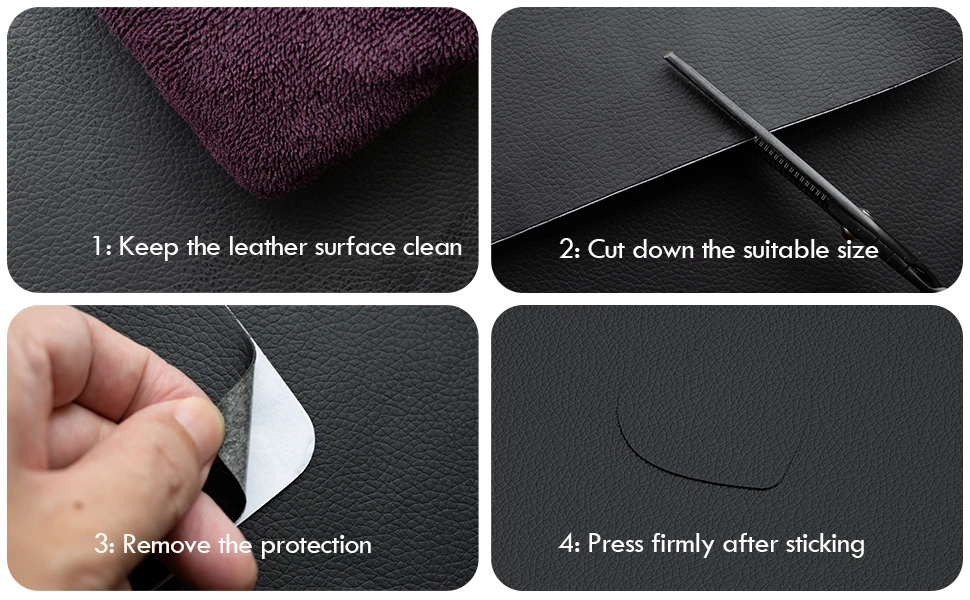
Before conditioning, always clean the surface with a damp cloth or a dedicated leather cleaner to remove dust and dirt. Applying conditioner over dirt will only seal the grime into the pores. If you neglect this routine, the material will weaken, and you might eventually need a [self-adhesive leather patch] to cover up deep, irreversible damage.
Protecting Leather from Direct Environmental Damage
Environmental factors are the silent killers of leather. Direct sunlight and heat sources accelerate the drying process, stripping away essential moisture rapidly.
- Avoid Heat: Never leave leather bags or jackets next to radiators, heaters, or in a hot car. This causes the fibers to shrink and snap.
- Store Properly: When not in use, store leather items in a cool, dry place away from direct sunlight.
- Handle Wetness Correctly: If leather gets wet, let it air dry naturally. Never use a hairdryer, as the intense heat will almost certainly lead to stiffness and cracking.
Choosing the Right Products for Your Leather Type
Using the wrong chemicals can do more harm than good. I always advise against using household cleaning sprays or baby wipes, as these often contain chemicals that break down the leather\’s finish. Instead, invest in high-quality, natural leather conditioners and cleaners designed specifically for your type of leather (e.g., vegetable-tanned vs. chrome-tanned).
By selecting the correct products, you ensure the leather remains flexible and durable, reducing the likelihood that you will need to research how to repair cracking leather in the future. Proper care keeps the fibers elastic and resilient against daily wear.
Frequently Asked Questions About Leather Repair
Can cracked leather be fully restored to its original state?
The honest answer is that leather is an organic material, and once the fibers break, they cannot technically \”heal\” like living skin. However, you can effectively **repair cracked leather** to a point where the damage is invisible. By using a specialized filler to bridge the gaps and a colorant to blend the surface, we can restore the structural integrity and aesthetic of the item. The goal is to mask the imperfection and prevent the crack from spreading further, rather than reversing time.
Does petroleum jelly or olive oil fix leather cracks?
While many people look for quick home remedies, and you might see guides on how to repair cat scratch on leather with olive oil, we generally recommend caution with household oils. Petroleum jelly and heavy oils can temporarily darken cracks, making them less visible, but they often sit on the surface rather than penetrating deeply to nourish the fibers. Over time, these substances can degrade the finish or leave greasy residues. For a lasting repair that respects the material, relying on a dedicated leather conditioner and proper filler is always the superior choice.
When should I hire a professional for leather restoration?
If you are dealing with minor to moderate surface cracking, the DIY method involving cleaning, sanding, and filling is highly effective. However, if the leather is torn all the way through, or if the item is a rare vintage piece with high sentimental value, seeking a professional is wise. For those confident in handling the restoration at home, ensuring you have the right equipment, such as a 23 set micter leather tools, allows you to perform the sanding and application steps with the precision required for a seamless finish.