
Discovering a leather couch rip is a nightmare for any homeowner, but here is the good news: you don\’t need to spend hundreds on professional leather restoration.
In this guide, you’re going to learn the exact step-by-step process to achieve an invisible leather repair that is durable enough for daily use. Whether you’re dealing with pet damage or a sharp key snag, I’ll show you how to use a leather sub patch and leather filler compound to make your sofa look brand new.
In fact, using a high-quality Micter leather repair patch can turn a complex fix into a simple, 15-minute task. If you want to save your furniture and your budget, this guide is for you.
Let’s dive right in.
Assess Your Leather Couch Rip
Before I dive into any repair, I always take a moment to evaluate the severity of the damage. Not every leather couch tear repair is handled the same way. A surface-level scratch requires a completely different approach than a structural hole that goes through the backing.
Damage Severity Checklist
| Damage Type | Description | Repair Method |
|---|---|---|
| Scratches | Light scuffs or pet marks on the surface. | Leather conditioner or recoloring balm. |
| Small Tears | Rips under 1 inch with no missing material. | Micter leather repair patch or adhesive. |
| Medium Rips | 1–3 inch gaps with fraying edges. | Sub-patch, filler, and color matching. |
| Large Holes | Significant material loss or structural damage. | Professional restoration or heavy-duty patching. |
Real Leather vs. Faux and Bonded Leather
I’ve found that the material of your sofa dictates how the repair holds up over time. Real leather is fibrous and absorbs dyes well, making it easier to blend.
Bonded and faux (PU) leather are essentially plastic coatings on a fabric base. These materials tend to peel. When I fix a rip in a leather sofa made of synthetic material, I focus on stabilizing the edges to prevent further peeling, often using a leather furniture patch for a more durable bond than liquid fillers alone.
When to DIY vs. Calling a Pro
Most leather couch rip repairs are perfectly manageable at home with the right DIY leather repair kit. If the damage is limited to the cushions or armrests and doesn’t involve a broken frame, I recommend doing it yourself to save hundreds of dollars.
- Go DIY if: The tear is under 3 inches, the leather isn\’t crumbling, and you want a cost-effective fix ($20–$60).
- Call a Pro if: The rip is on a major seam, the internal foam is exposed and damaged, or the piece is a high-value antique requiring a flawless, invisible finish ($150–$500+).
Essential Tools and Materials for Your Leather Couch Rip Repair
To successfully repair a leather couch rip, you need more than just a quick fix; you need the right professional-grade supplies. I’ve found that having a dedicated DIY leather repair kit on hand saves time and prevents the repair from peeling or cracking later.
The Must-Have Checklist
- Leather cleaner: To remove oils and dirt for a clean bond.
- Scissors: For trimming loose fibers and frayed edges.
- Sub-patch material: A sturdy backing fabric essential for the leather sub patch method.
- Flexible leather adhesive: To bond edges while keeping the leather pliable.
- Leather filler & palette knife: To fill the gap and level the surface of the torn leather seat.
- Color-matching dye & conditioner: To blend the repair and restore the leather\’s natural feel.
For those who want a complete professional setup, our 35-set leather craft tools provide all the specialized instruments needed to handle precision work on furniture.
Recommended Solution: Micter Leather Repair Patch Kit
If you want to skip the complexity of sourcing individual items, the Micter leather repair patch kit is my top recommendation. It is designed for easy application with a strong bond and exact color-matching options. This leather furniture patch solution is the most efficient way to make your leather as good as new with minimal effort.
Optional Pro Tools
- Heat gun or hairdryer: Speeds up the drying of the leather filler compound.
- Fine sandpaper: Used to smooth the filler before applying the color match leather dye.
- Plastic wrap: A clever trick to press a grain pattern into semi-dry filler for an invisible leather repair.
Using a comprehensive 23-set Micter leather tools kit ensures you also have the specialized needles and high-tensile threads if the rip is near a seam and requires structural reinforcement.
Essential Prep for Your Leather Couch Rip Repair
Before diving into how to repair a leather couch rip, you must prepare the surface correctly. Skipping this stage is the primary reason why DIY repairs fail or peel away prematurely. Proper preparation ensures that the bonding agents and fillers have a pristine surface to grip.
Clean, Trim, and Test
- Deep Clean the Area: Use a specialized leather cleaner or a very mild soap to strip away body oils, dust, and grime. A clean surface is crucial for ensuring that leather repair gel or adhesives bond permanently to the material.
- Trim Frayed Edges: Carefully use sharp scissors to remove any loose threads or jagged fibers around the damage. This creates a clean base, which prevents the rip from expanding and makes the final seam much smoother and less visible.
- The Hidden Spot Test: I always recommend testing your repair products—especially dyes and cleaners—on an inconspicuous area first, such as the underside of the frame. This confirms color compatibility and ensures the product won\’t cause an adverse reaction with your specific leather finish.
Taking these few minutes to prep will make the difference between a messy patch and a professional-grade leather couch rip repair.
Step-by-Step Leather Couch Rip Repair Process
When you\’re dealing with a leather couch rip repair, following a precise order is the difference between a messy fix and a professional-grade result. I’ve refined this process to ensure your leather furniture patch stays flexible and looks natural.
1. Insert a Sub-Patch for Support
For any leather couch tear repair wider than an inch, structural integrity is key. I use the leather sub patch method by sliding a piece of backing fabric into the rip. This creates a solid foundation so the repair doesn\’t sag or pull apart under weight.
2. Bond the Edges and Secure
Apply a flexible leather adhesive glue to the underside of the leather and press it firmly onto the sub-patch. Ensure the edges of the rip meet perfectly without overlapping. I recommend using a small weight to keep the area flat and secure while the glue cures.
3. Level the Surface with Filler
Once the base is stable, apply a leather filler compound in thin, even layers. Use a palette knife to smooth the surface until it is flush with the surrounding leather. It’s better to apply two thin coats than one thick one to prevent cracking.
4. Recreate Grain and Match Color
To achieve a truly invisible leather repair, you need to mimic the original texture. While the filler is semi-dry, you can use a leather couch patch kit to press a grain pattern into the surface. After it dries, apply a color match leather dye in light, dabbing motions to blend the repair into the rest of the cushion.
5. Cure and Protection
Allow the repair to cure fully for at least 24 hours. The final step is to apply a high-quality leather conditioner after repair. This restores the natural oils to the hide, ensuring the repaired area remains soft and doesn\’t become brittle over time.
| Step | Action | Tool Needed |
|---|---|---|
| Foundation | Insert Sub-patch | Backing fabric |
| Bonding | Glue edges | Flexible leather adhesive |
| Leveling | Fill the gap | Leather filler compound |
| Blending | Dye and texture | Color-matched dye |
| Finishing | Condition | Leather conditioner |
Quick Fix with a Leather Couch Tear Repair Patch
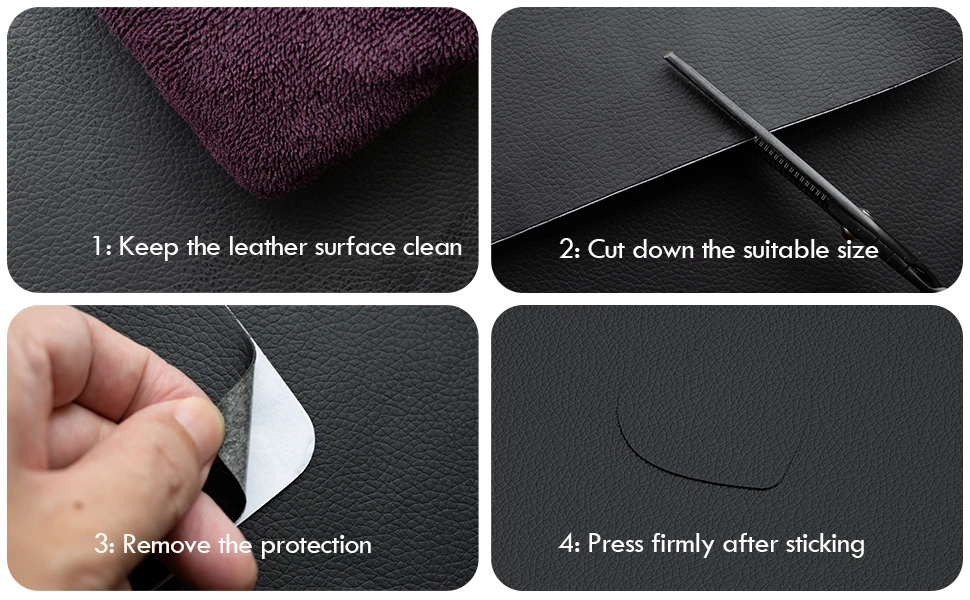
For those who aren\’t looking for a multi-step project, our Micter self-adhesive leather patch is the fastest way to fix a rip in leather sofa seats or arms. This is a \”peel-and-stick\” solution that removes the need for messy liquid glues or fillers.
Why Use a Self-Adhesive Patch?
- Zero Mess: No liquid adhesives or dyes to spill on your floor.
- Speed: You can complete the leather couch rip repair in under two minutes.
- Durability: The industrial-strength backing ensures the patch stays flat even with daily use.
Best Scenarios and Longevity
The Micter leather repair patch is ideal for small to medium tears where the leather isn\’t under extreme tension. While a full restoration kit is great for invisible finishes, the patch is the ultimate DIY leather repair kit alternative for high-traffic areas.
- Best for: Small puncture marks, cat scratches, and straight-line tears.
- Lifespan: When applied to a clean, oil-free surface, these patches are designed to last for years, resisting peeling at the edges and maintaining their texture.
- Result: A simple patch and the leather is as good as new, preventing the tear from spreading further across the cushion.
Common Mistakes When Fixing a Leather Couch Rip
I’ve seen many DIY projects fail because of a few avoidable errors. If you want a lasting leather couch rip repair, steer clear of these common pitfalls:
- Using Standard Super Glue: Never use household super glue. It dries hard and brittle, which eventually causes the leather to crack and peel around the fix. Always use a specialized leather adhesive glue designed to remain flexible under pressure.
- Skipping the Sub-Patch: For any tear larger than an inch, skipping the backing material is a recipe for failure. Without a sub-patch, the repair lacks the structural integrity to hold up when someone sits on the cushion.
- Rushing the Process: I can\’t stress this enough—patience is mandatory. Whether you are applying filler or using a self-adhesive leather repair patch, rushing the drying time or the color blending leads to a messy, obvious finish.
- Ignoring Leather Type Compatibility: Treating bonded leather the same as top-grain leather can lead to further peeling. Understanding your material is just as vital as knowing how to repair a cracked leather car seat or a living room sofa.
- Applying Thick Layers: Putting on too much leather filler compound at once prevents it from curing correctly. Use multiple thin coats to build up the surface for a seamless look.
DIY vs. Professional Leather Couch Rip Repair
When you\’re looking at how to repair a leather couch rip, the choice between doing it yourself or hiring a pro usually depends on your budget and the scale of the damage. For most household wear and tear, a DIY approach isn\’t just cheaper—it\’s often just as effective when using the right tools.
Cost and Results Comparison
| Feature | DIY Repair Kit | Professional Restoration |
|---|---|---|
| Estimated Cost | $20 – $60 | $150 – $500+ |
| Time Investment | 1 – 3 hours | 2 – 5 days |
| Skill Required | Beginner | Specialist |
| Longevity | Excellent (with sub-patch) | Permanent |
The Long-Term Value of Home Repair
I always recommend tackling the leather couch rip repair as soon as you spot it. Letting a tear sit leads to \”edge curl,\” making a seamless finish harder to achieve later. By using a DIY leather repair kit, you save hundreds in labor and travel fees charged by upholstery shops.
If the damage is located along a seam or requires structural stitching, using a professional leather sewing tool kit ensures the repair holds under the weight of daily use. While the professional leather restoration cost can be eye-watering, a quality home repair provides a durable, near-invisible result that keeps your furniture in service for years.
- DIY Value: You gain the tools and knowledge for future maintenance.
- Professional Value: Best for antique heirlooms or total sofa reupholstery.
- Efficiency: Most leather furniture patches and fillers cure within hours, whereas pros often have weeks of backlog.
How to Avoid Future Leather Couch Rip Repair
The most effective way to manage furniture damage is to prevent it entirely. Maintaining the integrity of the hide ensures you won\’t have to repair a leather couch rip prematurely.
Regular Maintenance and Conditioning
Leather is a natural material that requires moisture to stay flexible. I recommend applying a high-quality leather conditioner after repair every six months. This routine keeps the surface supple and prevents the fibers from drying out, which is the leading cause of cracking and tearing.
Environmental Protection
- Avoid Direct Sunlight: UV rays bleach the pigment and evaporate the natural oils in the leather. Position your sofa away from windows or use UV-filtering blinds.
- Heat Source Distance: Never place your couch directly against a radiator or fireplace. Constant heat exposure makes the material brittle and prone to splitting under pressure.
Smart Daily Habits
Small changes in usage can prevent a costly leather couch rip repair later:
- Check Pockets: Always remove keys, pens, or sharp tools from your pockets before sitting down.
- Use Protective Barriers: Use decorative throws or arm covers in high-traffic areas to reduce friction and protect against body oils. If you notice early signs of wear, review our expert guide on how to repair a leather couch to address small issues before they expand.
Pet Training and Claw Maintenance
To minimize pet damage leather couch risks, keep your pets\’ claws trimmed and filed regularly. If your pets are allowed on the furniture, train them to use a specific protective mat or heavy blanket to provide a puncture-proof barrier between their claws and the leather surface.
FAQ: Solving Common Leather Couch Rip Repair Challenges
Navigating a leather couch rip repair can bring up a few technical questions. I’ve compiled the most common concerns to help you get the best results from your DIY project.
Can I repair faux or bonded leather the same way?
Yes, you can use similar techniques for a faux leather couch fix. However, bonded leather is prone to peeling. When working on these synthetic materials, I recommend using a very flexible adhesive and avoiding heavy sanding, as the top layer is much thinner than genuine hide.
How long does a leather patch repair last?
When you use a high-quality leather furniture patch and a proper sub-patch for structural support, the repair can last for several years of daily use. The key is the bond; if the adhesive remains flexible, it will move with the sofa rather than cracking under pressure. For insights on durability in high-wear areas, you can see how these techniques apply to car seat leather crack repair to understand the strength of the bond.
Will the repair be completely invisible?
While a truly invisible leather repair is the goal, \”near-invisible\” is a more realistic expectation for a home fix. Most repairs are completely unnoticeable to the casual observer. Your success depends on how well you level the leather filler compound and recreate the grain texture.
What if I can\’t match the color exactly?
Matching the shade is often the hardest part of learning how to repair a rip in leather couch. I suggest starting with a base color and building it up in thin layers. If the match is slightly off, using leather dye marker pens is an excellent way to fine-tune the edges and blend the repair seamlessly into the surrounding material.
Is heat needed for the repair to cure properly?
For most modern air-dry fillers and adhesives found in a DIY leather repair kit, heat isn\’t strictly necessary. However, using a hair dryer on a low setting can speed up the drying time between layers. Just be careful not to overheat the leather, as extreme heat can cause the material to shrink or harden.